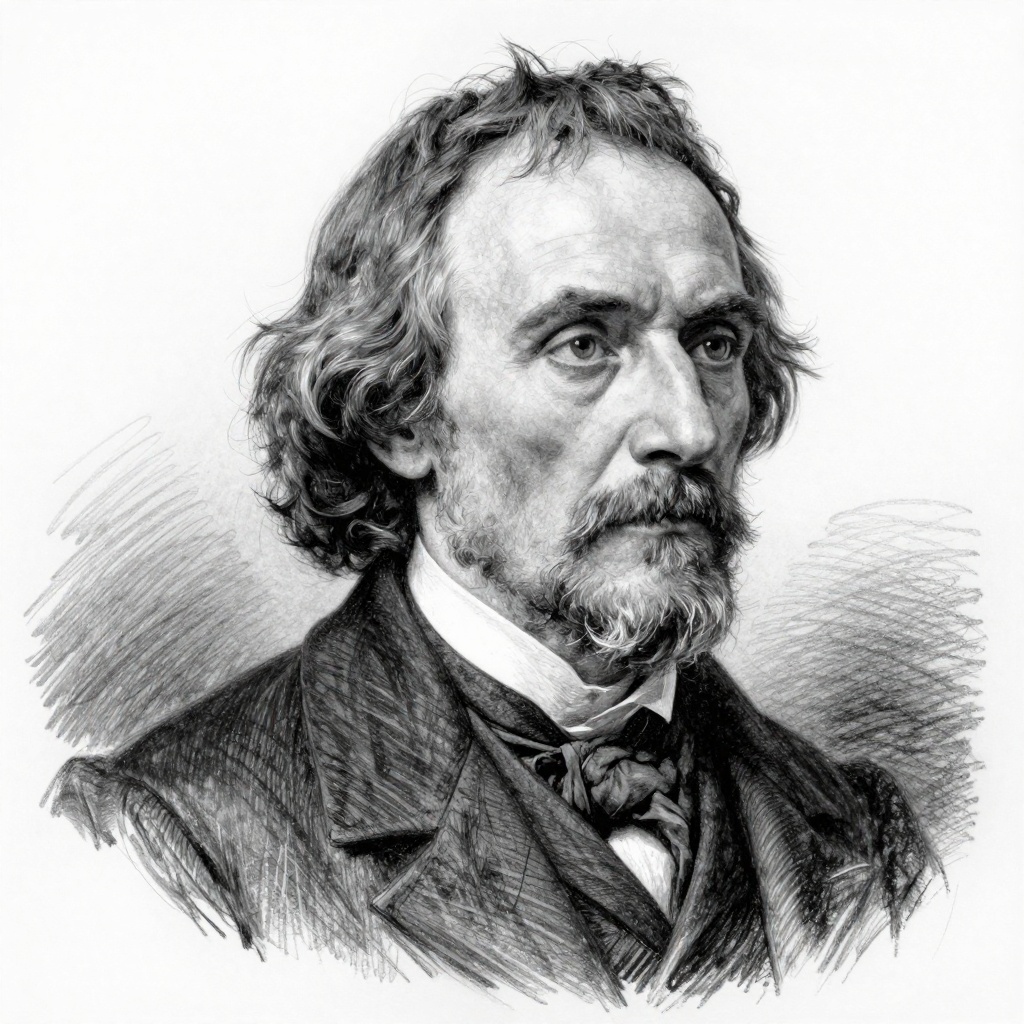
An early morning walk is a blessing for the whole day. — Henry David Thoreau

An early morning walk is a blessing for the whole day.

Author: Henry David Thoreau

Insight: There's something almost magical about how a quiet morning walk can reshape everything that follows. You step outside before the world gets loud, before your phone starts pinging, before the day's obligations pile up. Your mind isn't yet tangled in problems. Your body wakes up gradually instead of jolting awake to an alarm. That calm actually lingers—it becomes a kind of ballast that steadies you through traffic, meetings, frustrations. What's interesting is that Thoreau wasn't being poetic about this for no reason. An early walk genuinely changes your physiology. You get natural light that regulates your circadian rhythm and mood. Movement oxygenates your brain. The quiet allows your mind to actually process things instead of just react to them. You're more patient, more creative, less reactive when problems arrive later. It's not that the walk solves anything; it's that you meet the day from a different internal place. The blessing isn't really about the walk itself—it's about reclaiming a margin of time that's yours before everyone else claims it. In a world designed to fill every moment, starting your day in silence and motion feels almost like an act of resistance, a way of saying your morning belongs to you first. That kind of intentionality tends to ripple outward.

Source: Journal, 20 April 1840

An early morning walk is a blessing for the whole day.

Henry David ThoreauJournal, 20 April 1840

How morning stillness steadies your day

There's something almost magical about how a quiet morning walk can reshape everything that follows. You step outside before the world gets loud, before your phone starts pinging, before the day's obligations pile up. Your mind isn't yet tangled in problems. Your body wakes up gradually instead of jolting awake to an alarm. That calm actually lingers—it becomes a kind of ballast that steadies you through traffic, meetings, frustrations.

What's interesting is that Thoreau wasn't being poetic about this for no reason. An early walk genuinely changes your physiology. You get natural light that regulates your circadian rhythm and mood. Movement oxygenates your brain. The quiet allows your mind to actually process things instead of just react to them. You're more patient, more creative, less reactive when problems arrive later. It's not that the walk solves anything; it's that you meet the day from a different internal place.

The blessing isn't really about the walk itself—it's about reclaiming a margin of time that's yours before everyone else claims it. In a world designed to fill every moment, starting your day in silence and motion feels almost like an act of resistance, a way of saying your morning belongs to you first. That kind of intentionality tends to ripple outward.

Comments

Sign in to leave a comment or reply to one.

Sign in

Henry David Thoreau

Henry David Thoreau was an American essayist, poet, and philosopher, known for his transcendentalist writings advocating for individualism, nature appreciation, and civil disobedience. He is best known for his book "Walden, or Life in the Woods," which reflects on simple living in natural surroundings and has inspired generations of environmentalists and activists.

Graph

Related