Quote · Added 17 April 2026
Reading
AI generatedWhen Debt Becomes an Investment
There's a counterintuitive truth hiding in Hamilton's observation: some debt can actually be healthy. We've internalized the idea that debt is always bad, that responsible people and nations should owe nothing. But Hamilton understood something we still struggle with—that the ability to borrow money, when done wisely, is a sign of strength and creditworthiness, not weakness.
Think about it like a business that takes a loan to expand, or a person borrowing to buy a house that will appreciate. The debt itself isn't the problem; it's what you do with it. A government that borrows to build infrastructure, invest in education, or weather a crisis is using debt as a tool. The danger only arrives when borrowing spirals into spending that generates nothing of value in return, or when interest payments start consuming resources meant for actual growth.
Today, we're stuck in polarized debates where one side treats all government spending as reckless and the other treats all debt as manageable. Hamilton's framing suggests the real question isn't whether to borrow, but whether the borrowing is buying something that makes the nation stronger. It's a reminder that maturity—personal or national—often means knowing when debt is actually an investment, not a failure.
The author
All 5 quotes by Alexander Hamilton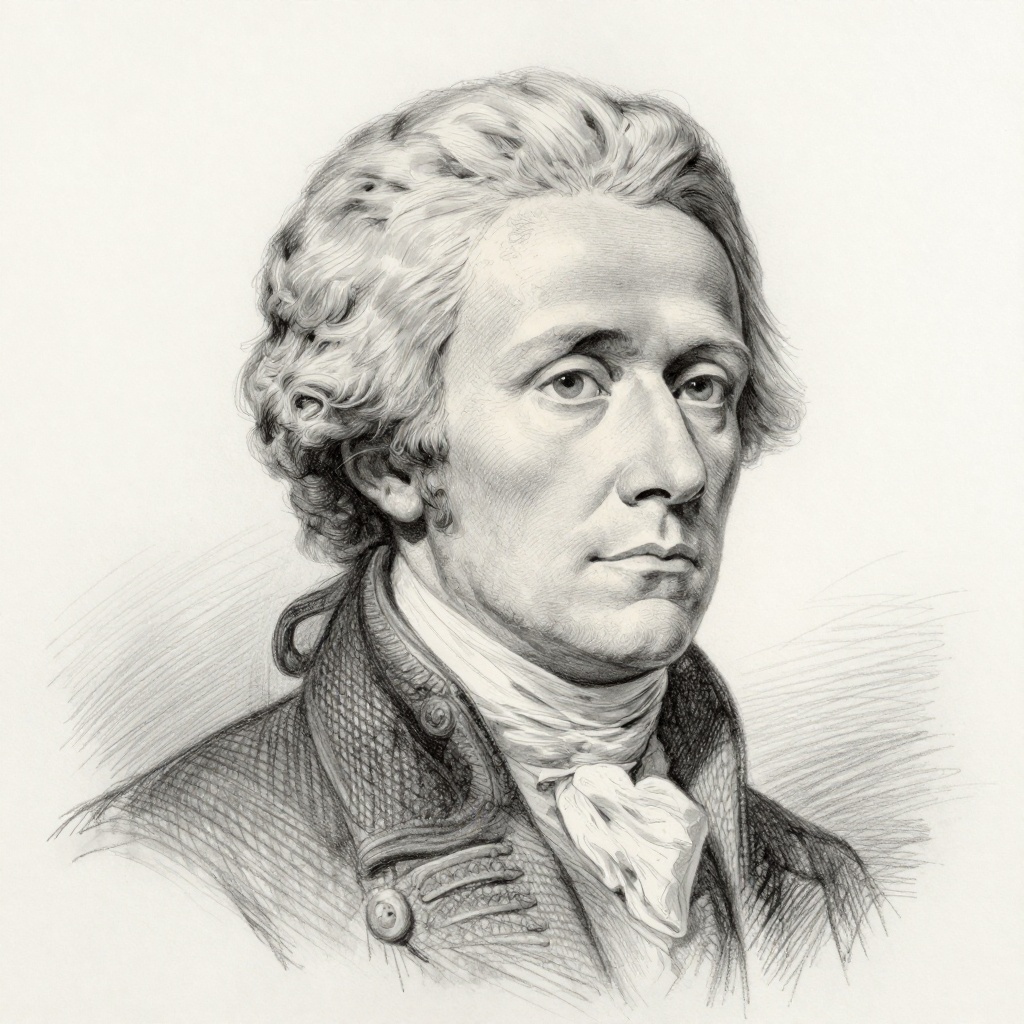
Alexander Hamilton
1755–1804·lived 49 years
Alexander Hamilton (1755-1804) was an American statesman, political theorist, and one of the Founding Fathers of the United States. He served as the first Secretary of the Treasury and was a key architect of the American financial system, advocating for a strong central government and the establishment of a national bank. Hamilton is also known for his influential contributions to The Federalist Papers, which argued for the ratification of the U.S. Constitution.
Also by Alexander Hamilton
Nobody expects to trust his body overmuch after the age of fifty.
Comments