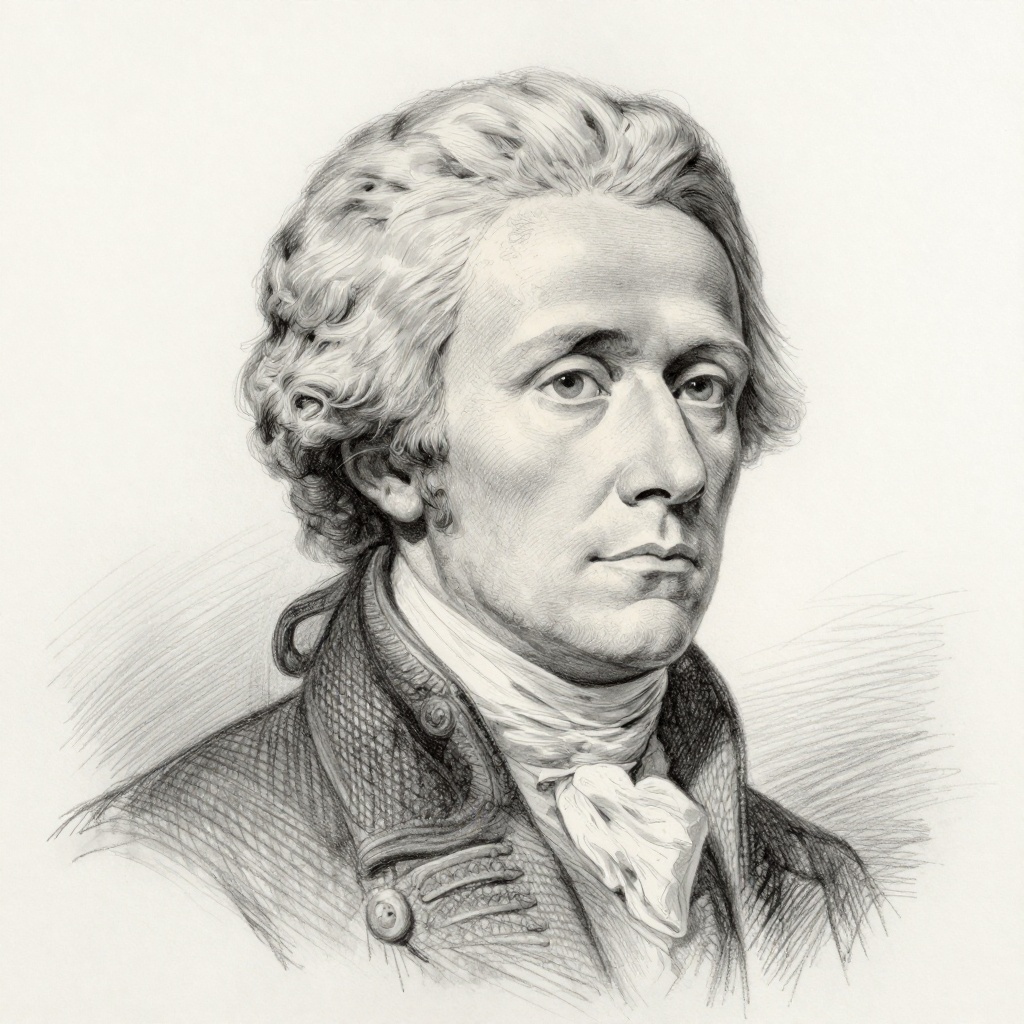
Let us recollect that peace or war will not always be left to our option; that however moderate or unambitious... — Alexander Hamilton

Let us recollect that peace or war will not always be left to our option; that however moderate or unambitious we may be, we cannot count upon the moderation, or hope to extinguish the ambition of others.

Author: Alexander Hamilton

Insight: We like to think that if we just keep our heads down and mind our own business, the world will return the favor. Hamilton's warning cuts against that comfortable assumption. You can be the most reasonable person in the room, the one who compromises and listens and genuinely doesn't want conflict—but that doesn't guarantee others will play by the same rules. Sometimes circumstances, or other people's choices, force your hand anyway. This plays out constantly in modern life, not just in geopolitics. A coworker decides to make you their target. A neighbor escalates a property dispute you never wanted. A family member keeps pushing boundaries even after you've set them clearly. You can't actually negotiate your way out of every situation just by being the rational one. Sometimes the world's ambitions and aggressions don't care about your moderation. The tricky insight here is that recognizing this isn't cynical—it's actually freeing. Once you accept that you can't always control whether conflict finds you, you stop wasting energy trying to be the perfect peacekeeper. Instead, you can focus on being prepared, setting boundaries early, and knowing when to stop appeasing. Peace is wonderful when it's mutual. But it takes two.

Source: Federalist No. 6, 1787

Let us recollect that peace or war will not always be left to our option; that however moderate or unambitious we may be, we cannot count upon the moderation, or hope to extinguish the ambition of others.

Alexander HamiltonFederalist No. 6, 1787

Your reasonableness won't stop others

We like to think that if we just keep our heads down and mind our own business, the world will return the favor. Hamilton's warning cuts against that comfortable assumption. You can be the most reasonable person in the room, the one who compromises and listens and genuinely doesn't want conflict—but that doesn't guarantee others will play by the same rules. Sometimes circumstances, or other people's choices, force your hand anyway.

This plays out constantly in modern life, not just in geopolitics. A coworker decides to make you their target. A neighbor escalates a property dispute you never wanted. A family member keeps pushing boundaries even after you've set them clearly. You can't actually negotiate your way out of every situation just by being the rational one. Sometimes the world's ambitions and aggressions don't care about your moderation.

The tricky insight here is that recognizing this isn't cynical—it's actually freeing. Once you accept that you can't always control whether conflict finds you, you stop wasting energy trying to be the perfect peacekeeper. Instead, you can focus on being prepared, setting boundaries early, and knowing when to stop appeasing. Peace is wonderful when it's mutual. But it takes two.

Comments

Sign in to leave a comment or reply to one.

Sign in

Alexander Hamilton

Alexander Hamilton (1755-1804) was an American statesman, political theorist, and one of the Founding Fathers of the United States. He served as the first Secretary of the Treasury and was a key architect of the American financial system, advocating for a strong central government and the establishment of a national bank. Hamilton is also known for his influential contributions to The Federalist Papers, which argued for the ratification of the U.S. Constitution.

Graph

Related