Quote · Added 15 February 2026
Reading
AI generatedYour body demands negotiation now
There's a particular moment most of us hit—sometime in our forties or fifties—where we realize our body has shifted from something we mostly take for granted into something that requires negotiation. A workout that felt refreshing at thirty now requires actual recovery time. You sleep weird and your shoulder complains for three days. It's not dramatic illness; it's just the gradual revocation of that unspoken contract we had with our younger selves.
What's interesting is that Hamilton's observation isn't really pessimistic—it's almost practical, even liberating. Once you stop expecting your body to be a reliable machine that does exactly what you ask without consequence, you can actually make smarter decisions. You stop pushing through pain as a badge of honor. You start listening instead of ignoring. Some of our worst health choices come from that stubborn middle-aged person who thinks they can still operate on the same terms as their twenty-five-year-old self.
The deeper insight isn't about decline though. It's about shifting from blind trust to informed partnership. Your body becomes less a thing you command and more something you collaborate with, negotiate with, respect more carefully. That might sound like loss, but it often produces better judgment than we had before—fewer injuries born from denial, more genuine self-knowledge.
The author
All 5 quotes by Alexander Hamilton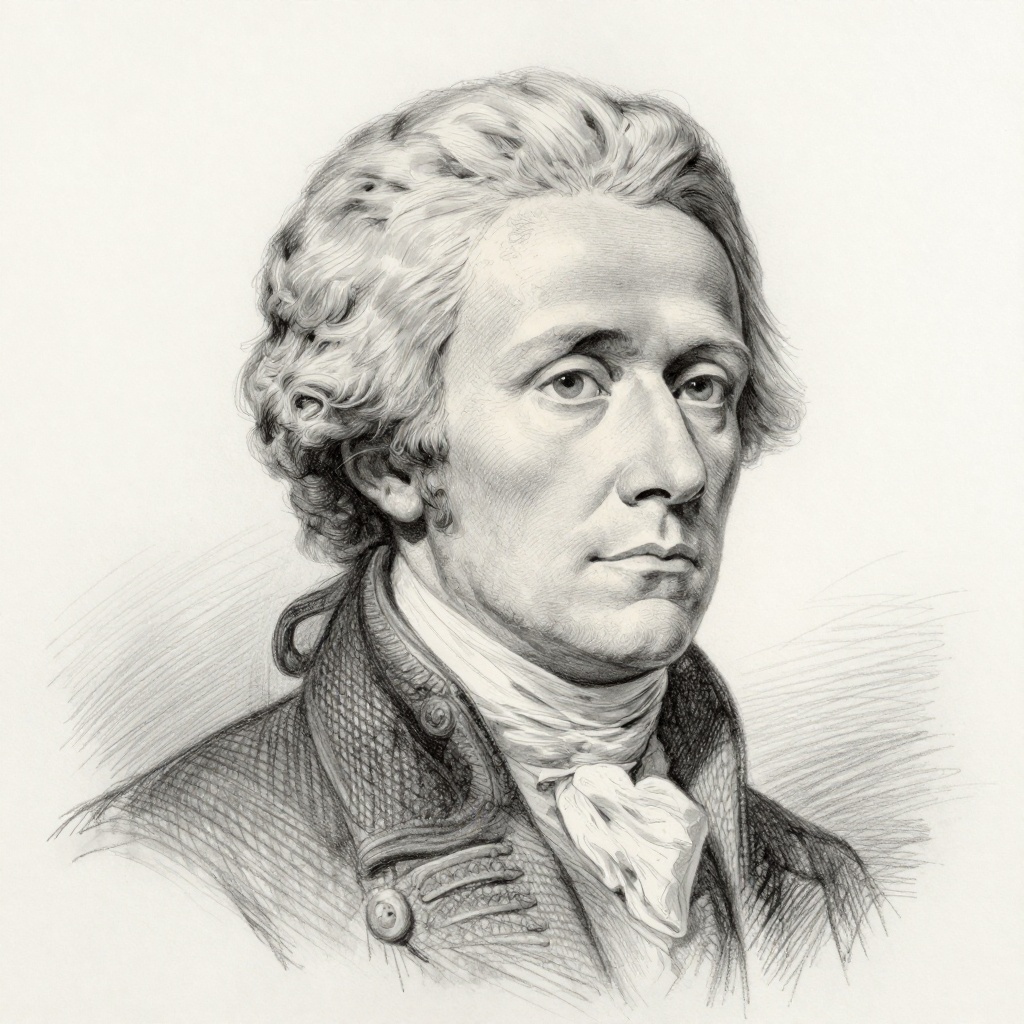
Alexander Hamilton
1755–1804·lived 49 years
Alexander Hamilton (1755-1804) was an American statesman, political theorist, and one of the Founding Fathers of the United States. He served as the first Secretary of the Treasury and was a key architect of the American financial system, advocating for a strong central government and the establishment of a national bank. Hamilton is also known for his influential contributions to The Federalist Papers, which argued for the ratification of the U.S. Constitution.
Also by Alexander Hamilton
A national debt, if it is not excessive, will be to us a national blessing.
Comments