Quote · Added 14 February 2026
Discipline is the soul of an army. It makes small numbers formidable; procures success to the weak, and esteem to all.
George WashingtonGeneral Orders, 1782
Filed underdiscipline·strength·success
Quote · Added 14 February 2026
Filed underdiscipline·strength·success
We tend to think of discipline as something grim—punishment, restriction, grinding through things we hate. But Washington's observation points to something quieter and more useful: discipline is what turns scattered effort into real power. A small, coordinated team that shows up consistently and follows through will outmatch a larger group of talented people working in different directions. It's why a startup with clear processes can outrun a bloated corporation, or why someone with modest abilities but rock-solid habits eventually leaves behind those with more natural talent but no system.
The striking part is that last phrase: discipline brings esteem. We respect people who do what they say they'll do. There's something almost magnetic about someone who's genuinely reliable—not perfect, but consistent. They don't need to announce their discipline or apologize for their methods. That quiet follow-through itself becomes a form of strength that makes people want to be around them, trust them, work with them.
The real insight is that discipline isn't about willpower or suffering. It's about leverage. It's the force multiplier that makes your effort count. Without it, talent and opportunity scatter like water. With it, even modest resources become formidable.
1732–1799·lived 67 years
George Washington was an American military leader and statesman who served as the first President of the United States from 1789 to 1797. He is best known for his pivotal role in the American Revolutionary War as the commander-in-chief of the Continental Army and for presiding over the Constitutional Convention of 1787, which created the U.S. Constitution. Washington is often referred to as the "Father of His Country" for his leadership in the founding of the nation.
Also by George Washington
Let your heart feel for the afflictions and distress of everyone, and let your hand give i...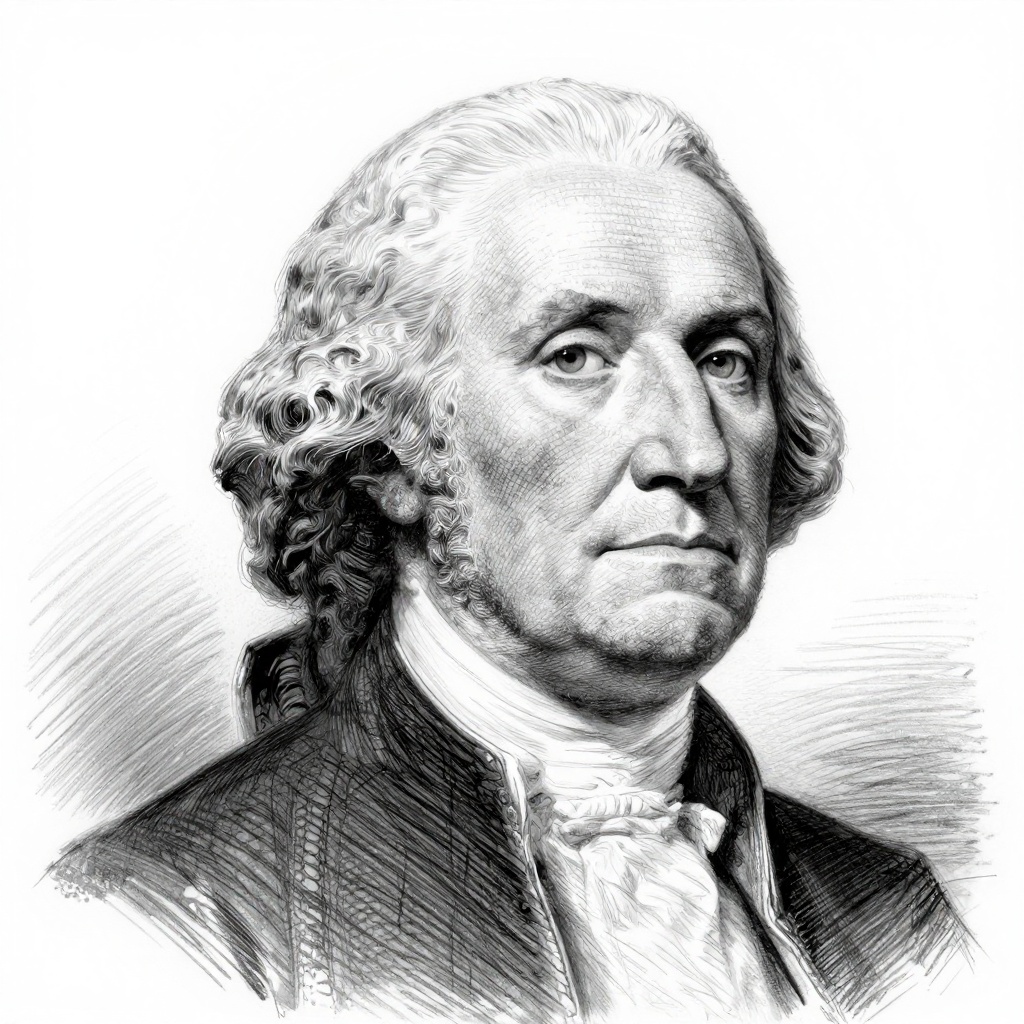
Comments