Quote · Added 28 February 2026
Let your heart feel for the afflictions and distress of everyone, and let your hand give in proportion to your purse.
Filed underheart·compassion·generosity
Quote · Added 28 February 2026
Filed underheart·compassion·generosity
Most of us want to help, but we get tangled up in guilt about not doing enough. Washington's advice cuts through that by separating two things we often confuse: feeling compassion and actually giving. You can have a full heart for someone's suffering without bankrupting yourself. That's not coldness—it's honesty about how change actually works.
The practical wisdom here is that sustainable help requires knowing your own limits. If you give beyond what you can reasonably afford, you become resentful, or worse, you can't help the next person who needs you. The person who gives consistently within their means often does more good over a lifetime than the person who makes one grand gesture and burns out. It's less romantic than total sacrifice, but it's how real communities actually function.
There's also something refreshing about the permission this gives us. We live in an age of infinite information about suffering everywhere, and the pressure to care equally about everything can paralyze us into doing nothing. Washington's suggestion is that proportional giving—whether that's money, time, or attention—is not just acceptable, it's wise. Start where you are, with what you have. That's enough.
1732–1799·lived 67 years
George Washington was an American military leader and statesman who served as the first President of the United States from 1789 to 1797. He is best known for his pivotal role in the American Revolutionary War as the commander-in-chief of the Continental Army and for presiding over the Constitutional Convention of 1787, which created the U.S. Constitution. Washington is often referred to as the "Father of His Country" for his leadership in the founding of the nation.
Also by George Washington
It is better to be alone than in bad company.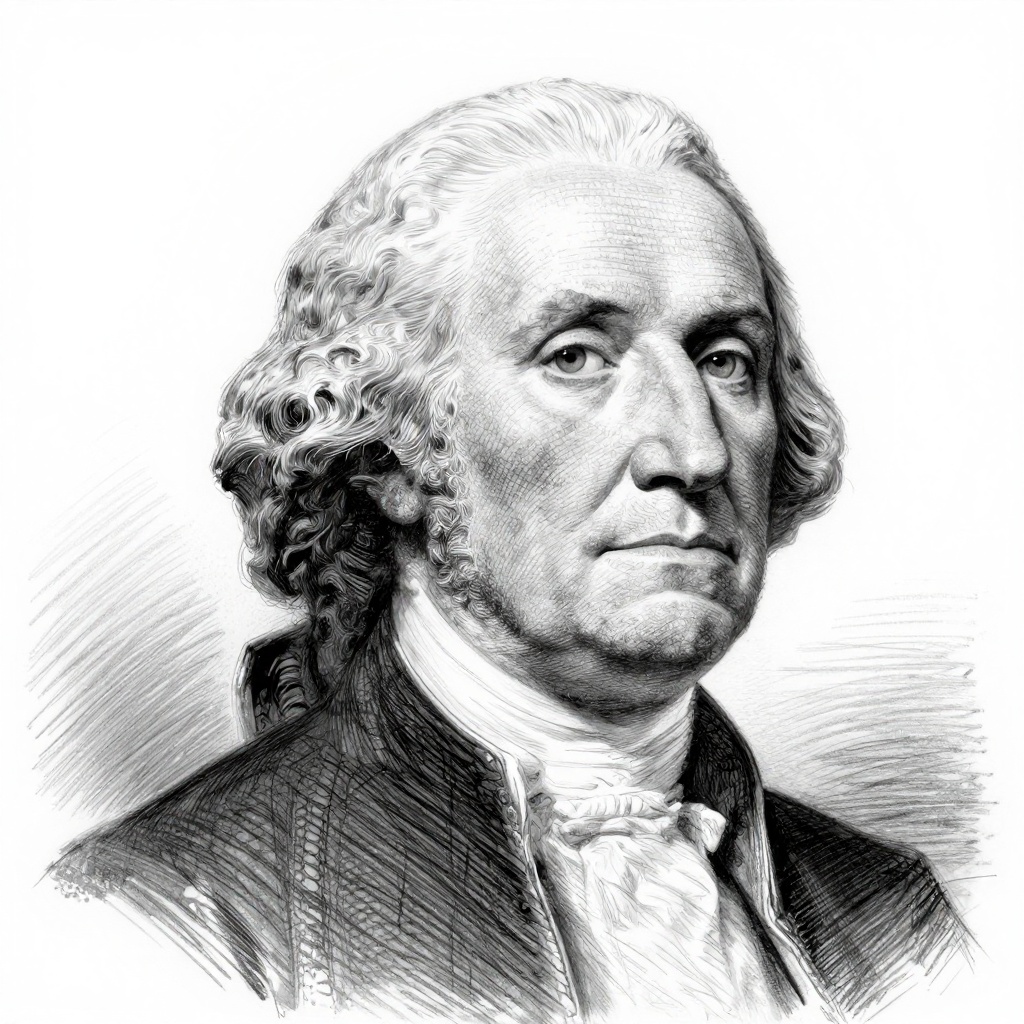
Comments