Quote · Added 14 February 2026
We should not look back unless it is to derive useful lessons from past errors, and for the purpose of profiting by dearly bought experience.
Filed underpast·learning·experience
Quote · Added 14 February 2026
Filed underpast·learning·experience
Most of us live caught between two bad extremes. We either obsess over past mistakes, replaying them endlessly like a song we can't turn off, or we swing hard the other way and pretend they never happened. Washington is suggesting something more practical: look back with a specific job in mind. The point isn't emotional processing or self-flagellation. It's forensics. What went wrong, and what exactly can you do differently next time?
The tricky part is that "useful lessons" doesn't mean what we usually think. We're trained to believe that suffering teaches automatically, that if something hurt badly enough, we should have learned from it. But plenty of people repeat the same mistakes for years. What actually matters is the deliberate pause—stopping to ask yourself what specifically you'd do differently now. That's the difference between regret that stings and wisdom that sticks.
There's also something quietly radical here: the idea that you should look back sometimes. In a culture obsessed with moving forward and "leaving the past behind," Washington is defending reflection as practical, not self-indulgent. Your mistakes are paid for already. The question is whether you're going to collect the payment.
1732–1799·lived 67 years
George Washington was an American military leader and statesman who served as the first President of the United States from 1789 to 1797. He is best known for his pivotal role in the American Revolutionary War as the commander-in-chief of the Continental Army and for presiding over the Constitutional Convention of 1787, which created the U.S. Constitution. Washington is often referred to as the "Father of His Country" for his leadership in the founding of the nation.
Also by George Washington
Let your heart feel for the afflictions and distress of everyone, and let your hand give i...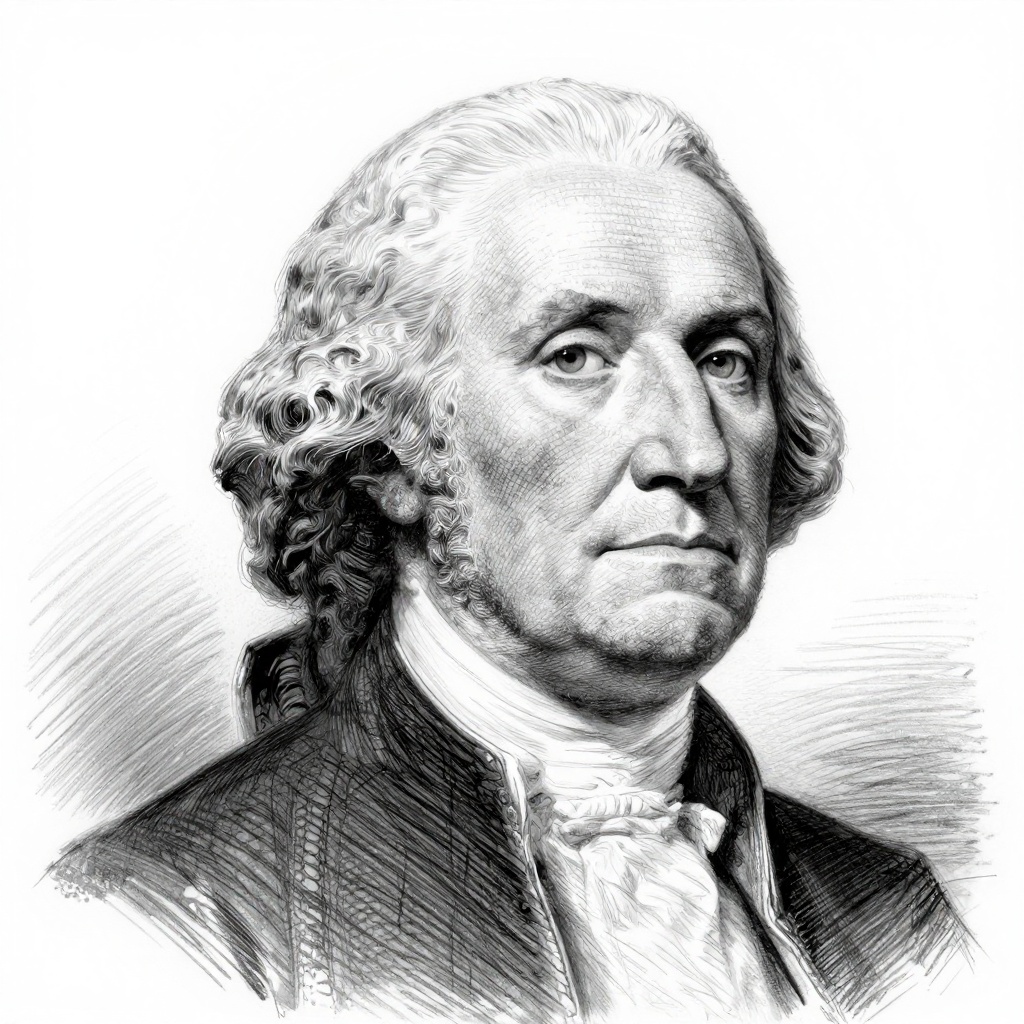
Comments