Quote · Added 15 February 2026
The Constitution is the guide which I never will abandon.
Filed underconstitution·commitment·guidance
Quote · Added 15 February 2026
Filed underconstitution·commitment·guidance
We often think of the Constitution as a dusty legal document, something lawyers and judges argue about. But Washington saw it differently—as a compass for daily decisions, not just a courtroom reference. When he promised never to abandon it, he meant something genuinely radical: that power itself should answer to something written down and agreed upon, not to whoever held the office.
That tension still defines us. Every president since has faced the same choice Washington described: stick to the framework even when it's inconvenient, or bend it when circumstances feel urgent enough. The remarkable part isn't that Washington said this—it's how often modern leaders have found reasons to disagree with him. We've built emergency powers, national security exceptions, and interpretations so creative they'd surprise the founders. Sometimes those moves were necessary. But each one tests whether the Constitution is truly a guide we follow, or just a suggestion we return to when it's politically convenient.
What makes his words stick is that they assume self-restraint is possible, even when nobody's watching. That's a quieter kind of courage than most people expect from power.
1732–1799·lived 67 years
George Washington was an American military leader and statesman who served as the first President of the United States from 1789 to 1797. He is best known for his pivotal role in the American Revolutionary War as the commander-in-chief of the Continental Army and for presiding over the Constitutional Convention of 1787, which created the U.S. Constitution. Washington is often referred to as the "Father of His Country" for his leadership in the founding of the nation.
Also by George Washington
Let your heart feel for the afflictions and distress of everyone, and let your hand give i...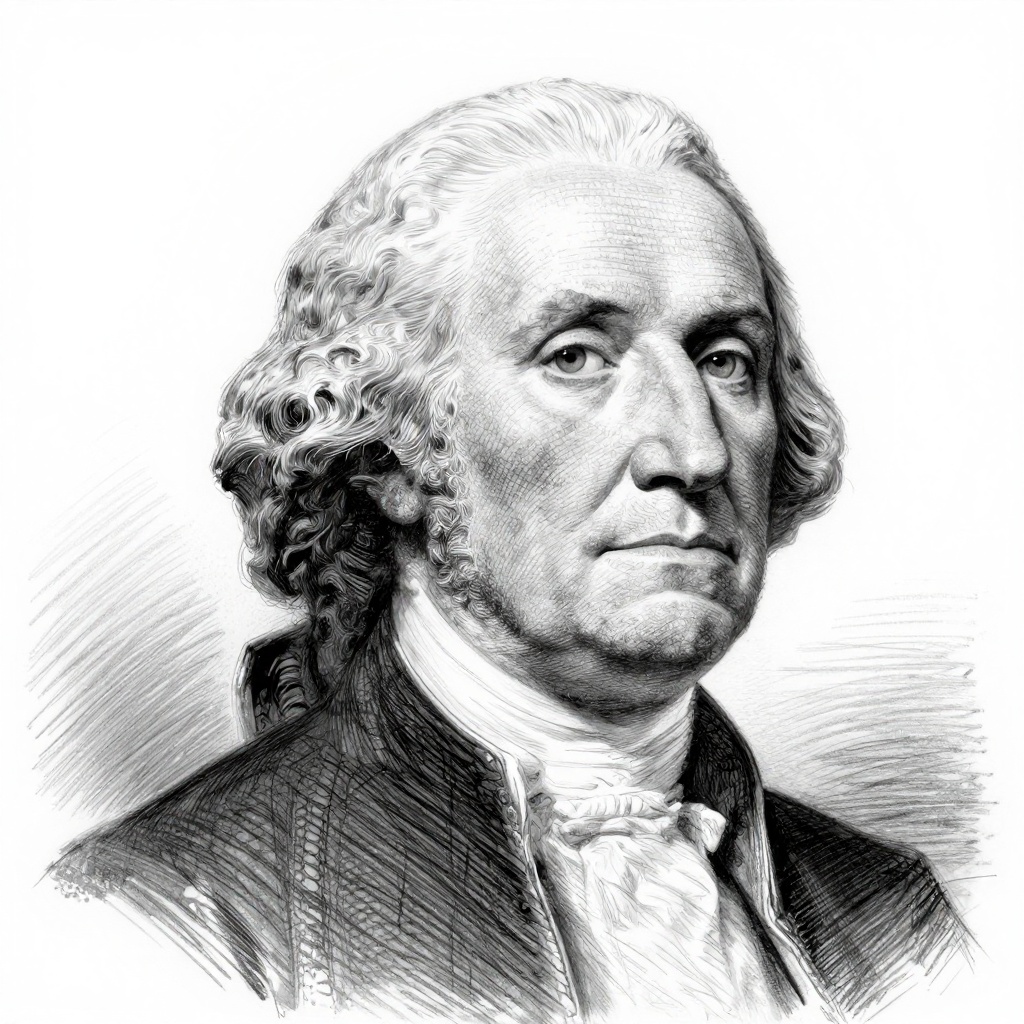
Comments