Quote · Added 4 October 2023
Your worst sin is that you have destroyed and betrayed yourself for nothing.
Fyodor DostoevskyCrime and Punishment, 1866
No ratings yet
Quote · Added 4 October 2023
We often think of betrayal as something that happens to us—someone breaks a promise, lets us down, walks away. But Dostoevsky points at something more unsettling: the ways we betray ourselves. Not for a grand reason or even a bad one, but for nothing at all. For comfort. For fitting in. For avoiding a difficult conversation. For scrolling instead of creating.
The real sting of this quote is recognizing that moment when you've compromised something you actually care about, and you can't even point to what you got in return. You took the safer job instead of trying the thing you wanted. You stayed quiet when you should have spoken. You abandoned a dream not because something better came along, but because it felt too hard on a Tuesday. That's the betrayal—not the sacrifice itself, which can be meaningful, but sacrificing to nothing, for no reason you can defend even to yourself.
What makes this worth sitting with is that it's never too late to stop. The sin, as Dostoevsky frames it, isn't in the mistake—it's in the continued erasure of yourself after you've already noticed it happening. The question isn't about your past compromises. It's whether you're still doing it today.
1821–1881·lived 59 years
Fyodor Dostoevsky (1821–1881) was a renowned Russian writer known for his groundbreaking novels exploring psychological complexities and existential themes. His works, such as "Crime and Punishment" and "The Brothers Karamazov," have had a profound influence on literature, philosophy, and psychology, making him one of the greatest novelists in history.
Also by Fyodor Dostoevsky
Most people don't have original opinions. They just repeat what they heard from someone lo...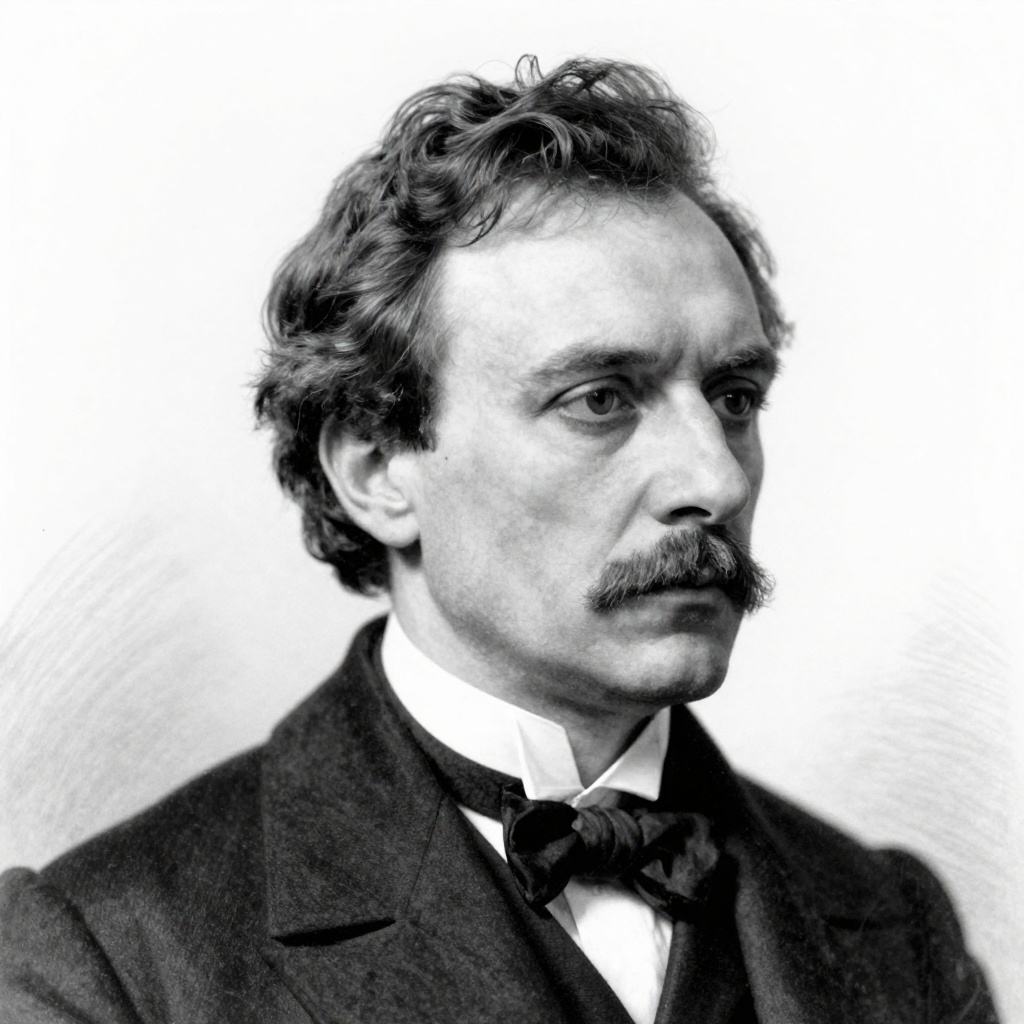
Comments