Quote · Added 17 June 2026
Most people don't have original opinions. They just repeat what they heard from someone louder, richer, or more popular.
No ratings yet
Filed underopinions·conformity·influence
Quote · Added 17 June 2026
Filed underopinions·conformity·influence
We live in an era that celebrates "having takes," yet most of us arrive at our positions through a surprisingly narrow funnel. We inherit beliefs from the media we consume, the people we follow, the circles we move in. It feels like thinking, but it's often just echo chambers with better Wi-Fi. The part that stings is recognizing this in ourselves—noticing the moment we're defending an opinion we've never actually tested against our own experience.
What makes this observation still cutting is that the louder, richer, and more popular voices have only multiplied. They're not just on TV or in boardrooms anymore; they're algorithmically amplified into our pockets. It takes real friction to think differently, and friction is expensive. You have to seek out uncomfortable ideas, sit with confusion, maybe even look foolish while you're figuring something out.
But here's the non-obvious part: recognizing you don't have original opinions is actually the beginning of having some. The moment you catch yourself parroting something, you get a choice. You can keep repeating, or you can stop and ask yourself what you actually think. That pause—that willingness to be uncertain instead of just loud—is where original thought starts.
1821–1881·lived 59 years
Fyodor Dostoevsky (1821–1881) was a renowned Russian writer known for his groundbreaking novels exploring psychological complexities and existential themes. His works, such as "Crime and Punishment" and "The Brothers Karamazov," have had a profound influence on literature, philosophy, and psychology, making him one of the greatest novelists in history.
Also by Fyodor Dostoevsky
The deeper a person thinks, the quieter they become.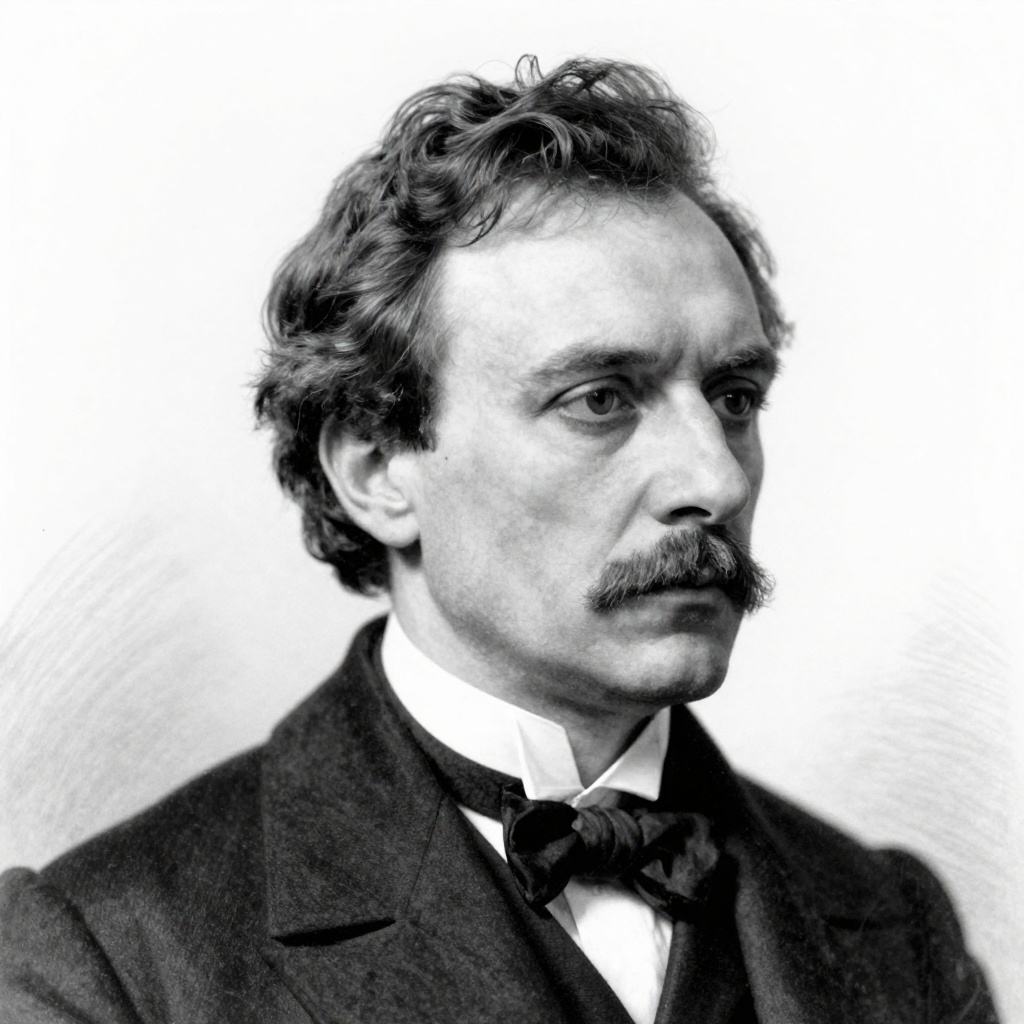
Comments