Quote · Added 31 March 2026
Everything is a riddle, and the key to a riddle is another riddle.
No ratings yet
Filed underriddle·mystery·understanding
Quote · Added 31 March 2026
Filed underriddle·mystery·understanding
Life has a way of feeling like a puzzle where the pieces don't quite fit the picture on the box. You solve one problem—finally get the promotion, fix the relationship issue, figure out what you actually want to do—and suddenly you're facing three new questions you didn't expect. Dostoevsky's observation captures something real about how understanding actually works. It's not like unlocking a door with a single key. It's more like each answer you find opens up a new set of questions, each one slightly different from what you thought you were looking for.
The tricky part is that most of us spend our twenties and thirties hoping to eventually arrive at clarity—that moment when everything clicks into place and we finally understand. But the deeper insight here is that confusion isn't a problem to be solved once and for all. It's the permanent texture of being alive and paying attention. The people who seem wisest aren't the ones who stopped asking questions. They're the ones who got comfortable with the fact that understanding something often means developing a better, more interesting question about it.
This matters because it reframes what growth actually is. Instead of feeling defeated when you find new complications in something you thought you'd figured out, you can recognize that noticing the next layer of complexity is exactly what development looks like.
1821–1881·lived 59 years
Fyodor Dostoevsky (1821–1881) was a renowned Russian writer known for his groundbreaking novels exploring psychological complexities and existential themes. His works, such as "Crime and Punishment" and "The Brothers Karamazov," have had a profound influence on literature, philosophy, and psychology, making him one of the greatest novelists in history.
Also by Fyodor Dostoevsky
Most people don't have original opinions. They just repeat what they heard from someone lo...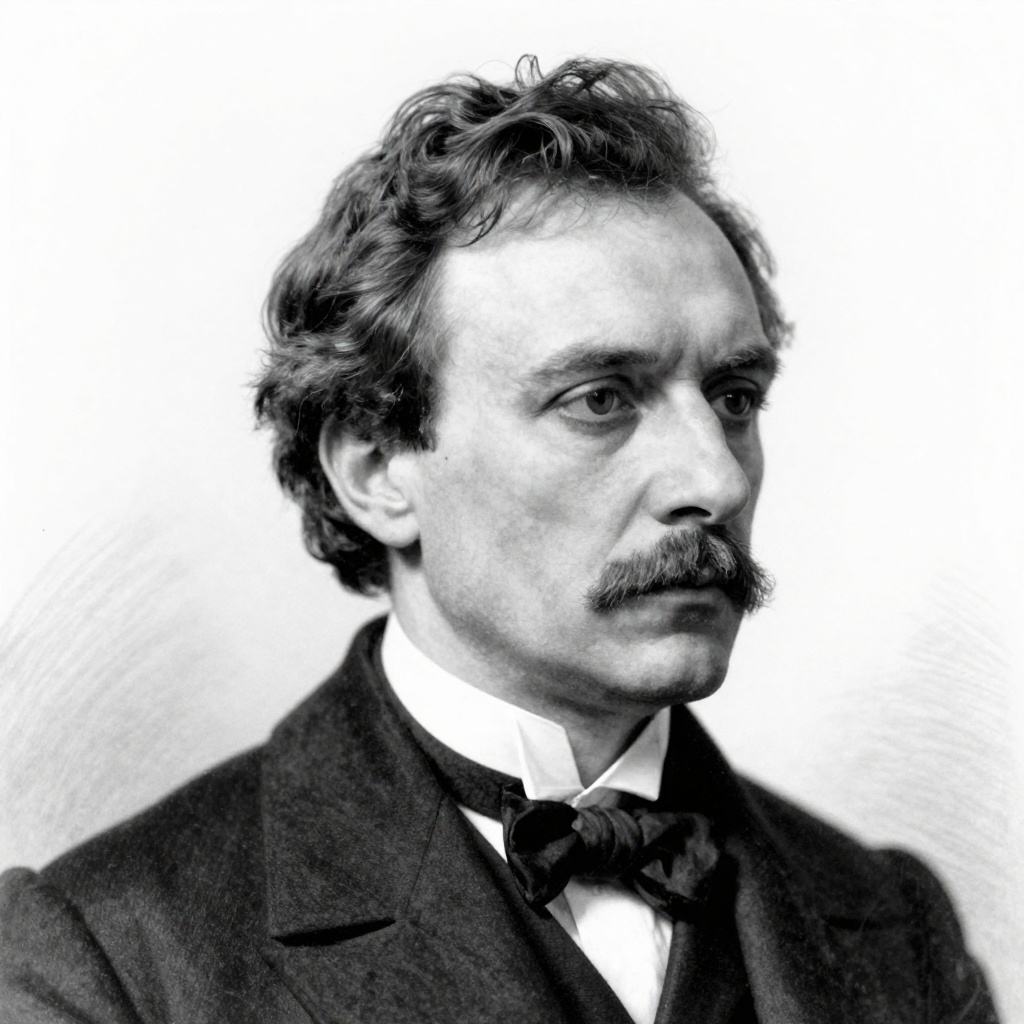
Comments