Quote · Added 14 February 2026
Imagination was given to man to compensate him for what he is not; a sense of humor to console him for what he is.
Filed underimagination·humor·compensation
Quote · Added 14 February 2026
Filed underimagination·humor·compensation
We spend a lot of energy trying to become who we're not. We imagine better versions of ourselves—more confident, more accomplished, more put-together—and that gap between reality and possibility actually drives us forward. Imagination isn't just escapism; it's the fuel that lets us grow beyond our current limitations. Without it, we'd be trapped in whatever circumstances we happened to land in.
But here's where humor saves us from exhaustion. Once you stop taking yourself so seriously, you can laugh at the gap instead of just suffering through it. That person who trips walking into a meeting, or sends an embarrassing email, or realizes they've been wearing a sticker on their back all day—they're not broken. They're just human, which is messier and funnier than we pretend. Humor doesn't lower our ambitions; it actually makes them sustainable by releasing the tension of constantly measuring ourselves against an ideal.
The real insight is that these two things work together. Imagination without humor turns into anxiety and perfectionism. But humor without imagination is just cynicism. The healthiest people seem to be the ones who dream big but laugh easily at themselves along the way—holding possibility lightly enough to actually enjoy the journey there.
1561–1626·lived 65 years
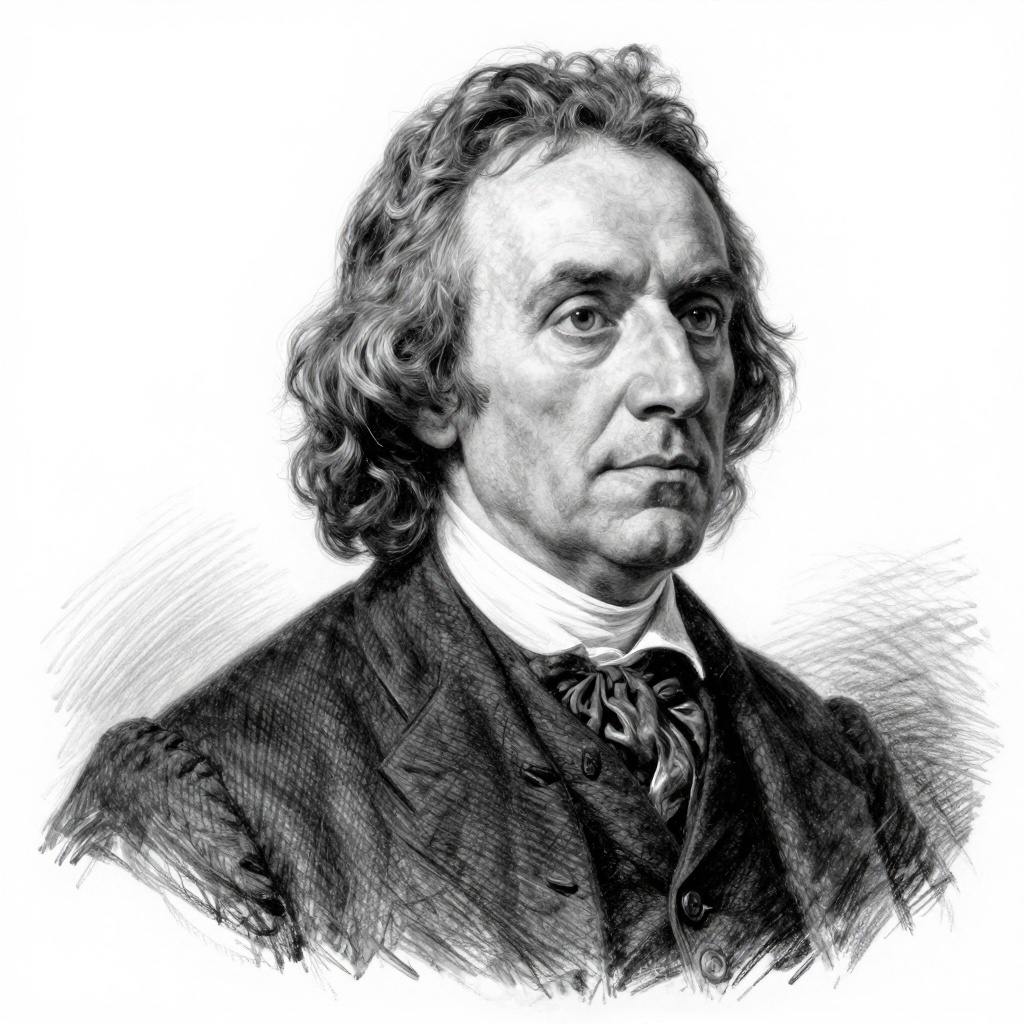
Francis Bacon (1561–1626) was an English philosopher, statesman, scientist, and author. Known as the father of empiricism, Bacon's works laid the groundwork for the scientific method and emphasized the importance of observation and experimentation in the pursuit of knowledge. His contributions to philosophy and science have had a profound impact on the development of modern thought.
Comments