Quote · Added 15 February 2026
Age appears to be best in four things; old wood best to burn, old wine to drink, old friends to trust, and old authors to read.
Filed underage·wisdom·friendship
Quote · Added 15 February 2026
Filed underage·wisdom·friendship
There's something deeply practical in this old line that doesn't get enough attention. We live in a culture that treats newness like a virtue—the latest app, the hottest trend, the breakthrough study released last week. But Bacon is pointing at something counterintuitive: the things that matter most often improve with time rather than being rendered obsolete by it. Old friendships work precisely because they've survived awkward moments and disappointments. Old books have already been tested by thousands of readers asking hard questions. They've earned their reputation the hard way.
The real insight goes deeper than nostalgia though. Bacon isn't saying new things are bad; he's describing how certain types of value reveal themselves slowly. A newly published novel might be exciting, but we don't really know if it's worth reading until ten years have passed and people are still talking about it. Similarly, a friendship that's lasted decades has proven its worth through actual friction and time, not just initial chemistry. This matters now because we're constantly deciding what to trust—which voices, which ideas, which people. Bacon suggests that time itself is a filter. It's not foolproof, but it's honest in a way that marketing and hype simply aren't.
1561–1626·lived 65 years
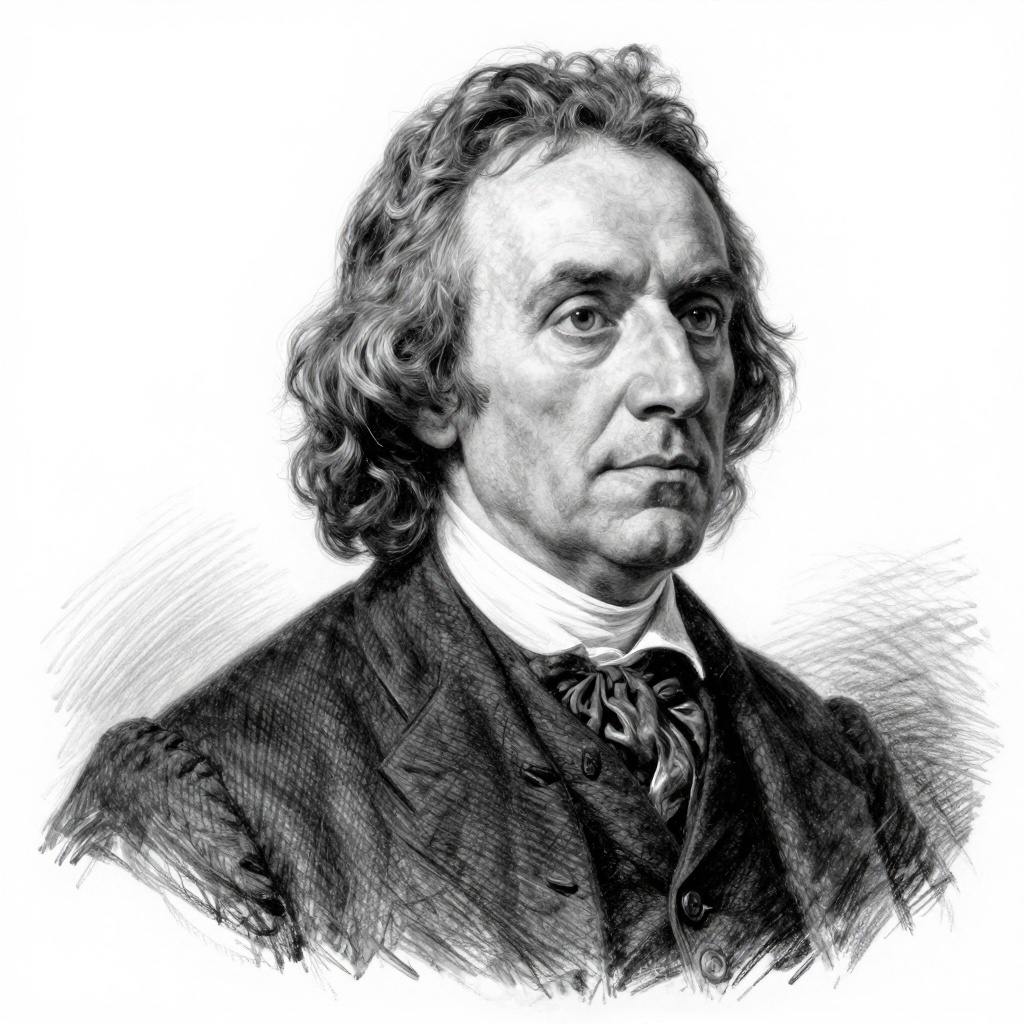
Francis Bacon (1561–1626) was an English philosopher, statesman, scientist, and author. Known as the father of empiricism, Bacon's works laid the groundwork for the scientific method and emphasized the importance of observation and experimentation in the pursuit of knowledge. His contributions to philosophy and science have had a profound impact on the development of modern thought.
Comments