Quote · Added 7 March 2026
They are ill discoverers that think there is no land, when they can see nothing but sea.
Filed undersea·discovery·perspective
Quote · Added 7 March 2026
Filed undersea·discovery·perspective
We live in an age of constant searching—for opportunity, for answers, for proof that we're on the right track. And the easiest trap is confusing what we can't see with what doesn't exist. When you're in the middle of a difficult career transition, it's tempting to believe there's no solid ground ahead just because the path isn't visible from where you're standing. Same with relationships, creative projects, or personal growth. The fog feels permanent until it lifts.
Bacon's insight cuts against our modern demand for certainty. We want the destination mapped out, the business plan validated, the job offer in hand before we commit. But that's not how discovery actually works. Explorers don't turn back because they can't see land yet—they keep moving because they understand that nothing visible doesn't equal nothing real. The problem isn't the absence of solid ground; it's the lack of patience or faith to sail past the horizon.
This matters now because we're drowning in information about everyone else's certainties. When you're struggling and see only fog, your instinct is to assume you're lost. But sometimes the real discovery isn't finding the land—it's having the clarity to keep moving anyway.
1561–1626·lived 65 years
Francis Bacon (1561–1626) was an English philosopher, statesman, scientist, and author. Known as the father of empiricism, Bacon's works laid the groundwork for the scientific method and emphasized the importance of observation and experimentation in the pursuit of knowledge. His contributions to philosophy and science have had a profound impact on the development of modern thought.
Also by Francis Bacon
Silence is the sleep that nourishes wisdom.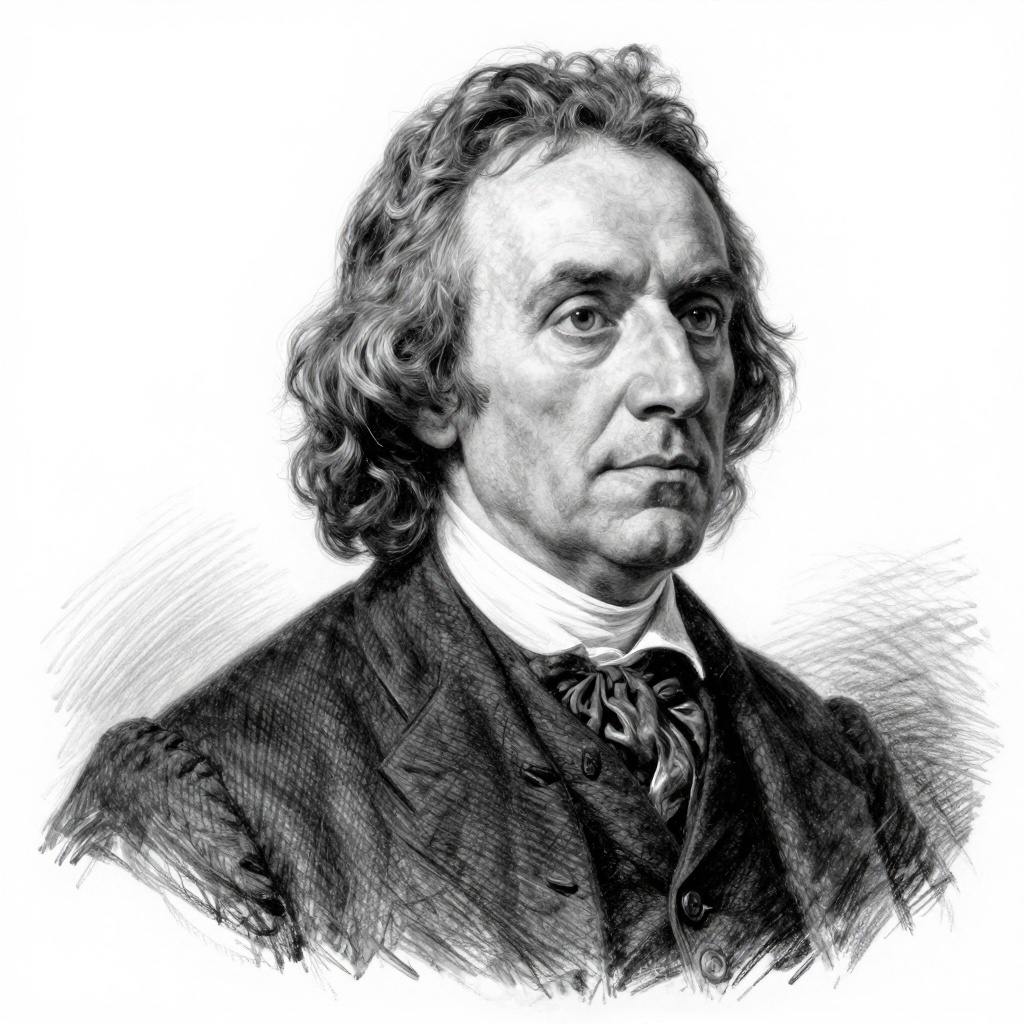
Comments