Quote · Added 15 February 2026
Wives are young men's mistresses, companions for middle age, and old men's nurses.
Filed underwives·relationships·roles
Quote · Added 15 February 2026
Filed underwives·relationships·roles
This observation stings because it contains a grain of uncomfortable truth about how we sometimes treat relationships as tools rather than partnerships. Bacon was mapping out a transactional view of marriage that echoes through the centuries—the idea that what we need or want from a partner shifts predictably as we age, and we adjust our expectations accordingly.
But here's the thing: while this might describe how some people do approach marriage, it doesn't have to describe how marriage works. The real tension is that Bacon assumes the woman in this equation is simply whatever role the man requires at each stage. What gets completely erased is what the wife might actually be experiencing, needing, or becoming across those same decades. A woman in her sixties is rarely thinking of herself as a nurse; she's probably at a peak of clarity and capability, reimagining her own life.
The quote matters today precisely because we're finally rejecting this framework. We're learning that lasting partnerships happen when both people see each other as full humans across all the seasons, not as supporting characters in someone else's timeline. The discomfort the quote creates is useful—it helps us recognize when we've started viewing someone through a lens of utility rather than mutuality.
1561–1626·lived 65 years
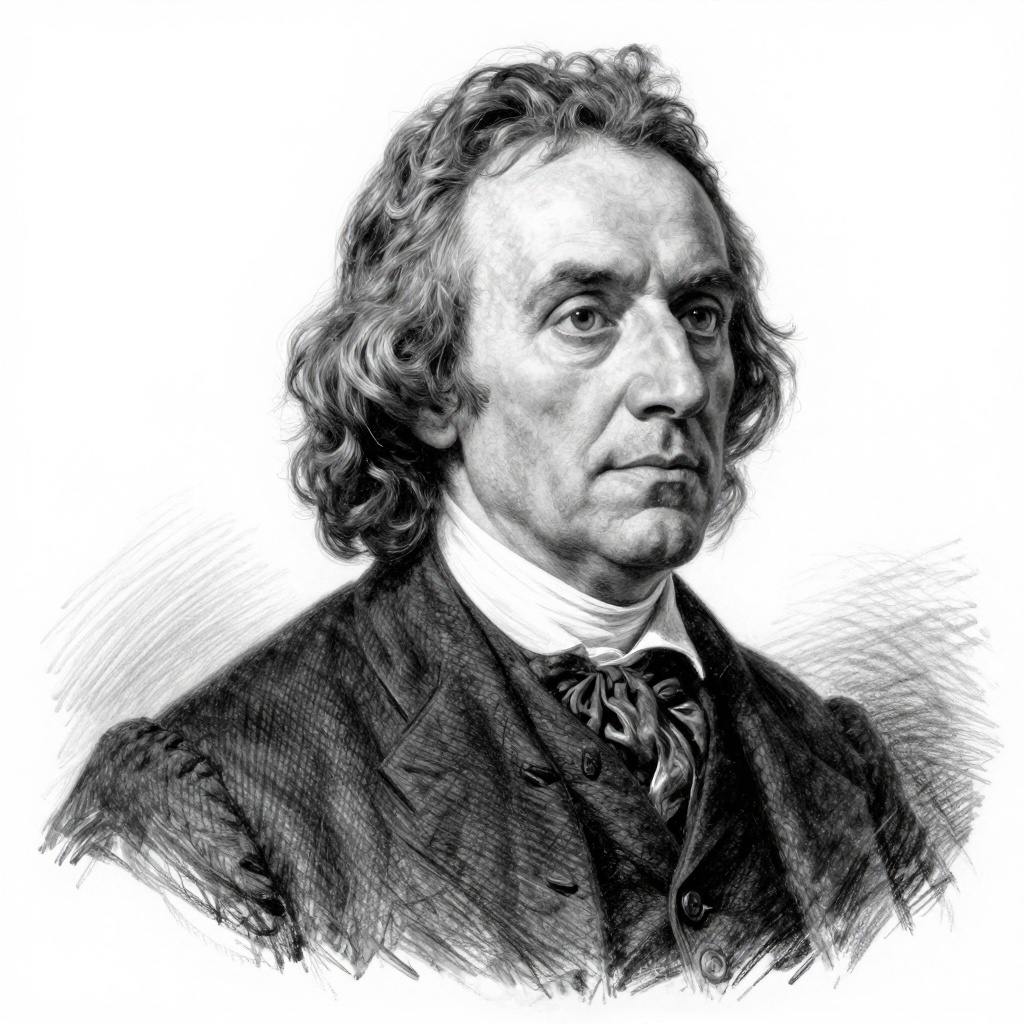
Francis Bacon (1561–1626) was an English philosopher, statesman, scientist, and author. Known as the father of empiricism, Bacon's works laid the groundwork for the scientific method and emphasized the importance of observation and experimentation in the pursuit of knowledge. His contributions to philosophy and science have had a profound impact on the development of modern thought.
Comments