Quote · Added 15 February 2026
I will never be an old man. To me, old age is always 15 years older than I am.
Filed underage·perception·defiance
Quote · Added 15 February 2026
Filed underage·perception·defiance
There's something oddly honest about this. Most of us carry around a mental image of what "old" means—maybe it's the age our grandparents were, or some fixed number we absorbed as kids. But Bacon's pointing at something most people actually experience: that boundary keeps moving. The moment you hit 40 and realize you don't feel ancient, you quietly bump "old age" up to 55. It's less about denial and more about how our internal sense of ourselves rarely catches up to the calendar.
What makes this worth sitting with is that it captures a real tension in how we age. We simultaneously know we're not young anymore—our knees remind us—yet we feel genuinely continuous with who we were at 25. That gap between the chronological and the felt is where most people actually live. The slightly uncomfortable flip side: this perpetual "still young" feeling can make us blind to real changes happening, or dismissive of people our current age who seem to have "given up."
The quote isn't really about vanity or avoiding mirrors. It's about how identity works. We're stubborn about our own narrative. We resist being sorted into categories, especially ones that feel like expiration dates. That resistance might keep us flexible and open—or it might just mean we're all surprised, eventually, to find we've become exactly what we swore we'd never be.
1561–1626·lived 65 years
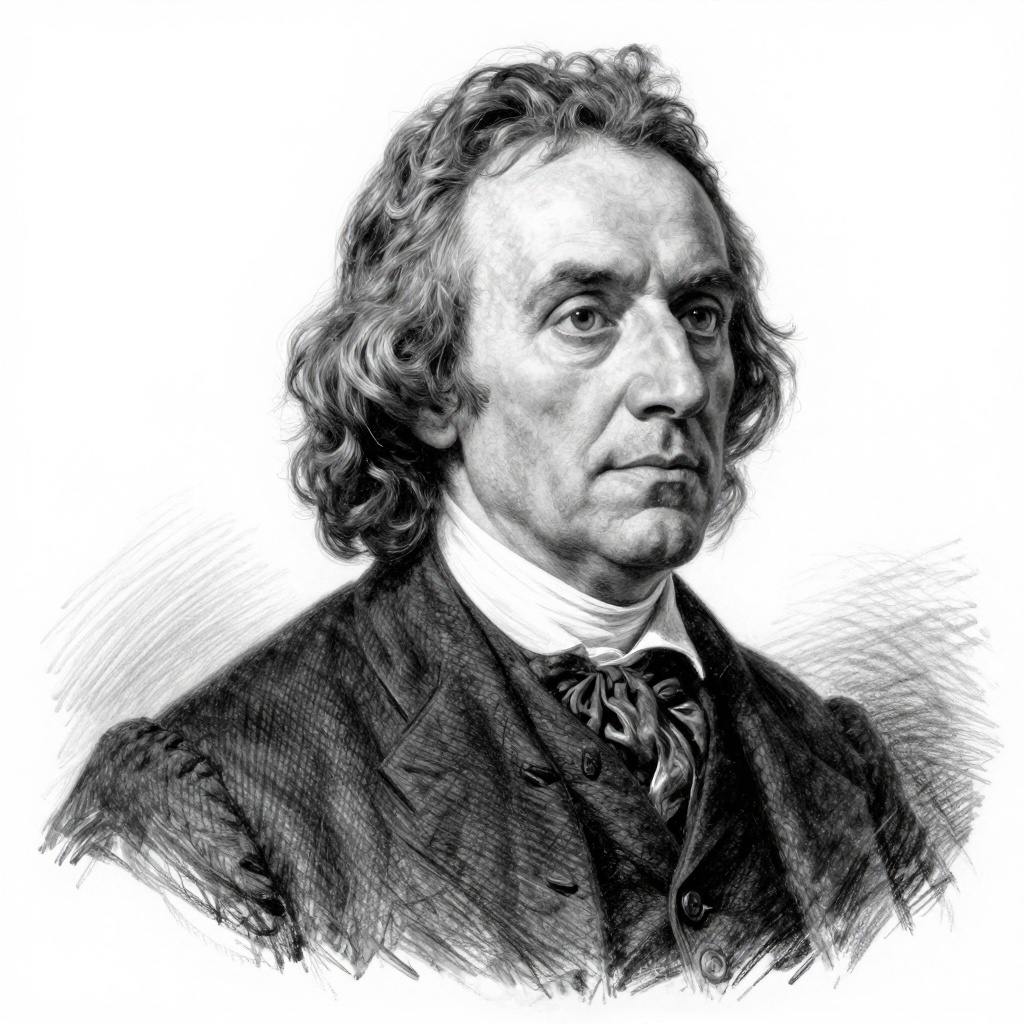
Francis Bacon (1561–1626) was an English philosopher, statesman, scientist, and author. Known as the father of empiricism, Bacon's works laid the groundwork for the scientific method and emphasized the importance of observation and experimentation in the pursuit of knowledge. His contributions to philosophy and science have had a profound impact on the development of modern thought.
Comments