Quote · Added 11 February 2026
God Almighty first planted a garden. And indeed, it is the purest of human pleasures.
Francis BaconThe Essays, p. 45, 1625
Quote · Added 11 February 2026
There's something quietly radical about Bacon's observation. In his time, gardening was practical work—necessary for survival. But he's pointing to something deeper: that the act of growing things, of tending to life, hits us at a fundamental level. Not as labor or obligation, but as genuine pleasure. Maybe even the purest kind.
We often chase pleasure in complicated ways—through consumption, entertainment, achievement. Yet many people find their deepest satisfaction in something simpler: getting their hands dirty, watching something grow from a seed, creating a small pocket of beauty or abundance. It's not the Instagram-worthy accomplishment; it's the quiet repetition of watering, weeding, waiting. That rhythm seems to settle something in us that fancier pursuits don't touch.
The surprising part? Bacon isn't just talking about gardeners. He's describing a basic human need to participate in creation, to see direct results from our effort, to steward something living. You don't need a backyard. That impulse shows up whenever we nurture anything—a skill, a relationship, even an idea. The pleasure isn't in having; it's in the tending itself.
1561–1626·lived 65 years
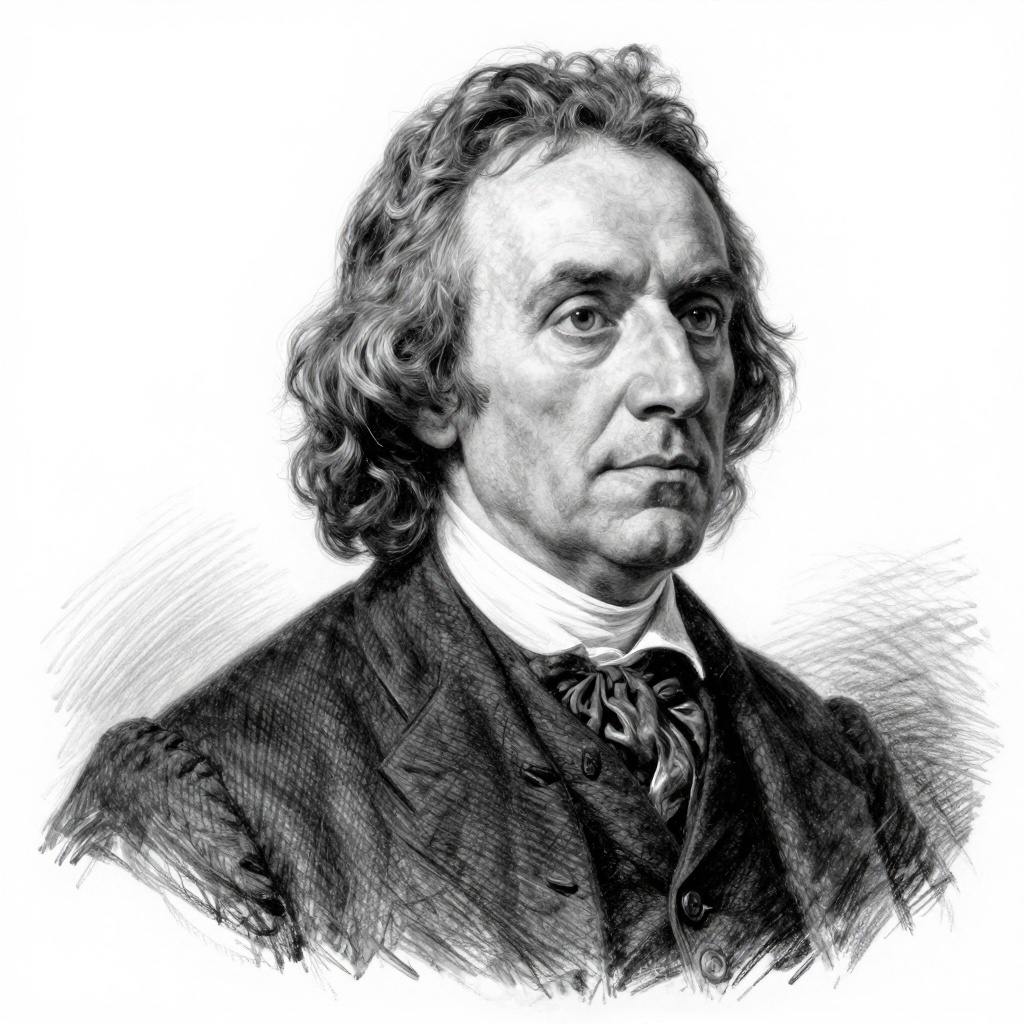
Francis Bacon (1561–1626) was an English philosopher, statesman, scientist, and author. Known as the father of empiricism, Bacon's works laid the groundwork for the scientific method and emphasized the importance of observation and experimentation in the pursuit of knowledge. His contributions to philosophy and science have had a profound impact on the development of modern thought.
Comments