Quote · Added 11 February 2026
The winds and the waves are always on the side of the ablest navigators.
Edward GibbonThe History of the Decline and Fall of the Roman Empire, Vol. 1, 1776
No ratings yet
Filed undernavigators·perseverance·nature
Quote · Added 11 February 2026
Filed undernavigators·perseverance·nature
We tend to think luck is something that happens to us—a storm that catches the unprepared, or fair winds that reward the fortunate. But Gibbon's observation flips this around: the conditions stay the same for everyone. What changes is the skill you bring to them. The person who knows how to read a situation, who practices their craft, who stays alert and adjusts as circumstances shift—that's the person the wind seems to favor.
This matters because it takes the sting out of feeling stuck. When things aren't going your way, the instinct is usually to blame external circumstances or bad timing. But Gibbon reminds us that becoming "abler" at whatever we do is always within reach. The same market downturn affects everyone, yet some navigate it better. The same difficult conversation comes up for all of us, but people with better communication skills move through it more smoothly. You can't always control the waves, but you can develop the judgment and skill to work with them instead of against them.
The slightly uncomfortable part? This also means we have more responsibility than we'd sometimes like to admit. When we're struggling, it's worth asking honestly: Is this truly circumstance, or is there something here I could get better at?
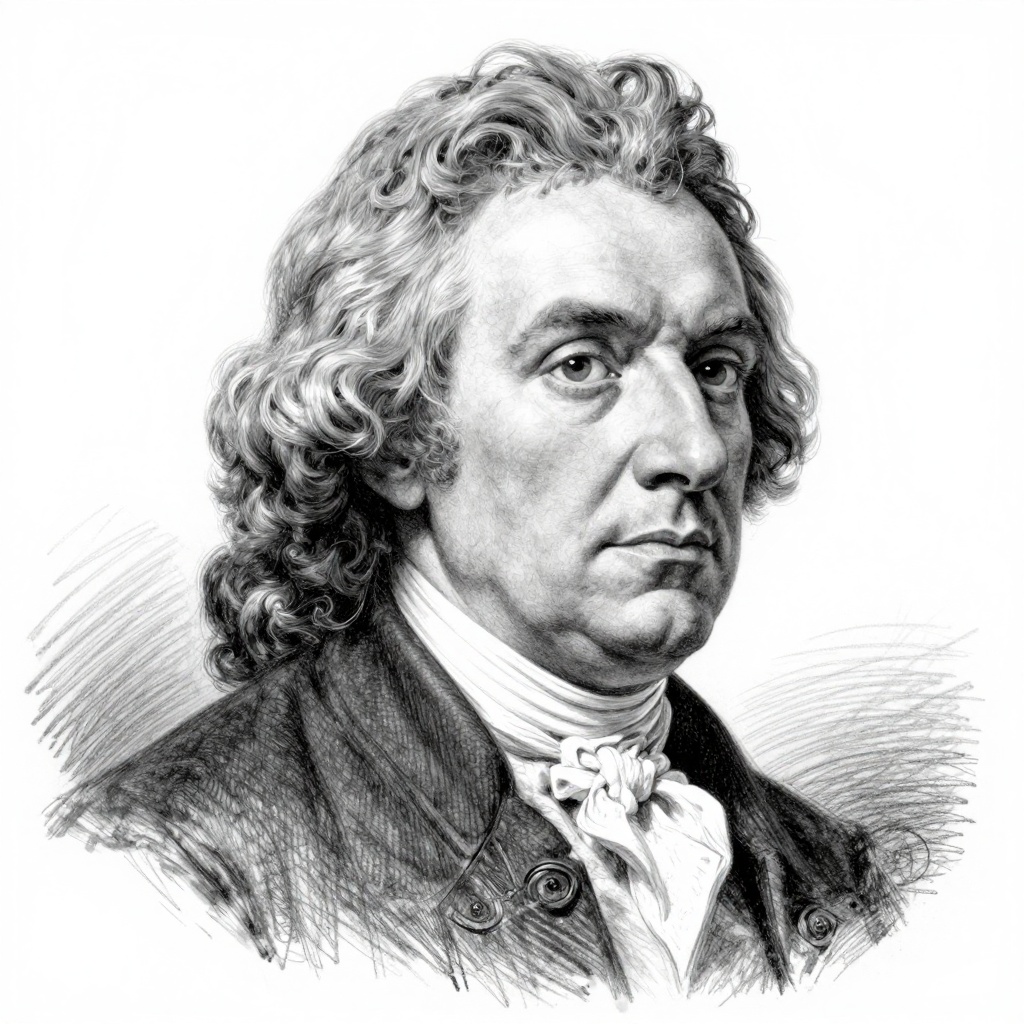
1737–1794·lived 56 years
Edward Gibbon (1737–1794) was an English historian and member of Parliament, best known for his monumental work "The History of the Decline and Fall of the Roman Empire." His detailed and rigorous account of Rome's fall has had a profound influence on the study of history and remains a classic in the field of historiography.
Comments