Quote · Added 14 February 2026
Revenge is profitable, gratitude is expensive.
Edward GibbonThe History of the Decline and Fall of the Roman Empire - Volume the First, 1776
No ratings yet
Quote · Added 14 February 2026
There's something almost mercenary about how our brains keep score. Revenge is seductive because it's efficient—it converts hurt into action, gives us a clear target, a sense of momentum. We plot, we execute, and we feel like we've balanced the ledger. Gratitude, though, asks something harder. It requires us to acknowledge that someone gave us something we didn't earn, which means sitting with a small debt of sorts. It's uncomfortable in a way that blame never is.
What makes this observation sting is how true it remains in everyday life. You can burn energy staying mad at someone who wronged you—that requires almost nothing from you except time and bitterness. But actually thanking someone, really meaning it, requires you to be vulnerable. You have to admit you needed help. You have to show genuine appreciation rather than just saying the words. Over time, revenge compounds into isolation and exhaustion, while gratitude compounds into deeper relationships and unexpected support when you need it most.
The real expense, though, isn't in the moment. It's that gratitude demands we stay connected to people and remain open to owing something to others. Revenge lets us stay island-like and self-contained. Which is precisely why people so often choose it.
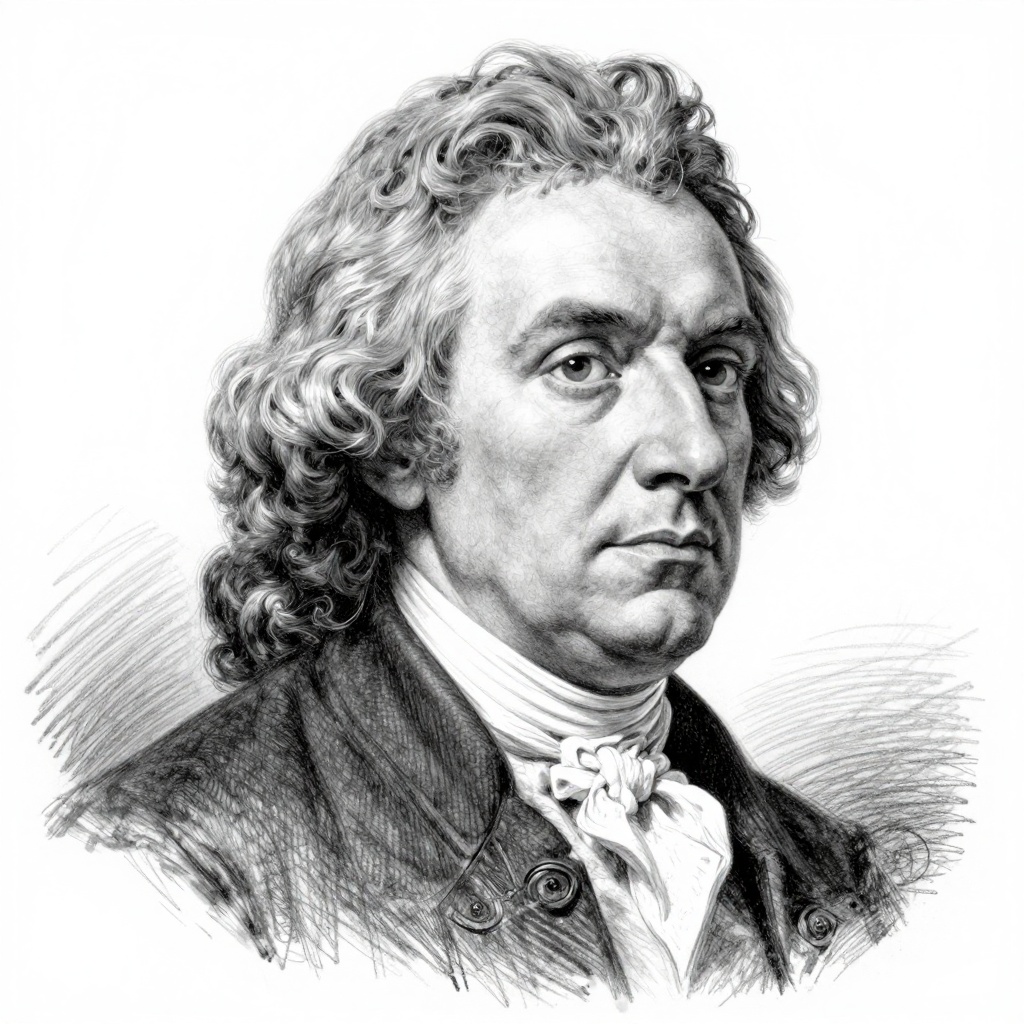
1737–1794·lived 56 years
Edward Gibbon (1737–1794) was an English historian and member of Parliament, best known for his monumental work "The History of the Decline and Fall of the Roman Empire." His detailed and rigorous account of Rome's fall has had a profound influence on the study of history and remains a classic in the field of historiography.
Comments