Quote · Added 14 February 2026
I never make the mistake of arguing with people for whose opinions I have no respect.
No ratings yet
Quote · Added 14 February 2026
We often think of restraint as something noble but passive—choosing silence because we're too mature to fight. Gibbon's insight is different. He's not declining argument out of virtue; he's recognizing it as pointless. Arguing with someone whose judgment you don't trust is like trying to win a game where you've already decided the rules don't matter. There's no path to resolution because you don't believe they're reasoning from the same place you are.
The practical gift here is permission to stop. We waste enormous energy on people—online strangers, certain family members, colleagues we've written off—trying to land the perfect point that will finally make them see. But if you've genuinely lost respect for how someone thinks, no argument will bridge that. They're not unconvinced; you've already concluded they can't be reasoned with. Continuing feels like duty or righteousness, but it's really just friction.
This doesn't mean dismissing disagreement or surrounding yourself only with people who think like you. It means recognizing the difference between someone worth engaging—even if you disagree sharply—and someone whose judgment you've already decided to distrust. That distinction, honestly made, saves you from arguments that were never really about changing minds at all.
1737–1794·lived 56 years
Edward Gibbon (1737–1794) was an English historian and member of Parliament, best known for his monumental work "The History of the Decline and Fall of the Roman Empire." His detailed and rigorous account of Rome's fall has had a profound influence on the study of history and remains a classic in the field of historiography.
Also by Edward Gibbon
Revenge is profitable, gratitude is expensive.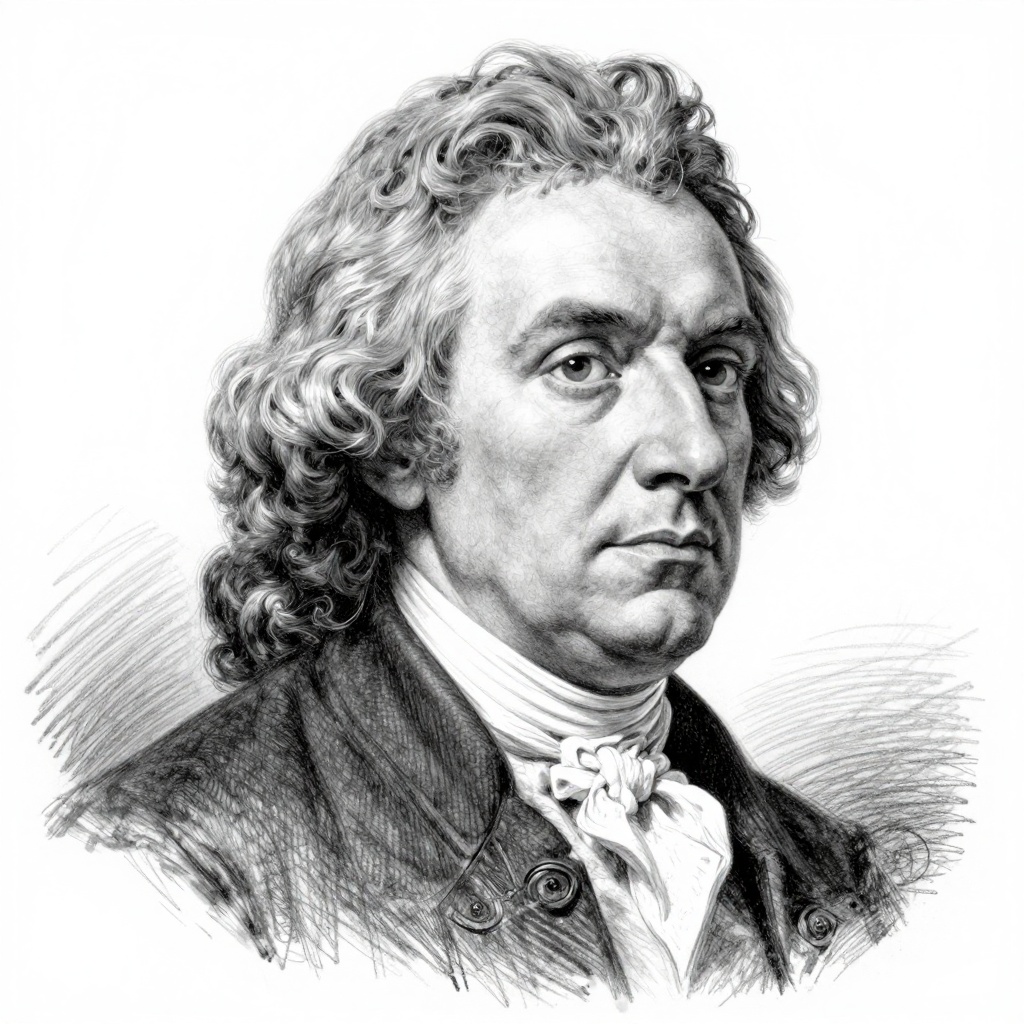
Comments