Quote · Added 14 February 2026
We must all obey the great law of change. It is the most powerful law of nature.
Edmund BurkeLetter to Sir Hercules Langrishe, 1792
No ratings yet
Quote · Added 14 February 2026
Change is the one thing we're absolutely certain will happen, yet we spend enormous energy pretending we can freeze the world in place. We buy the same brand of coffee, follow the same routes, keep the same friends—not necessarily because these things are perfect, but because they're known. The comfort of repetition makes us forget that everything around us is already shifting: our bodies aging, our skills becoming obsolete, our relationships deepening or drifting. Burke's point isn't poetic—it's practical. Resisting change doesn't stop it; it just means you're constantly bracing for impact instead of learning to navigate it.
The real power lies in recognizing that adapting isn't weakness or failure. It's actually how successful people and organizations operate. They don't waste energy fighting the tide; they study how the current moves and position themselves accordingly. This applies to careers that transform, relationships that need renegotiating, and beliefs we eventually outgrow. The people who seem most at ease aren't the ones who've stopped everything from changing—that's impossible anyway. They're the ones who've made peace with constant evolution and learned to move with it rather than against it.
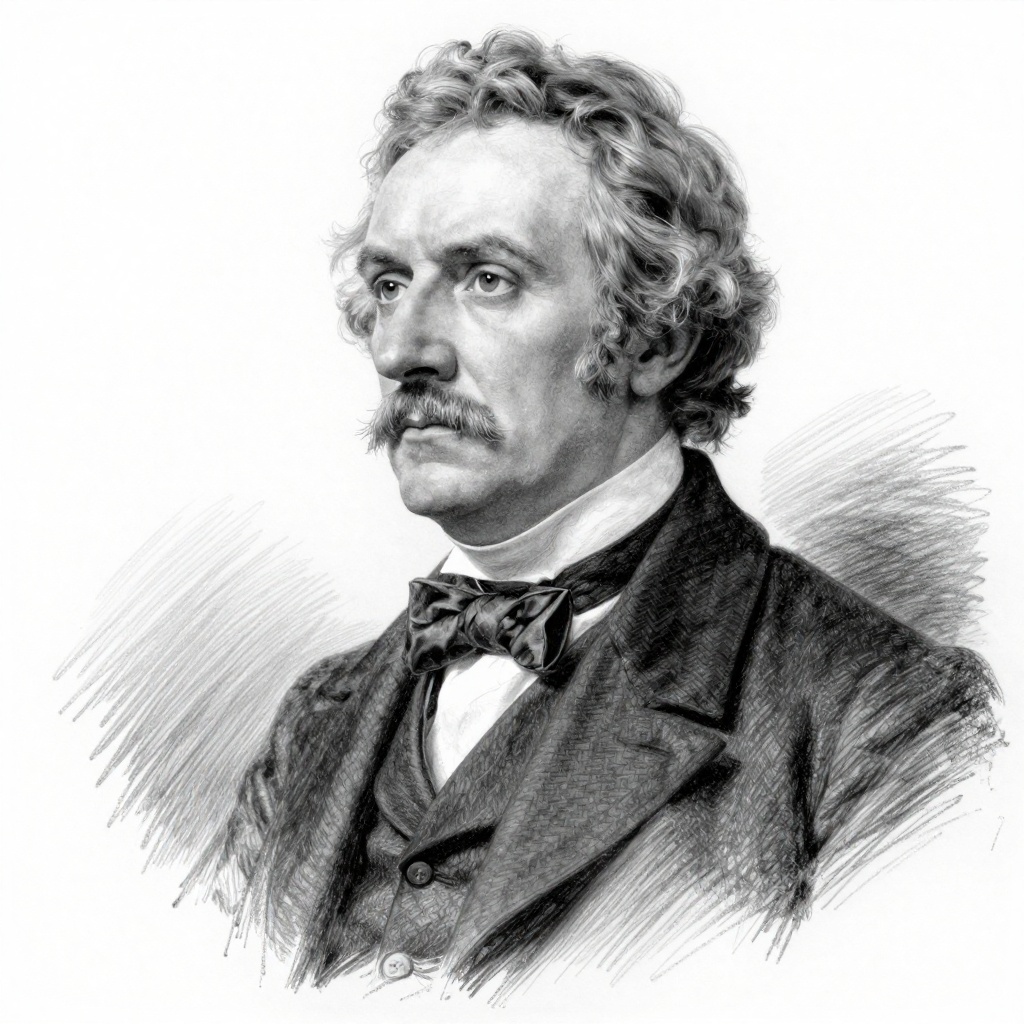
1729–1797·lived 68 years
Edmund Burke (1729–1797) was an Irish statesman, philosopher, and political theorist. He is best known for his advocacy of conservative thought, his opposition to the French Revolution, and his support for individual liberties and the rights of colonized peoples. Burke's writings had a profound influence on political philosophy and are considered foundational to modern conservatism.
Comments