Quote · Added 14 February 2026
Our patience will achieve more than our force.
Edmund BurkeReflections on the Revolution in France, 1790
No ratings yet
Filed underpatience·strength·achievement
Quote · Added 14 February 2026
Filed underpatience·strength·achievement
There's a stubborn part of us that wants to muscle through problems—to force outcomes through sheer willpower and urgency. We schedule more, push harder, demand faster results. But most of life doesn't work that way. A relationship doesn't heal because you decide it should by Tuesday. A skill doesn't develop because you've determined it's now time to master it. A person's mind doesn't change because you've made your argument forcefully enough.
Patience isn't passivity. It's a different kind of strength—the strength to keep showing up, to let things compound, to trust that consistent effort over time reshapes situations in ways that raw force never could. When you're patient with someone, you're actually seeing them clearly enough to know what they need. When you're patient with a problem, you're gathering information, trying different angles, learning what actually works rather than what you hoped would work.
The counterintuitive part: patience often gets things done faster than impatience. The person who rushes through relationships burns bridges. The worker who forces solutions through intimidation breeds resentment and quiet sabotage. The impatient perfectionist exhausts themselves chasing diminishing returns. Meanwhile, the patient person is building real trust, real understanding, real progress that sticks around.
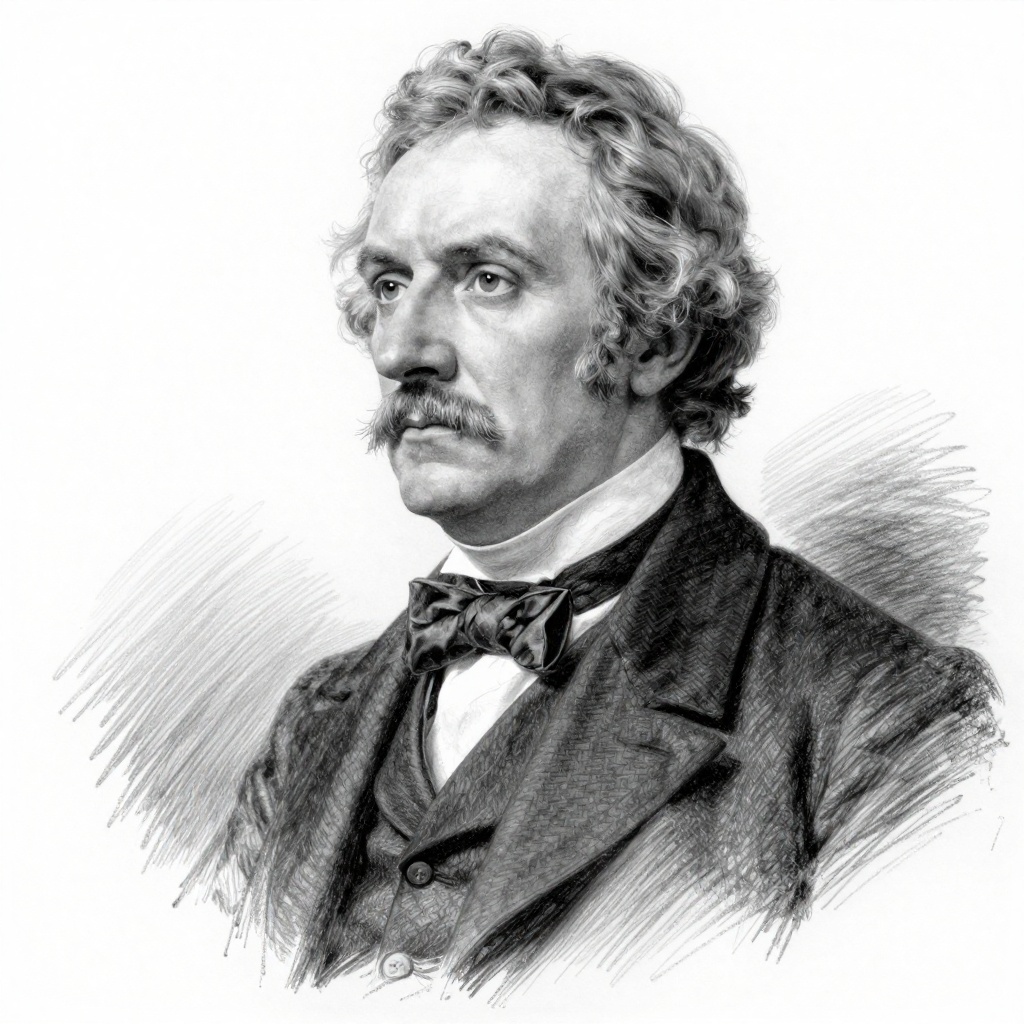
1729–1797·lived 68 years
Edmund Burke (1729–1797) was an Irish statesman, philosopher, and political theorist. He is best known for his advocacy of conservative thought, his opposition to the French Revolution, and his support for individual liberties and the rights of colonized peoples. Burke's writings had a profound influence on political philosophy and are considered foundational to modern conservatism.
Comments