Quote · Added 15 February 2026
When superstition is allowed to perform the task of old age in dulling the human temperament, we can say goodbye to all excellence in poetry, in painting, and in music.
Filed undersuperstition·excellence·art
Quote · Added 15 February 2026
Filed undersuperstition·excellence·art
There's a particular kind of mental calcification that happens when we stop questioning things. Superstition—whether it's literal belief in the supernatural or just unexamined dogma we've absorbed—acts like a sedative on curiosity. It lets us stop thinking, stop noticing, stop reaching. Diderot is saying that the same numbness that comes with actual old age can be artificially induced much earlier if we let rigid thinking take over. And once that happens, the creative spark dies before we do.
What makes this observation sharp for today is how it extends beyond religion or folklore. We're all susceptible to superstition in the modern sense: the conviction that "that's just how things are done," or "people like us don't do that." These unquestioned beliefs can calcify us as surely as any ancient ritual. They kill the willingness to experiment, to look foolish, to try something that might not work. A musician who's accepted every rule without questioning produces technically correct but lifeless work. A painter who's internalized what "good art" supposedly looks like paints from habit, not vision.
The uncomfortable part: excellence requires staying mentally young—which means staying open to being wrong, staying willing to discard what no longer serves. That friction, that refusal to settle into comfortable patterns, is what separates genuine creation from mere repetition.
1713–1784·lived 70 years
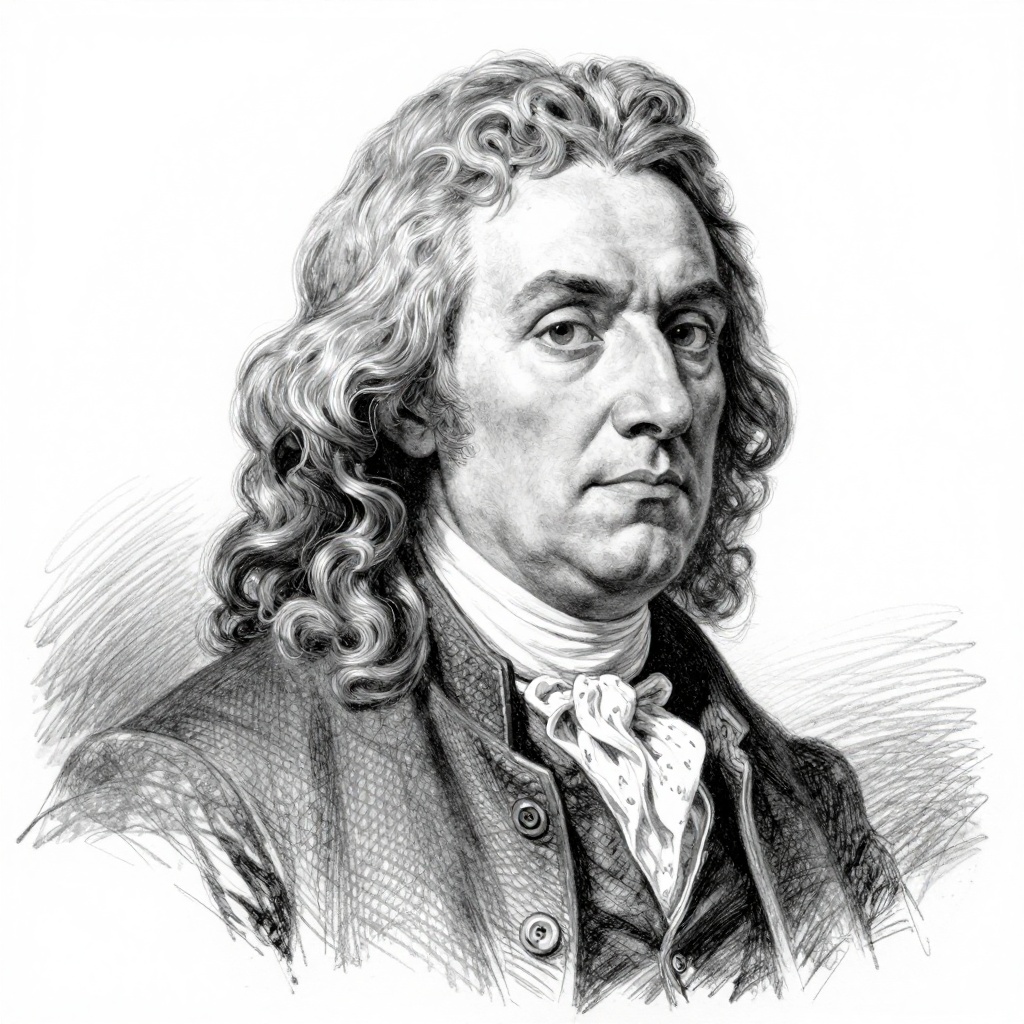
Denis Diderot was an 18th-century French philosopher, art critic, and writer. He is best known for being the editor-in-chief and a major contributor to the "Encyclopédie," a comprehensive and groundbreaking encyclopedia that aimed to compile and disseminate knowledge on a wide range of topics. Diderot's work in the Enlightenment period made significant contributions to philosophy, literature, and the advancement of human knowledge.
Comments