Quote · Added 14 February 2026
Gratitude is a burden, and every burden is made to be shaken off.
Denis DiderotRameau's Nephew: A Translation from Diderot's Autographic Text
Quote · Added 14 February 2026
There's something refreshing about Diderot refusing to romanticize gratitude as this purely uplifting emotion. Most of us are taught that being grateful should feel light and good, but anyone who's felt obligated to someone knows the weight can actually feel suffocating. When you owe someone something—a favor, your success, your life—that debt can become its own kind of prison, especially if the other person keeps reminding you of it.
But here's the twist: acknowledging gratitude as a burden doesn't mean we should reject kindness or forget who helped us. Instead, it means recognizing that the heaviest gratitudes are the ones we never fully discharge. We can't give back enough to make it even. That imbalance is what makes it a burden worth examining. Maybe the point is that we shouldn't carry gratitude indefinitely as a weight. We should use it—transform it into how we treat others—and then let it go, just like we'd shake off anything else pressing down on us. Gratitude that turns into guilt or permanent indebtedness has stopped being useful. Real growth comes from feeling it, acknowledging it, and then moving forward on our own terms.
1713–1784·lived 70 years
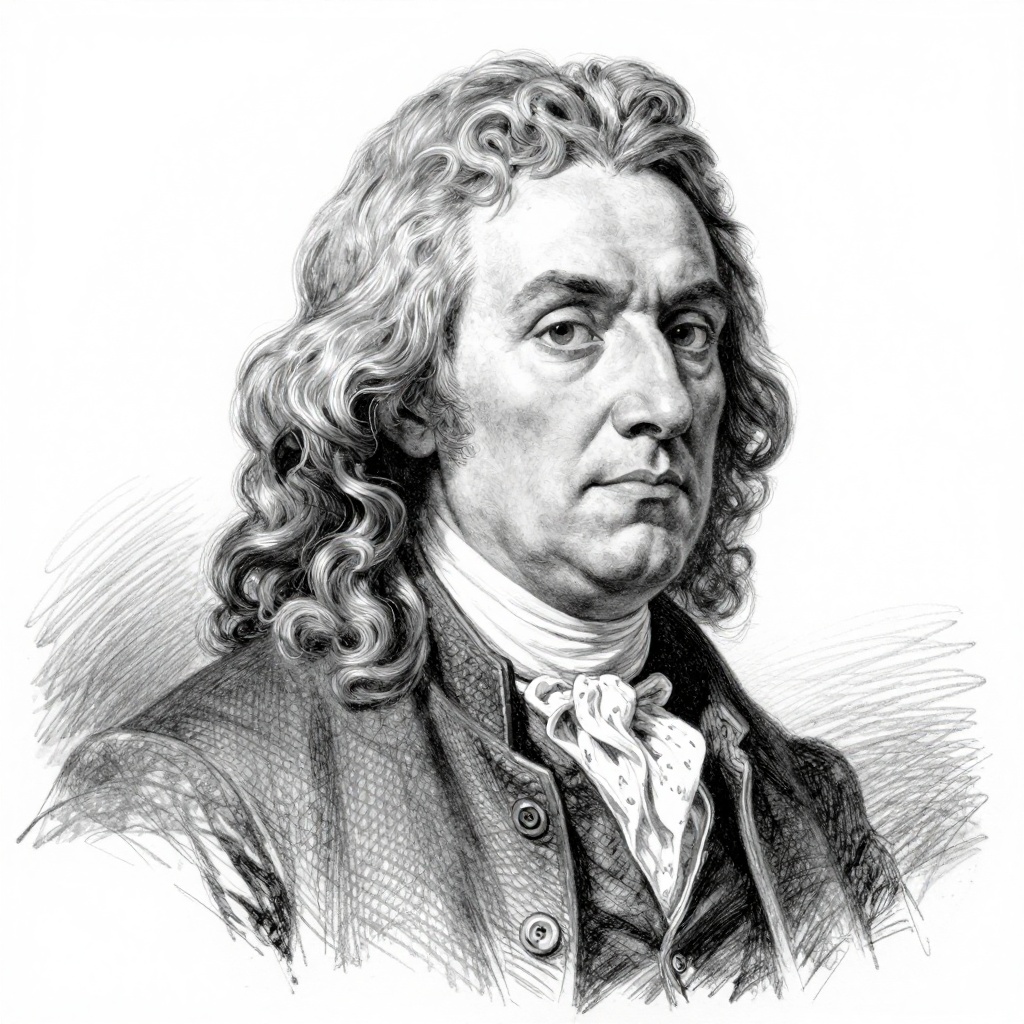
Denis Diderot was an 18th-century French philosopher, art critic, and writer. He is best known for being the editor-in-chief and a major contributor to the "Encyclopédie," a comprehensive and groundbreaking encyclopedia that aimed to compile and disseminate knowledge on a wide range of topics. Diderot's work in the Enlightenment period made significant contributions to philosophy, literature, and the advancement of human knowledge.
Comments