Quote · Added 15 February 2026
Genius is present in every age, but the men carrying it within them remain benumbed unless extraordinary events occur to heat up and melt the mass so that it flows forth.
Filed undergenius·potential·inspiration
Quote · Added 15 February 2026
Filed undergenius·potential·inspiration
We often think of genius as something rare and obvious—people who've always seemed destined for greatness, who showed up at school already brilliant. But this quote suggests something stranger: that capability for extraordinary thinking might be far more common than we realize. The real difference isn't who has potential, but who gets activated by circumstances.
This matters because it removes some of the romantic mystique around exceptional work. You're probably not waiting to discover you're a hidden genius—you're waiting for the right collision of pressure, need, or opportunity that forces your thinking to sharpen. A parent invents a new way to teach because their kid struggles. Someone stuck at home writes their best novel. A crisis at work suddenly demands clarity from someone nobody expected much from. The potential was always there; it just took something difficult enough to crack open.
The uncomfortable implication is that comfort can be the real enemy of growth. If everything's fine, there's no reason to think differently or push past what you already know works. This doesn't mean you need catastrophe to matter—but it does suggest that seeking out the right kind of challenge, discomfort, or meaningful problem might be how you accidentally discover what you're actually capable of.
1713–1784·lived 70 years
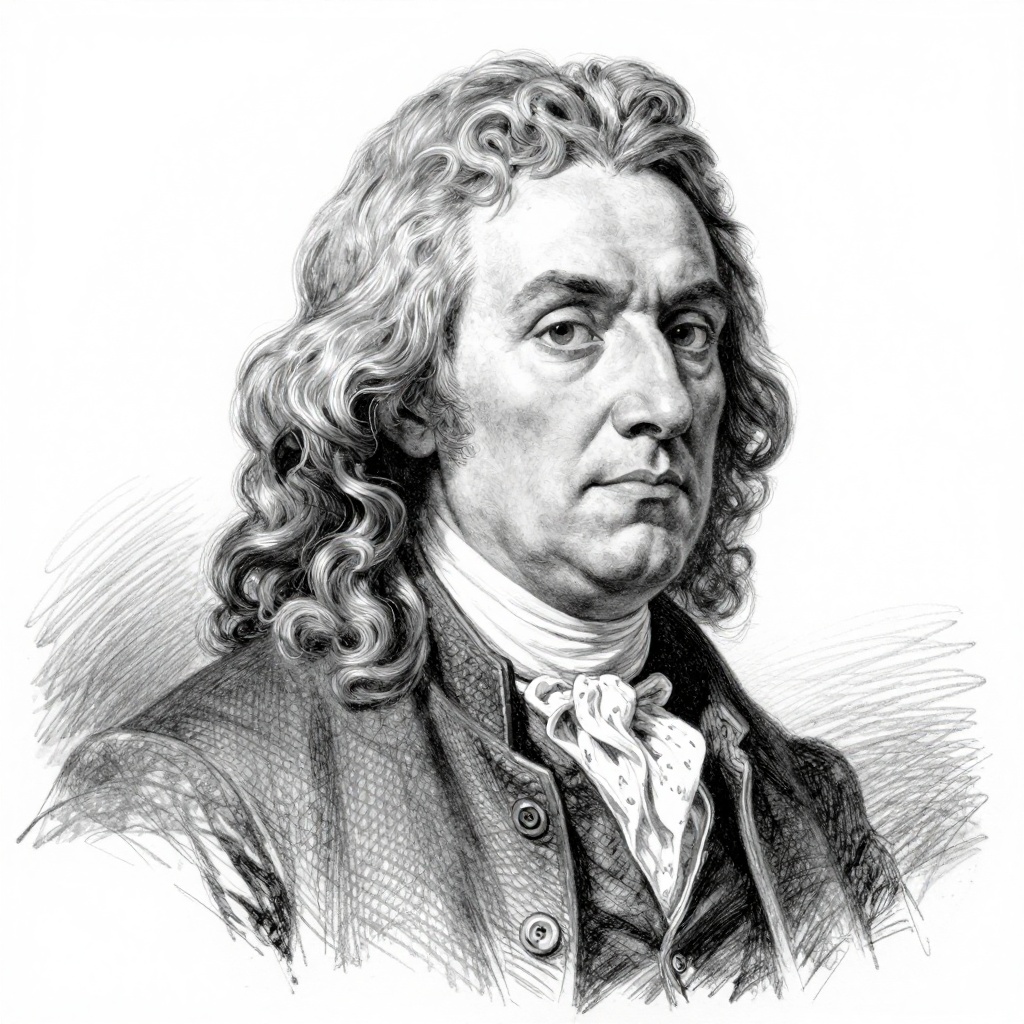
Denis Diderot was an 18th-century French philosopher, art critic, and writer. He is best known for being the editor-in-chief and a major contributor to the "Encyclopédie," a comprehensive and groundbreaking encyclopedia that aimed to compile and disseminate knowledge on a wide range of topics. Diderot's work in the Enlightenment period made significant contributions to philosophy, literature, and the advancement of human knowledge.
Comments