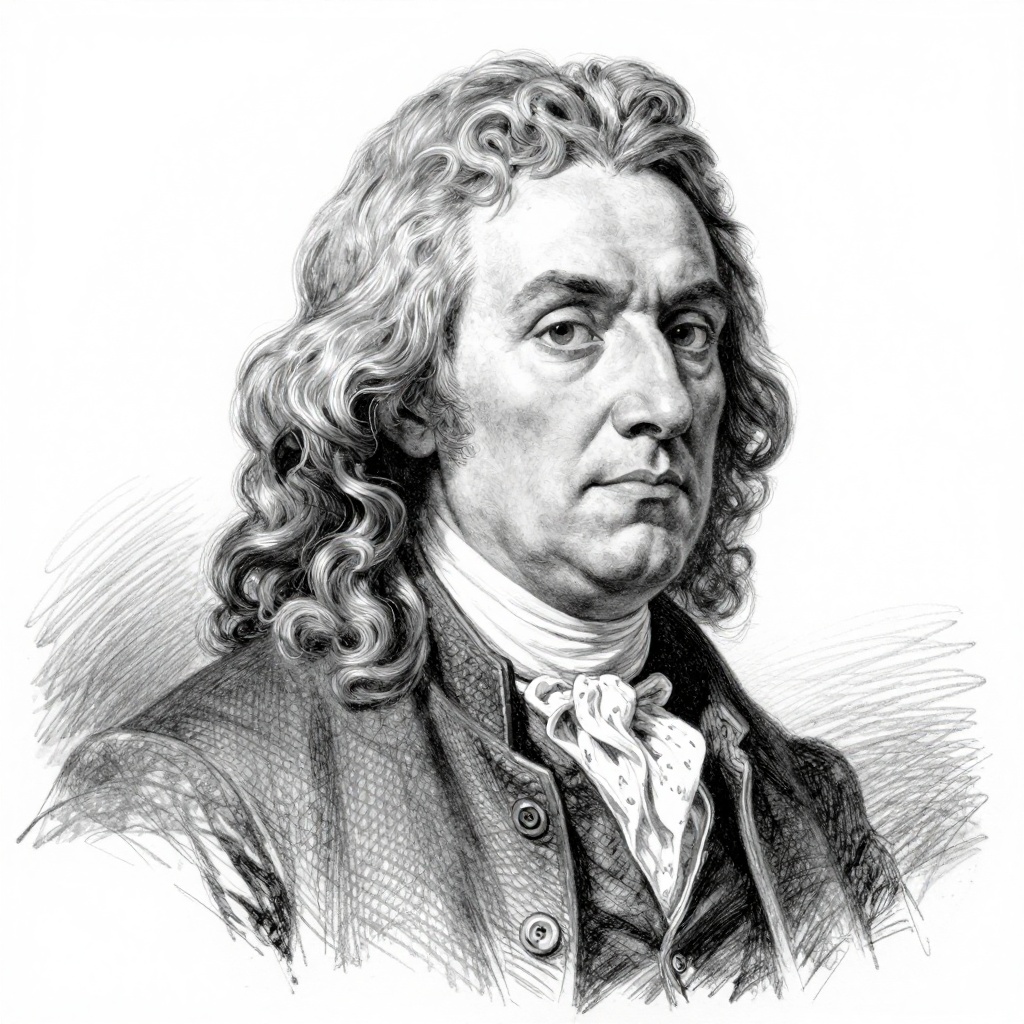
There are three principal means of acquiring knowledge... observation of nature, reflection, and experimentati... — Denis Diderot

There are three principal means of acquiring knowledge... observation of nature, reflection, and experimentation. Observation collects facts; reflection combines them; experimentation verifies the result of that combination.

Author: Denis Diderot

Insight: We live in an age where information feels infinite, yet real understanding feels scarce. Diderot's three-step process actually maps onto something we do naturally when we care enough to really learn something. You notice something in the world, you sit with it long enough to see connections others might miss, then you test whether your hunch actually holds up. It's the difference between scrolling facts and actually knowing something. The overlooked part here is reflection. We're trained to rush from observation straight to action, especially now. But Diderot knew that facts alone are just clutter. It's the thinking-it-through part where meaning emerges. You watch how a friend handles conflict, you notice a pattern, you suddenly understand something about yourself. Then life gives you a chance to test it. That's when knowledge sticks. What makes this framework durable is that it works whether you're a scientist or someone trying to figure out why a relationship keeps hitting the same wall. You gather real information, you sit with what it might mean, you actually try something different and see what happens. Skipping any step leaves you either drowning in facts, lost in theory, or wasting effort on experiments doomed from the start.

The forgotten step between facts and truth

There are three principal means of acquiring knowledge... observation of nature, reflection, and experimentation. Observation collects facts; reflection combines them; experimentation verifies the result of that combination.

We live in an age where information feels infinite, yet real understanding feels scarce. Diderot's three-step process actually maps onto something we do naturally when we care enough to really learn something. You notice something in the world, you sit with it long enough to see connections others might miss, then you test whether your hunch actually holds up. It's the difference between scrolling facts and actually knowing something.

The overlooked part here is reflection. We're trained to rush from observation straight to action, especially now. But Diderot knew that facts alone are just clutter. It's the thinking-it-through part where meaning emerges. You watch how a friend handles conflict, you notice a pattern, you suddenly understand something about yourself. Then life gives you a chance to test it. That's when knowledge sticks.

What makes this framework durable is that it works whether you're a scientist or someone trying to figure out why a relationship keeps hitting the same wall. You gather real information, you sit with what it might mean, you actually try something different and see what happens. Skipping any step leaves you either drowning in facts, lost in theory, or wasting effort on experiments doomed from the start.

AI generated

Comments

Sign in to leave a comment or reply to one.

Sign in

Denis Diderot

Denis Diderot was an 18th-century French philosopher, art critic, and writer. He is best known for being the editor-in-chief and a major contributor to the "Encyclopédie," a comprehensive and groundbreaking encyclopedia that aimed to compile and disseminate knowledge on a wide range of topics. Diderot's work in the Enlightenment period made significant contributions to philosophy, literature, and the advancement of human knowledge.

Graph

Related