Quote · Added 14 February 2026
Man will never be free until the last king is strangled with the entrails of the last priest.
Denis DiderotA Libertarianism.org Guide
Quote · Added 14 February 2026
This brutal image has stuck around for centuries because it captures something real: the way power and authority can become so intertwined that they feel like a single system. Diderot was pointing at how rulers and religious institutions propped each other up—kings claimed divine right, priests blessed the throne, and ordinary people got squeezed between them. He wasn't actually advocating murder; he was using shock to say that real freedom requires dismantling both kinds of control simultaneously.
What's interesting is how this still applies today, just in different forms. We don't have literal kings anymore, but we do have systems where authority figures—whether political, corporate, or religious—often work together to maintain control over how we think and what we're allowed to question. The insight that freedom requires us to stop deferring to power structures hasn't aged poorly. We still ask ourselves whether we're truly thinking for ourselves or just following scripts we've been handed.
The non-obvious part: Diderot wasn't anti-authority in some blanket way. He was saying that unexamined authority is the real problem. The strangling isn't literal—it's about refusing to let power operate in the shadows. Real freedom, he thought, meant dragging these systems into the light and questioning them openly.
1713–1784·lived 70 years
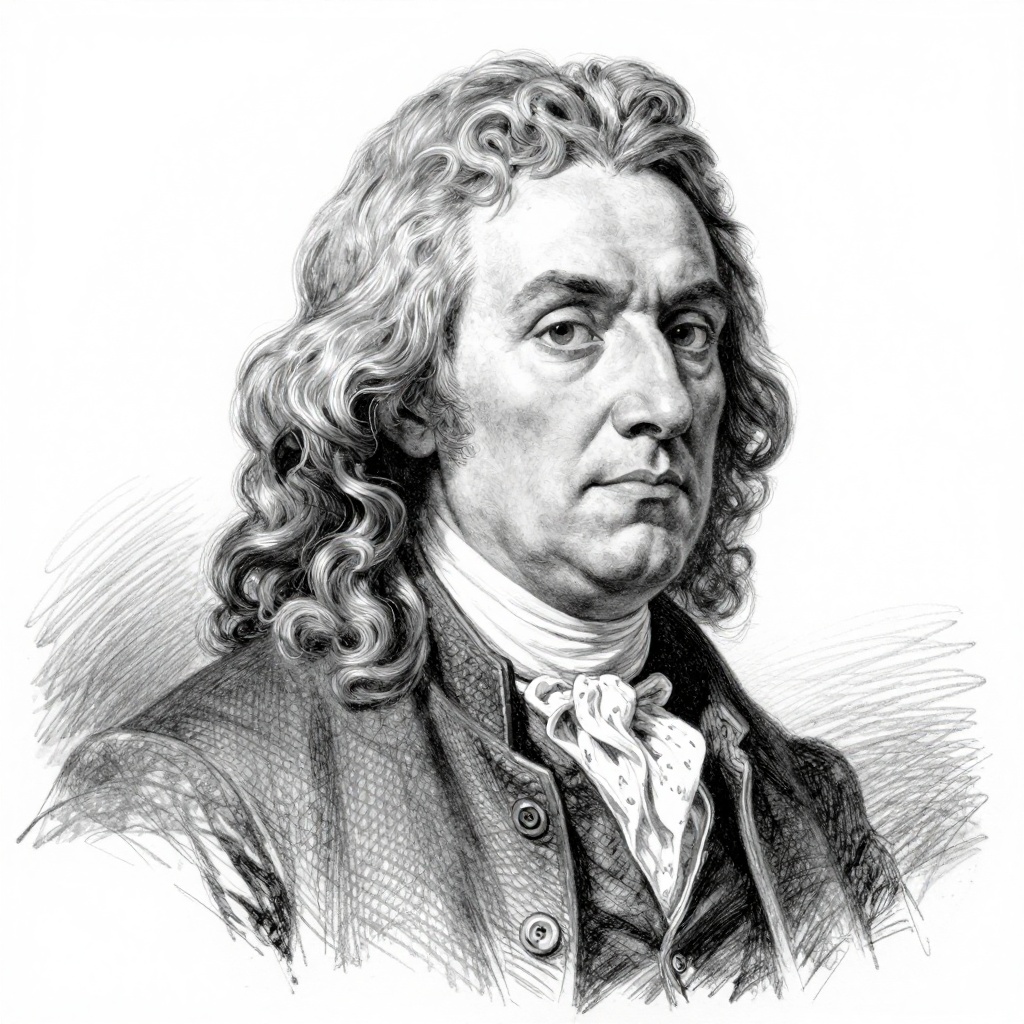
Denis Diderot was an 18th-century French philosopher, art critic, and writer. He is best known for being the editor-in-chief and a major contributor to the "Encyclopédie," a comprehensive and groundbreaking encyclopedia that aimed to compile and disseminate knowledge on a wide range of topics. Diderot's work in the Enlightenment period made significant contributions to philosophy, literature, and the advancement of human knowledge.
Comments