Quote · Added 14 February 2026
There is some self-interest behind every friendship. There is no friendship without self-interests. This is a bitter truth.
ChanakyaThe Quotable Chanakya
No ratings yet
Filed underfriendship·self-interest·truth
Quote · Added 14 February 2026
Filed underfriendship·self-interest·truth
Most of us want to believe our friendships are pure—that we stick around because we genuinely love someone, period. But here's what actually happens: you text your college friend more during rough patches because talking to them makes you feel less alone. You keep close to someone who makes you laugh because laughter is something you need. You maintain a friendship partly because that person validates you, or challenges you in ways you've come to depend on. These aren't betrayals of friendship. They're the actual machinery that makes friendship work.
The uncomfortable part is accepting that self-interest doesn't make a friendship shallow—it makes it real. Every relationship exists because both people get something from it, even if that something is as simple as "I feel like myself around you" or "they remind me I'm not crazy." The real problem isn't acknowledging this; it's the friendships where only one person is getting their needs met, and the other person pretends not to notice.
What changes when you accept this? You stop feeling guilty about choosing your own well-being. You get clearer about which friendships actually serve both people, which ones have curdled into obligation, and which ones are worth fighting for. The bitter truth becomes less bitter once you realize it's just the shape of how humans actually connect—mutual benefit masquerading as selflessness, and somehow that's exactly what love should look like.
d. 283
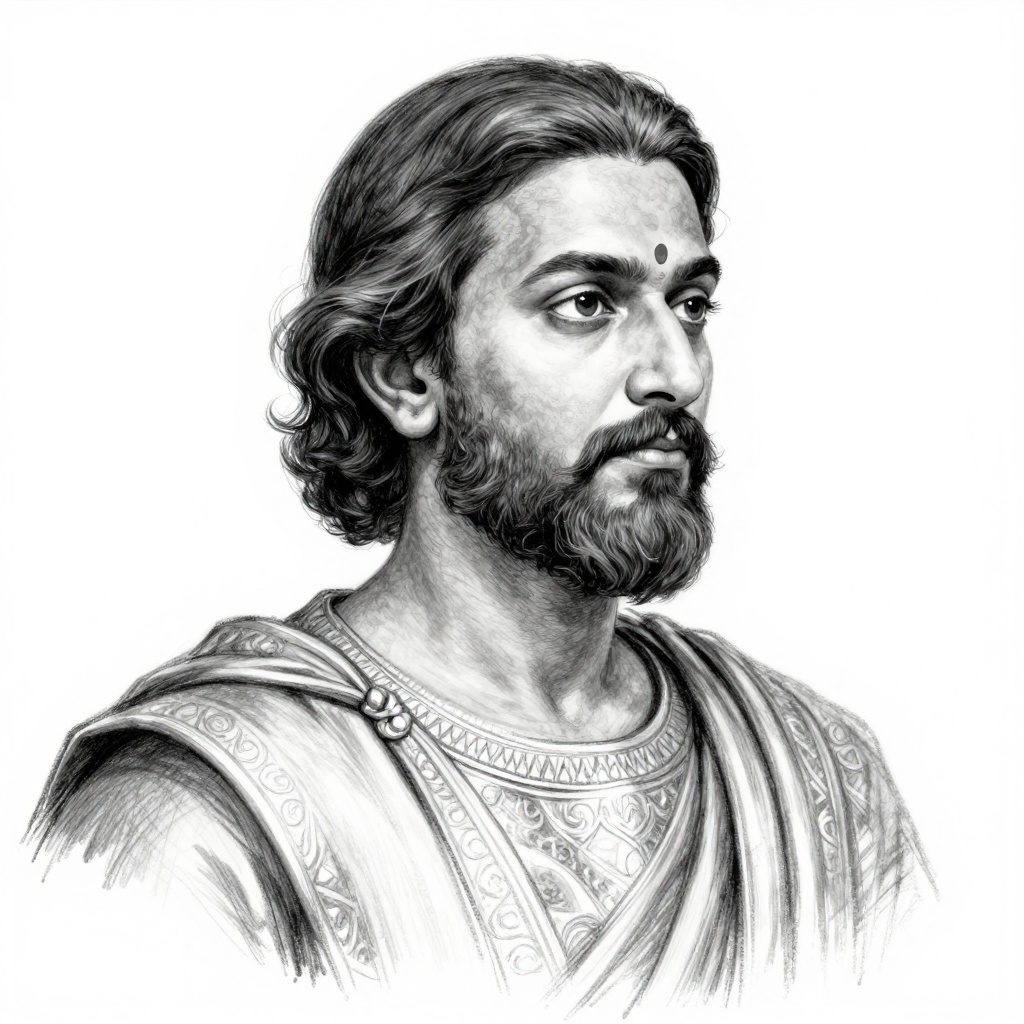
Chanakya, also known as Kautilya or Vishnugupta, was an ancient Indian teacher, economist, philosopher, and royal advisor. He is best known for his authorship of the Arthashastra, an ancient Indian treatise on statecraft, economic policy, and military strategy. Chanakya is renowned for being the chief architect behind the establishment of the Maurya Empire in ancient India.
Comments