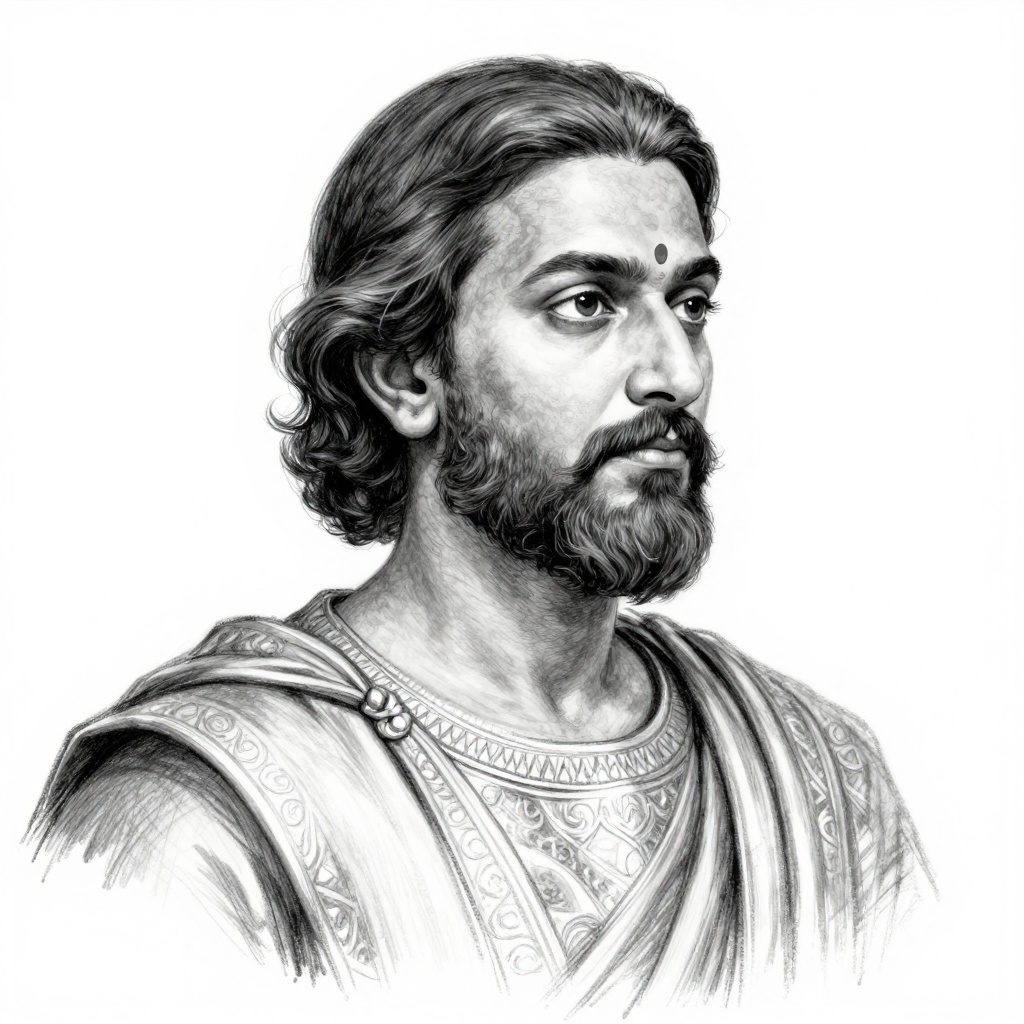
Before you start some work, always ask yourself three questions - Why am I doing it, What the results might be... — Chanakya

Before you start some work, always ask yourself three questions - Why am I doing it, What the results might be and Will I be successful. Only when you think deeply and find satisfactory answers to these questions, go ahead.

Author: Chanakya

Insight: Most of us dive into things with momentum already built—we're responding to pressure, following a habit, or just moving with the flow. The real friction point comes when we actually stop. That pause before you start something substantial reveals whether you're acting on purpose or just reacting. The three questions work because they're brutally practical: the "why" cuts through noise and ambition to find what actually matters to you. The second question about results forces you to imagine the real consequences, not just the best-case scenario. And asking about success honestly means confronting whether you have what it takes, or whether you're setting yourself up to fail. What makes this advice surprisingly modern is that we're drowning in options. Starting things is easier than ever, but we rarely stop to ask if we should. That initial friction—sitting with the questions for real, not just as a mental checkbox—is often exactly what separates people who build things that matter from those who accumulate unfinished projects and regrets. It's not about perfection or overthinking. It's about the clarity that comes from actually knowing what you're walking into.

The pause before you begin

Before you start some work, always ask yourself three questions - Why am I doing it, What the results might be and Will I be successful. Only when you think deeply and find satisfactory answers to these questions, go ahead.

Most of us dive into things with momentum already built—we're responding to pressure, following a habit, or just moving with the flow. The real friction point comes when we actually stop. That pause before you start something substantial reveals whether you're acting on purpose or just reacting. The three questions work because they're brutally practical: the "why" cuts through noise and ambition to find what actually matters to you. The second question about results forces you to imagine the real consequences, not just the best-case scenario. And asking about success honestly means confronting whether you have what it takes, or whether you're setting yourself up to fail.

What makes this advice surprisingly modern is that we're drowning in options. Starting things is easier than ever, but we rarely stop to ask if we should. That initial friction—sitting with the questions for real, not just as a mental checkbox—is often exactly what separates people who build things that matter from those who accumulate unfinished projects and regrets. It's not about perfection or overthinking. It's about the clarity that comes from actually knowing what you're walking into.

AI generated

Comments

Sign in to leave a comment or reply to one.

Sign in

Chanakya

Chanakya, also known as Kautilya or Vishnugupta, was an ancient Indian teacher, economist, philosopher, and royal advisor. He is best known for his authorship of the Arthashastra, an ancient Indian treatise on statecraft, economic policy, and military strategy. Chanakya is renowned for being the chief architect behind the establishment of the Maurya Empire in ancient India.

Graph

Related