Quote · Added 20 April 2024
Peace is not an absence of war, it is a virtue, a state of mind, a disposition for benevolence, confidence, justice.
Baruch SpinozaTheological-Political Treatise, 1670
No ratings yet
Quote · Added 20 April 2024
We often treat peace like a blank slate—the moment when nothing bad is happening. But that's a trap. Real peace isn't just the ceasefire; it's the mental soil that makes violence unlikely in the first place. It's confidence that people generally mean well, and a willingness to see fairness as the baseline, not a luxury. That means someone who's peaceful isn't just someone who isn't fighting—they're someone whose actual instinct is toward trust, generosity, and seeing others as fundamentally reasonable.
This matters because it flips how we think about our own role in the world. You can't wait for everyone else to calm down before you cultivate peace in yourself. The confidence and benevolence Spinoza describes aren't rewards for a peaceful world; they're the ingredients that create one. It's why two people can live in identical circumstances and one will see threat everywhere while the other stays open and trusting. One has developed this virtue; the other hasn't.
The unexpected part: this makes peace something you can actually work on today, in small interactions, rather than a distant political achievement that depends on everyone else changing first. Your disposition right now—whether you assume good faith or suspicion—is literally building the kind of peace you'll experience and create around you.
1632–1677·lived 44 years
Baruch Spinoza was a Dutch philosopher known for his rationalist approach and contributions to the fields of metaphysics, epistemology, and ethics. He is best known for his magnum opus, "Ethics," in which he explored the nature of God, the mind-body connection, and the concept of free will. Spinoza's ideas laid the groundwork for the Enlightenment and have had a lasting impact on Western philosophy.
Also by Baruch Spinoza
Fear cannot be without hope nor hope without fear.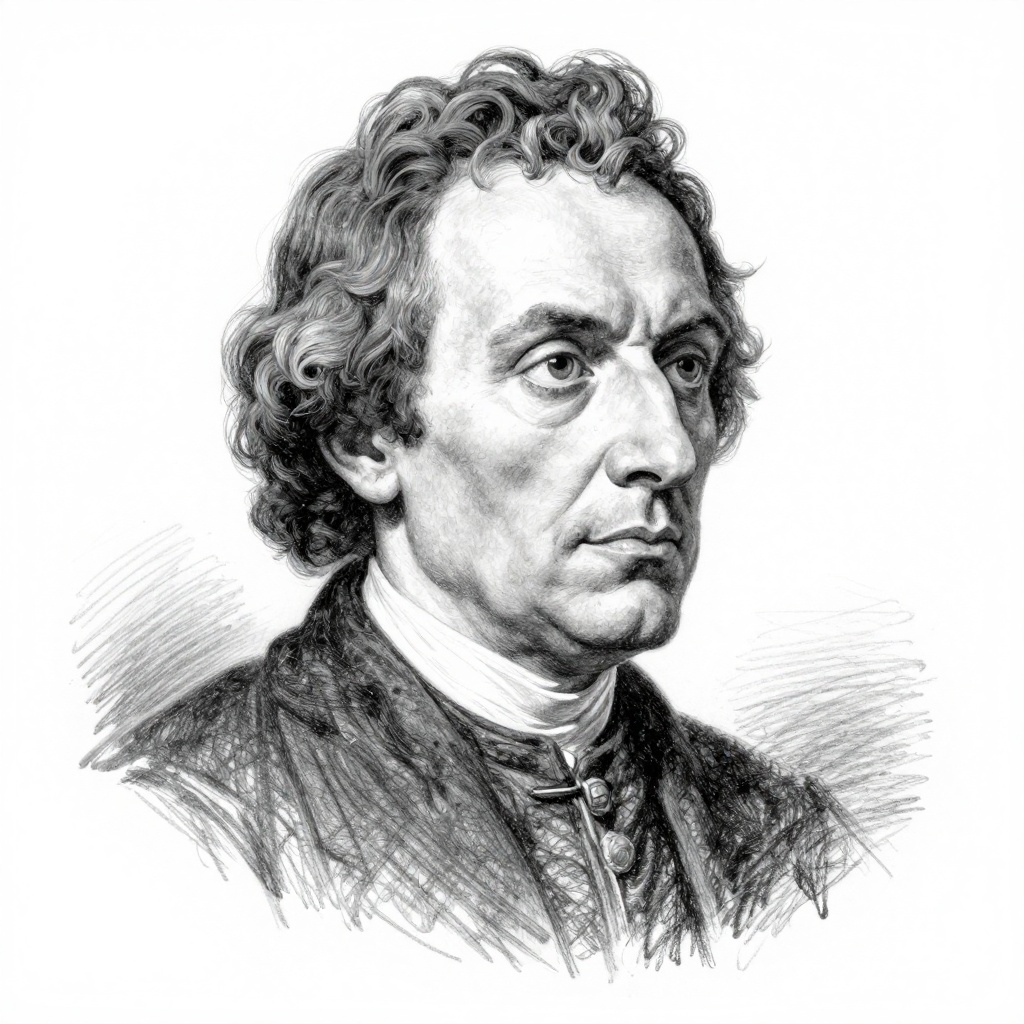
Comments