Quote · Added 28 February 2026
Fear cannot be without hope nor hope without fear.
No ratings yet
Quote · Added 28 February 2026
We usually treat fear and hope as opposites—like we're either worried or optimistic, but not both. Yet anyone who's actually lived knows this isn't true. The person anxious about their health secretly hopes for good test results. The entrepreneur terrified of failure is simultaneously betting on success. Fear and hope aren't enemies; they're bound together like two sides of the same coin.
Spinoza's insight cuts through our tendency to pretend we can have one without the other. If you genuinely don't care about an outcome, you feel neither fear nor hope about it. The intensity of your worry is actually proof that you want something to matter. You can't be afraid of losing what you don't hope to keep. This is why the people most paralyzed by fear often turn out to be the ones who care most deeply—about their relationships, their work, their future.
The practical payoff is surprisingly freeing. Instead of trying to eliminate fear or force optimism, you might recognize them as signals that something matters to you. That tension you feel isn't a flaw in your thinking. It's evidence that you're engaged with something real.
1632–1677·lived 44 years
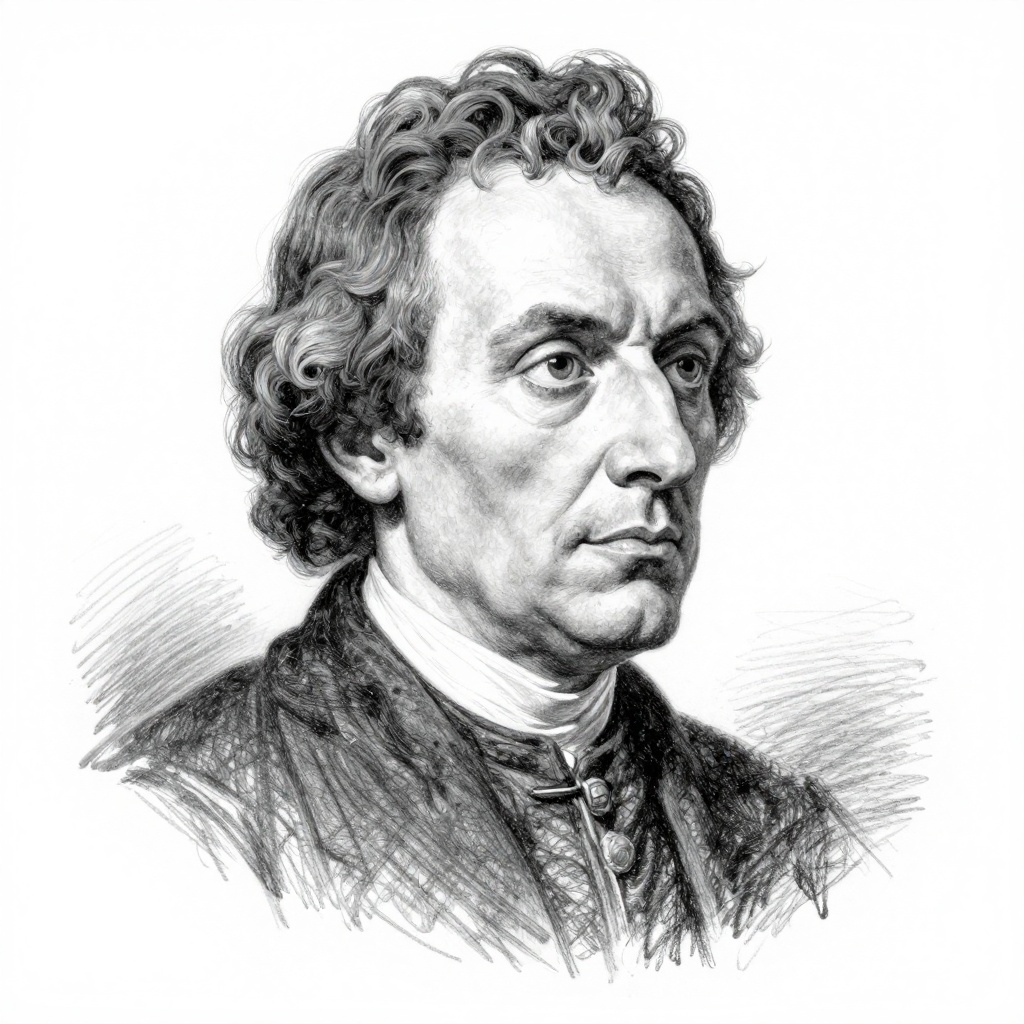
Baruch Spinoza was a Dutch philosopher known for his rationalist approach and contributions to the fields of metaphysics, epistemology, and ethics. He is best known for his magnum opus, "Ethics," in which he explored the nature of God, the mind-body connection, and the concept of free will. Spinoza's ideas laid the groundwork for the Enlightenment and have had a lasting impact on Western philosophy.
Comments