Quote · Added 14 February 2026
The highest activity a human being can attain is learning for understanding, because to understand is to be free.
Baruch SpinozaEthics, Part 5, 1677
No ratings yet
Filed underlearning·freedom·understanding
Quote · Added 14 February 2026
Filed underlearning·freedom·understanding
We often think of freedom as the absence of restrictions—sleeping in, saying no to plans, doing whatever we want. But Spinoza points to something stranger and more powerful: that real freedom comes from understanding. Once you actually grasp why something works, why you react a certain way, or how a system fits together, you're no longer pushed around by it blindly. You have choices.
This matters more now than ever, surrounded by information we half-digest. We scroll headlines without understanding the story. We follow rules we've never questioned. We feel anxious without examining what we're actually afraid of. In each case, we're trapped—not by bars, but by confusion. The antidote isn't rebellion or distraction. It's curiosity that goes deep enough to genuinely comprehend.
The quiet insight here is that understanding itself feels different. That moment when something clicks—when you finally see how your childhood shaped a habit, or why a relationship dynamic keeps repeating—there's a real sensation of expansion. You're no longer at the mercy of forces you don't see. You become the author of your own responses instead of just their subject.
1632–1677·lived 44 years
Baruch Spinoza was a Dutch philosopher known for his rationalist approach and contributions to the fields of metaphysics, epistemology, and ethics. He is best known for his magnum opus, "Ethics," in which he explored the nature of God, the mind-body connection, and the concept of free will. Spinoza's ideas laid the groundwork for the Enlightenment and have had a lasting impact on Western philosophy.
Also by Baruch Spinoza
Fear cannot be without hope nor hope without fear.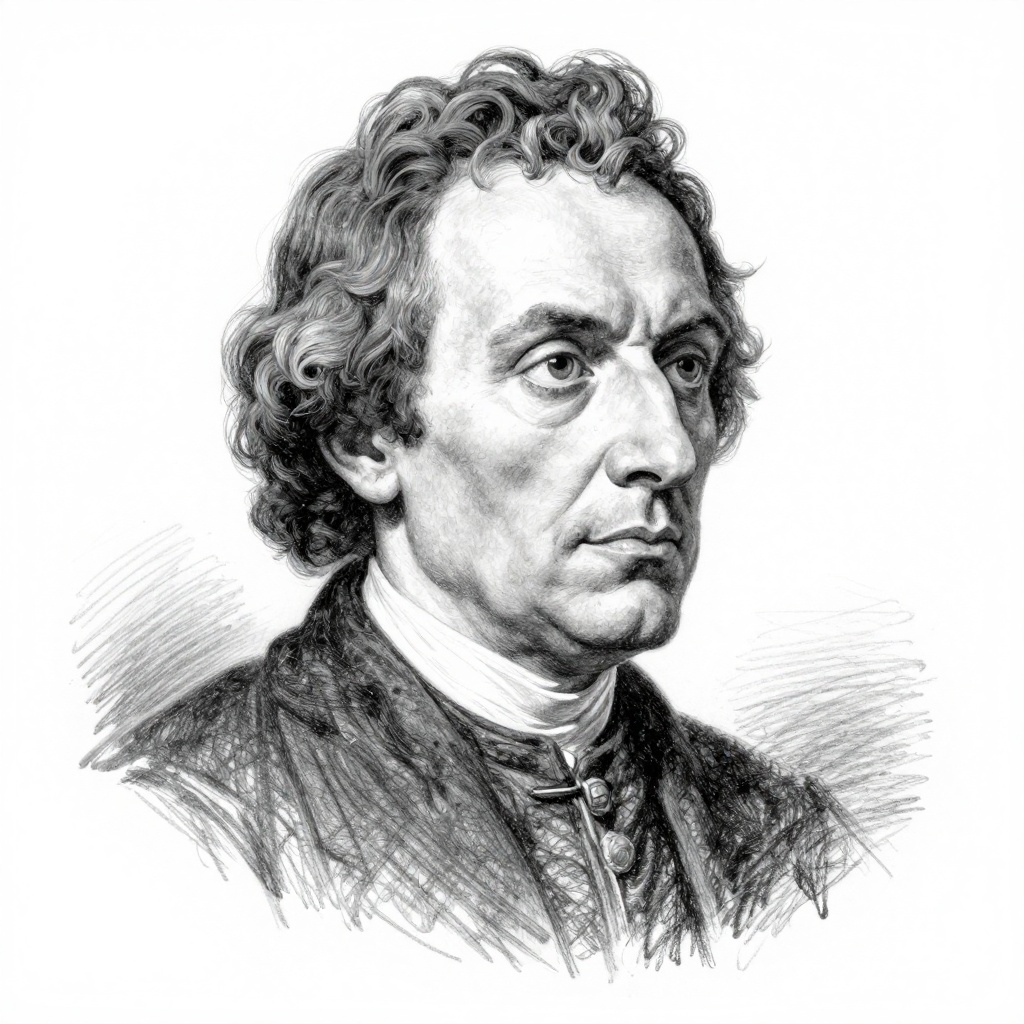
Comments