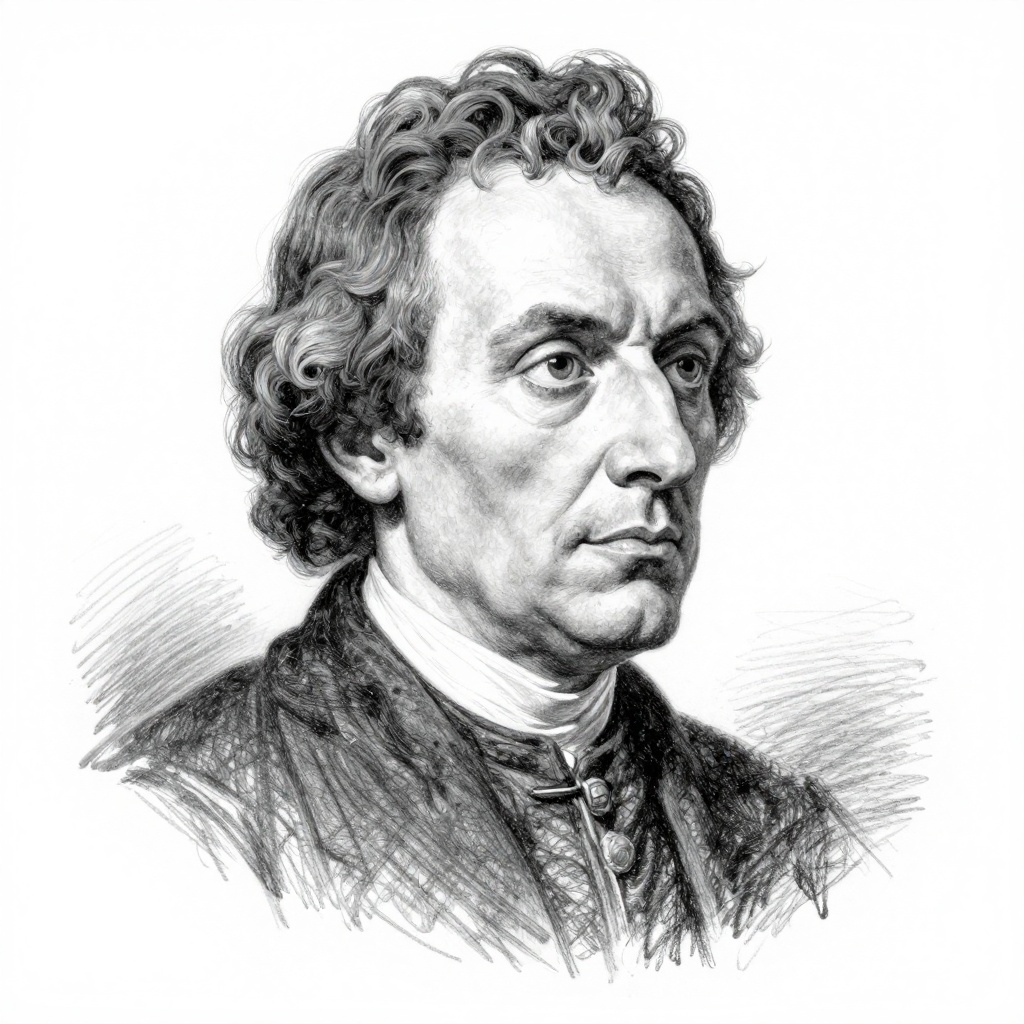
I have made a ceaseless effort not to ridicule, not to bewail, not to scorn human actions, but to understand t... — Baruch Spinoza
I have made a ceaseless effort not to ridicule, not to bewail, not to scorn human actions, but to understand them.
Author: Baruch Spinoza
Insight: Most of us default to judging. We see someone make a choice we wouldn't make—waste money, pick a fight, stay in something harmful—and our first move is mockery, pity, or contempt. It feels justified because we'd never. But Spinoza is suggesting something harder: understanding why someone did what they did might actually be more useful than the satisfaction of being right about them. This matters now because judgment is so easy to broadcast. Social media rewards the witty takedown, the eye-roll emoji, the performance of moral superiority. But understanding requires something less glamorous: curiosity about circumstance, hunger for context, willingness to imagine constraints you don't face. It doesn't mean accepting everything people do. It means recognizing that most human mess comes from limitation, fear, or information gaps—not malice. The person making terrible decisions is usually not a cartoon villain; they're operating with whatever they understood at the time. The non-obvious part? Understanding people doesn't make you softer or more gullible. It actually makes you clearer. When you know why someone acts, you're not stuck recycling your judgment. You can respond to what's really happening instead of what offends you.