Quote · Added 14 February 2026
Respect yourself if you would have others respect you.
Baltasar GracianThe Art of Worldly Wisdom, 1647
No ratings yet
Filed underrespect·self-worth·dignity
Quote · Added 14 February 2026
Filed underrespect·self-worth·dignity
We often get this backwards. We wait for others to treat us well, hoping that respect will somehow arrive from the outside in. But respect doesn't work like that—it's not a gift people hand you once you've proven yourself worthy enough. It's more like a frequency you broadcast. When you set real standards for how you'll spend your time, what you'll tolerate, what matters to you, people pick up on that immediately. They adjust how they talk to you, what they ask of you, whether they cancel plans last-minute.
The tricky part is that self-respect isn't confidence or thinking you're amazing. It's simpler and harder than that. It's keeping small promises to yourself. It's saying no without over-explaining. It's not staying in situations that diminish you, not out of anger but because you've decided you're worth something better. This shows. People sense when you actually believe that, when it's not an act.
What's interesting is that self-respect often feels selfish when you're starting—like you're being difficult or high-maintenance. But the opposite is true. People respect someone who has actual standards far more than someone desperately seeking approval. Respect is magnetic. Once you stop performing for it and start protecting it, it tends to find you.
1601–1658·lived 57 years
Baltasar Gracián was a Spanish Jesuit priest and philosopher born on January 8, 1601, in Belmes, Spain. He is best known for his works on baroque philosophy and moral essays, particularly "The Art of Worldly Wisdom," which provides guidance on navigating social and political life with shrewdness and ethical insight. Gracián's writings have influenced a range of thinkers and writers, making him a significant figure in Spanish literature and philosophy.
Also by Baltasar Gracian
Let him that hath no power of patience retire within himself, though even there he will ha...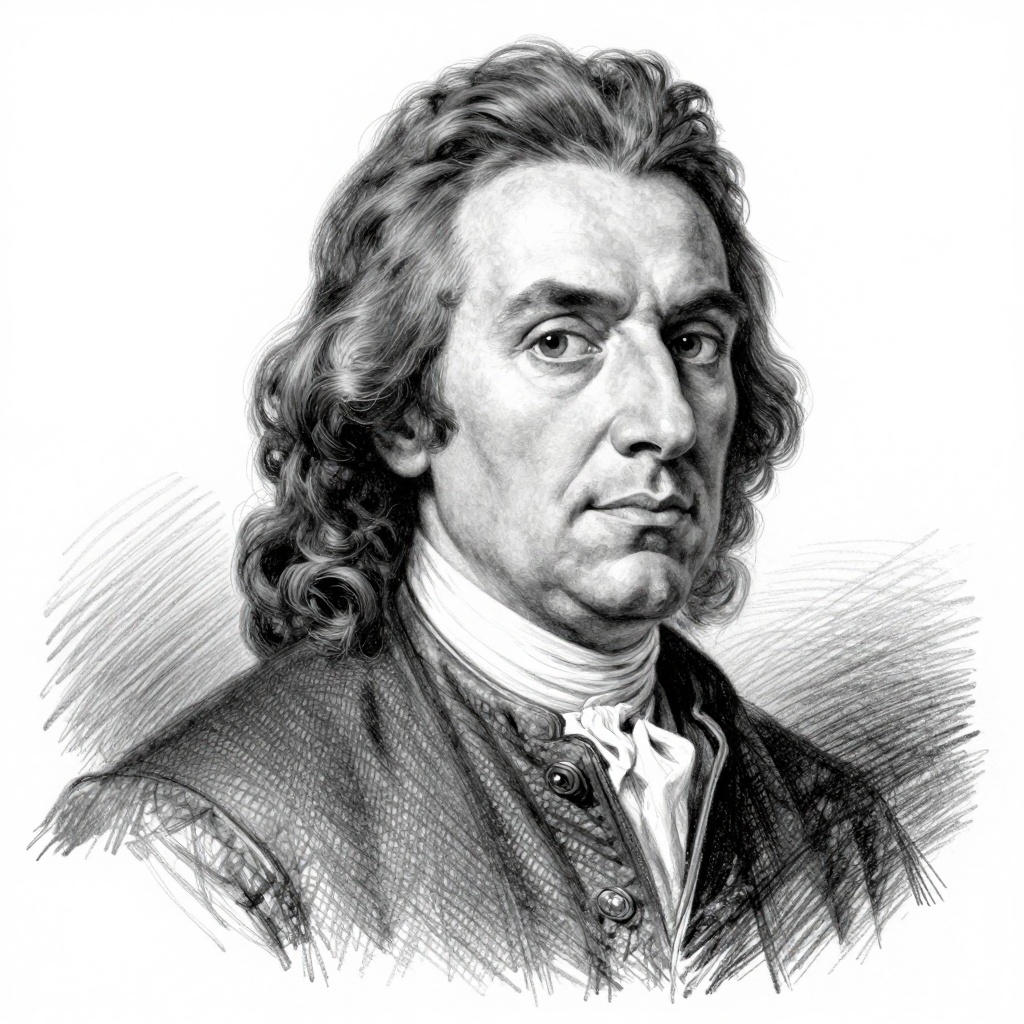
Comments