Quote · Added 14 February 2026
Know or listen to those who know.
Baltasar GracianThe Art of Worldly Wisdom, 1647
No ratings yet
Quote · Added 14 February 2026
There's a particular kind of pride that stops us from asking for help or admitting we don't understand something. We live in an age where information is everywhere, yet we're often too stubborn or embarrassed to actually listen to someone who's figured things out already. Gracian's advice cuts through that—he's not saying you need to know everything yourself. He's saying the smarter move is recognizing expertise when you find it and actually absorbing what it has to teach you.
The trick is that this requires a kind of humility that doesn't come naturally. It means sitting with someone who understands their field—whether that's parenting, finance, carpentry, or grief—and resisting the urge to half-listen while planning your rebuttal. Most of us collect information passively, scrolling headlines or half-watching videos. Real learning happens when you genuinely listen, ask follow-up questions, and let someone else's hard-won knowledge reshape how you think.
What makes this timeless is that it works both ways. If you do know something deeply, it's worth sharing. And if you don't, it's worth finding someone who does and giving them your real attention. That exchange—between the knowledgeable and the genuinely curious—is how wisdom actually moves through the world.
1601–1658·lived 57 years
Baltasar Gracián was a Spanish Jesuit priest and philosopher born on January 8, 1601, in Belmes, Spain. He is best known for his works on baroque philosophy and moral essays, particularly "The Art of Worldly Wisdom," which provides guidance on navigating social and political life with shrewdness and ethical insight. Gracián's writings have influenced a range of thinkers and writers, making him a significant figure in Spanish literature and philosophy.
Also by Baltasar Gracian
Let him that hath no power of patience retire within himself, though even there he will ha...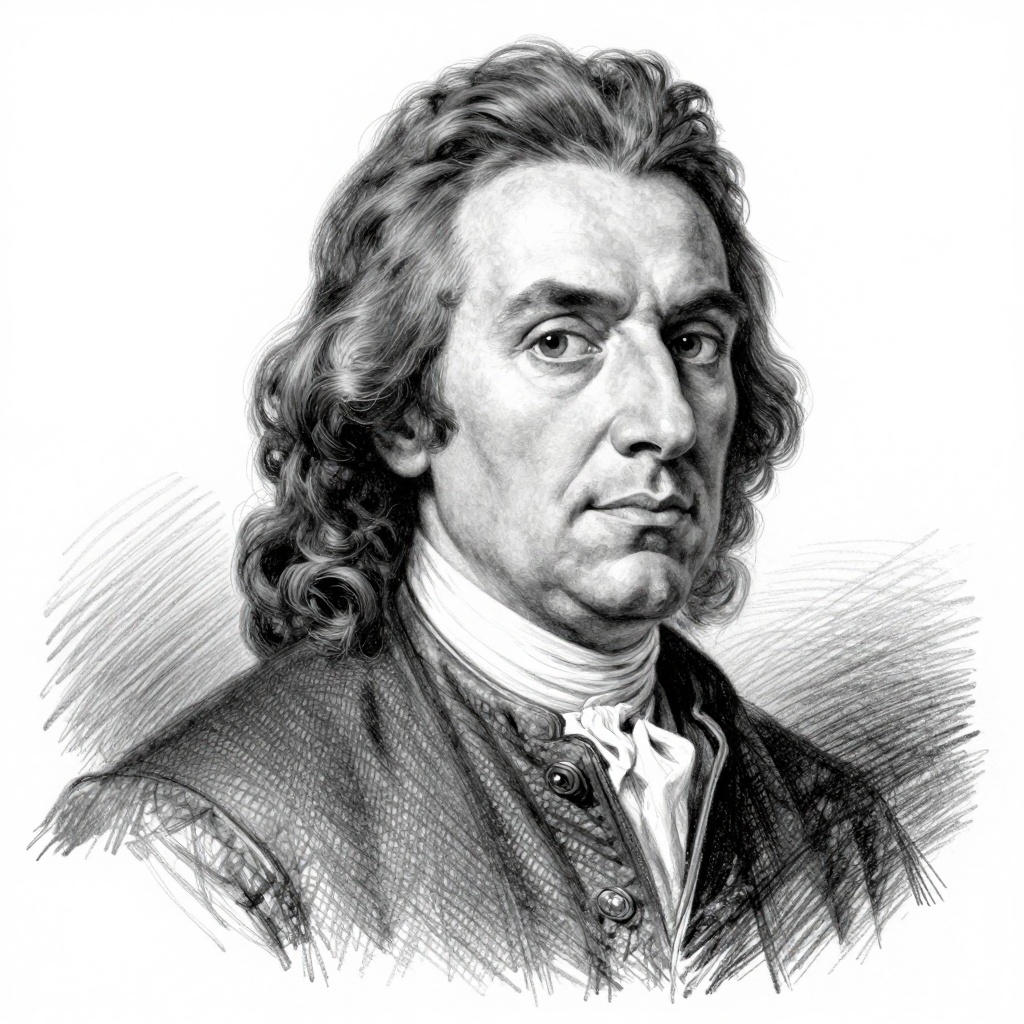
Comments