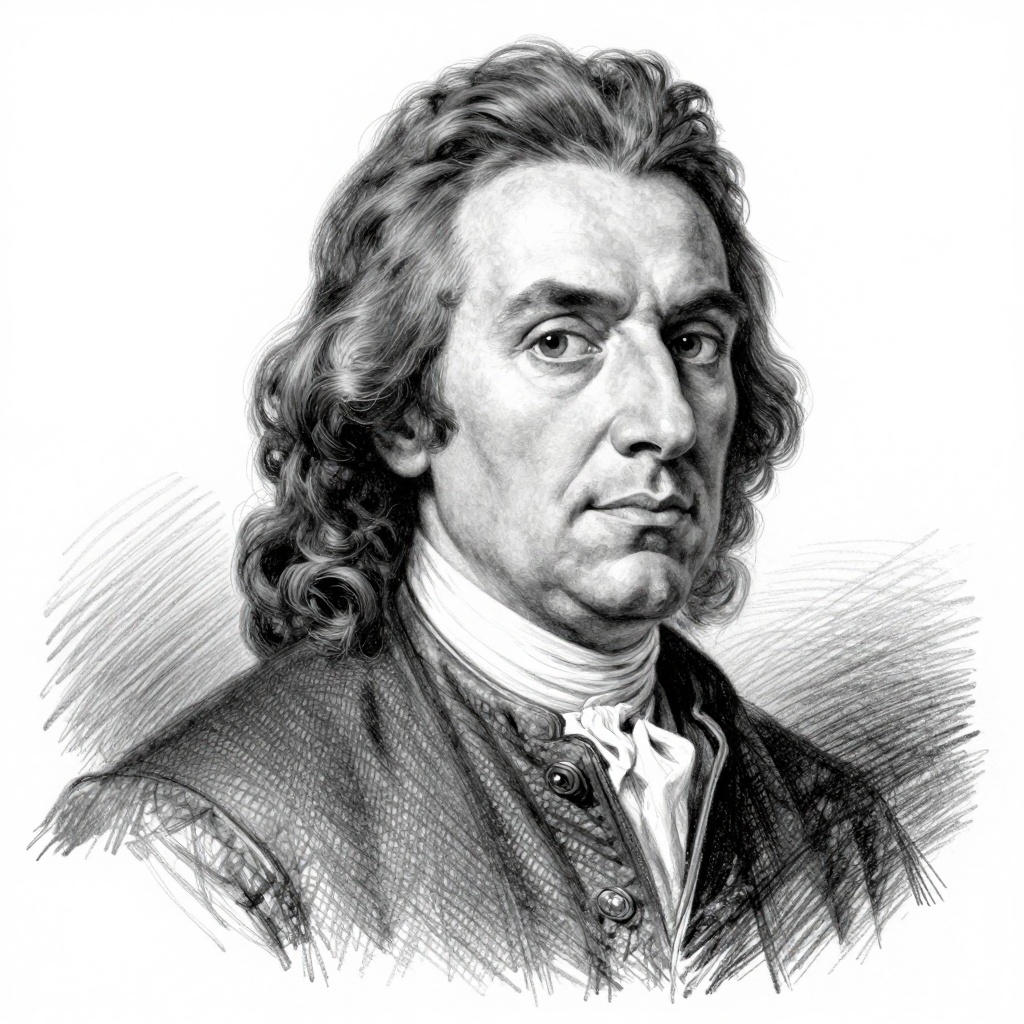
Let him that hath no power of patience retire within himself, though even there he will have to put up with hi... — Baltasar Gracian

Let him that hath no power of patience retire within himself, though even there he will have to put up with himself.

Author: Baltasar Gracian

Insight: There's a sharp joke buried in this 17th-century observation: if you can't handle waiting for things outside yourself, you'll discover that your own mind is actually your worst enemy. Patience isn't just about standing in line or letting others finish speaking. It's about tolerating friction, delay, and the gap between what you want and what's happening right now. When that friction shows up, impatient people often retreat into their own heads—only to find themselves trapped with their own racing thoughts, self-doubt, and restlessness. You can't escape yourself by going inward if you don't have the patience to be alone with who you are. This hits harder in our moment than ever. We've outsourced so much of our waiting to screens and notifications that we've never actually built patience as a skill. That means when life forces slowness on us—a difficult project, a relationship that won't resolve overnight, a goal that takes years—we don't just feel frustrated externally. We turn that frustration inward and become our own worst company. The quiet desperation of scrolling through your phone at midnight isn't really about the phone. It's about not having the internal resources to sit with yourself for five minutes without needing escape. The real problem isn't patience with the world. It's learning to be patient with yourself.

Your worst enemy lives inside

Let him that hath no power of patience retire within himself, though even there he will have to put up with himself.

There's a sharp joke buried in this 17th-century observation: if you can't handle waiting for things outside yourself, you'll discover that your own mind is actually your worst enemy. Patience isn't just about standing in line or letting others finish speaking. It's about tolerating friction, delay, and the gap between what you want and what's happening right now. When that friction shows up, impatient people often retreat into their own heads—only to find themselves trapped with their own racing thoughts, self-doubt, and restlessness. You can't escape yourself by going inward if you don't have the patience to be alone with who you are.

This hits harder in our moment than ever. We've outsourced so much of our waiting to screens and notifications that we've never actually built patience as a skill. That means when life forces slowness on us—a difficult project, a relationship that won't resolve overnight, a goal that takes years—we don't just feel frustrated externally. We turn that frustration inward and become our own worst company. The quiet desperation of scrolling through your phone at midnight isn't really about the phone. It's about not having the internal resources to sit with yourself for five minutes without needing escape.

The real problem isn't patience with the world. It's learning to be patient with yourself.

AI generated

Comments

Sign in to leave a comment or reply to one.

Sign in

Baltasar Gracian

Baltasar Gracián was a Spanish Jesuit priest and philosopher born on January 8, 1601, in Belmes, Spain. He is best known for his works on baroque philosophy and moral essays, particularly "The Art of Worldly Wisdom," which provides guidance on navigating social and political life with shrewdness and ethical insight. Gracián's writings have influenced a range of thinkers and writers, making him a significant figure in Spanish literature and philosophy.

Graph

Related