Quote · Added 1 July 2024
There is only one way to avoid criticism: do nothing, say nothing, and be nothing.
AristotleLittle Journeys to the Homes of American Statesmen, Elbert Hubbard, 1898
Quote · Added 1 July 2024
The moment you put something into the world—an idea, a project, a choice about how to live—someone will find fault with it. This isn't a flaw in the system; it's almost a law of nature. The only guaranteed escape is to disappear into total invisibility, which of course comes with its own massive cost: your own life becomes invisible too.
Most of us spend energy trying to thread this impossible needle, crafting opinions we think won't offend anyone or pursuing paths that won't invite judgment. But that restraint itself becomes a kind of criticism we direct inward. We become small versions of ourselves, playing it safe. The real insight here isn't that criticism is worth ignoring—sometimes feedback points to genuine problems. It's that the fear of criticism, when it's the primary decision-maker in your life, is actually more limiting than any critical comment could ever be.
The trade-off is straightforward: do something meaningful and accept that some people won't like it, or do nothing and enjoy a hollow kind of peace. Most people, looking back at their lives, regret the things they didn't attempt far more than the things they tried and got criticized for.
d. 322
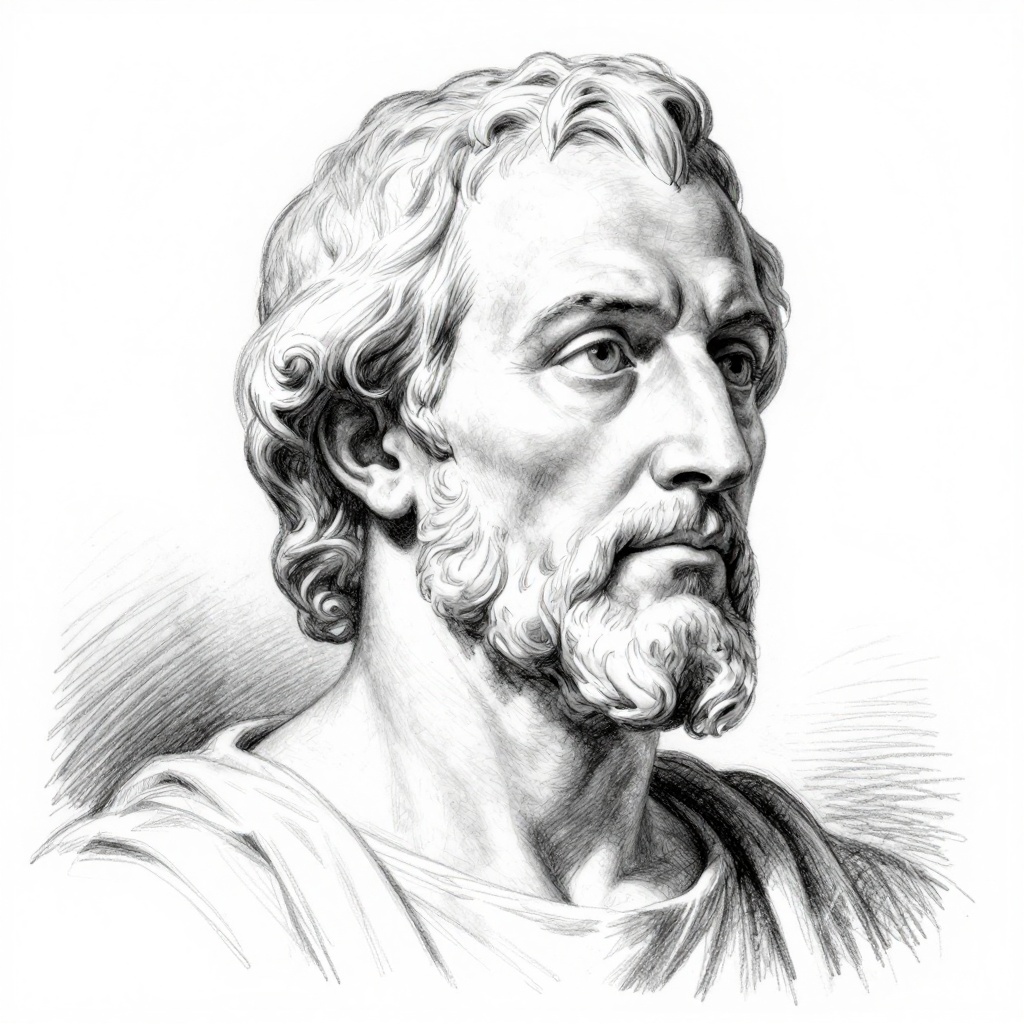
Aristotle was a Greek philosopher and polymath who lived from 384 to 322 BC. He is known for being one of the greatest thinkers in Western philosophy and for his contributions to a wide array of subjects including metaphysics, ethics, politics, biology, and logic. Aristotle was a student of Plato and the teacher of Alexander the Great.
Comments