Quote · Added 14 February 2026
The worst form of inequality is to try to make unequal things equal.
AristotleNicomachean Ethics, 2000
Filed underinequality·fairness·justice
Quote · Added 14 February 2026
Filed underinequality·fairness·justice
We live in an age that celebrates equal treatment as the ultimate good, which is mostly right—but Aristotle's warning cuts deeper than it first appears. He's pointing out that true fairness sometimes means treating people differently, based on their actual circumstances, needs, or abilities.
Think about how this plays out in real life. A child learning to read needs different instruction than an adult who already reads fluently. Someone recovering from an injury needs different work conditions than someone healthy. Pretending these differences don't exist, or forcing identical treatment on everyone, doesn't create fairness—it creates new injustices. The struggling reader gets more frustrated; the recovering worker gets reinjured. This is where well-meaning policies can backfire, when they ignore the specific reality of who needs what.
The counterintuitive part is that acknowledging difference is what actually serves equality. It means looking at what people truly need to reach the same starting line, not insisting everyone stand on the same line from the beginning. The hard part—and why this idea matters now—is that recognizing genuine differences requires actual attention to individuals, not just abstract principles. It's messier than uniform rules, but fairness usually is.
d. 322
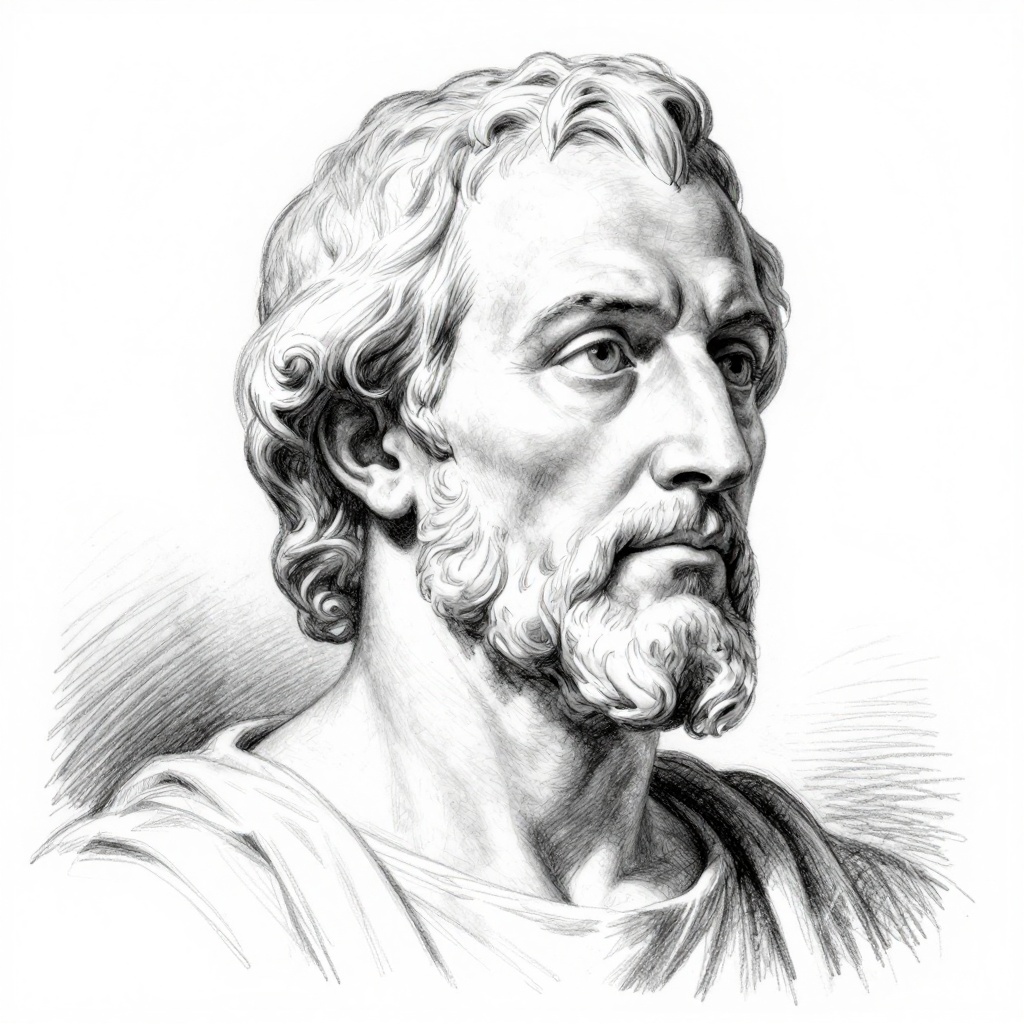
Aristotle was a Greek philosopher and polymath who lived from 384 to 322 BC. He is known for being one of the greatest thinkers in Western philosophy and for his contributions to a wide array of subjects including metaphysics, ethics, politics, biology, and logic. Aristotle was a student of Plato and the teacher of Alexander the Great.
Comments