Quote · Added 14 February 2026
The end of labor is to gain leisure.
AristotleNicomachean Ethics, Book X, 350 BC
Quote · Added 14 February 2026
We tend to flip this backwards. We treat leisure as something we squeeze into the gaps left by work, a reward for being productive enough. But Aristotle saw it differently: work exists to create the space for what actually matters—thinking, creating, being with people, pursuing what interests you.
This hits harder now than ever. We've got more time-saving technology than Aristotle could imagine, yet somehow feel busier. We've made the mistake of treating leisure as laziness or indulgence rather than the whole point of the effort. We work longer hours to buy things we don't have time to enjoy, then feel guilty when we're not working. The treadmill moves faster but we never actually arrive anywhere.
The twist is that this doesn't mean you should quit your job tomorrow. It means being honest about why you're working and what you're sacrificing for it. If your job is consuming your leisure completely—your time to think, to rest, to do things just because they matter to you—then something's out of balance. Real productivity isn't about how much you accomplish at work. It's whether your work is actually creating space for a life worth living.
d. 322
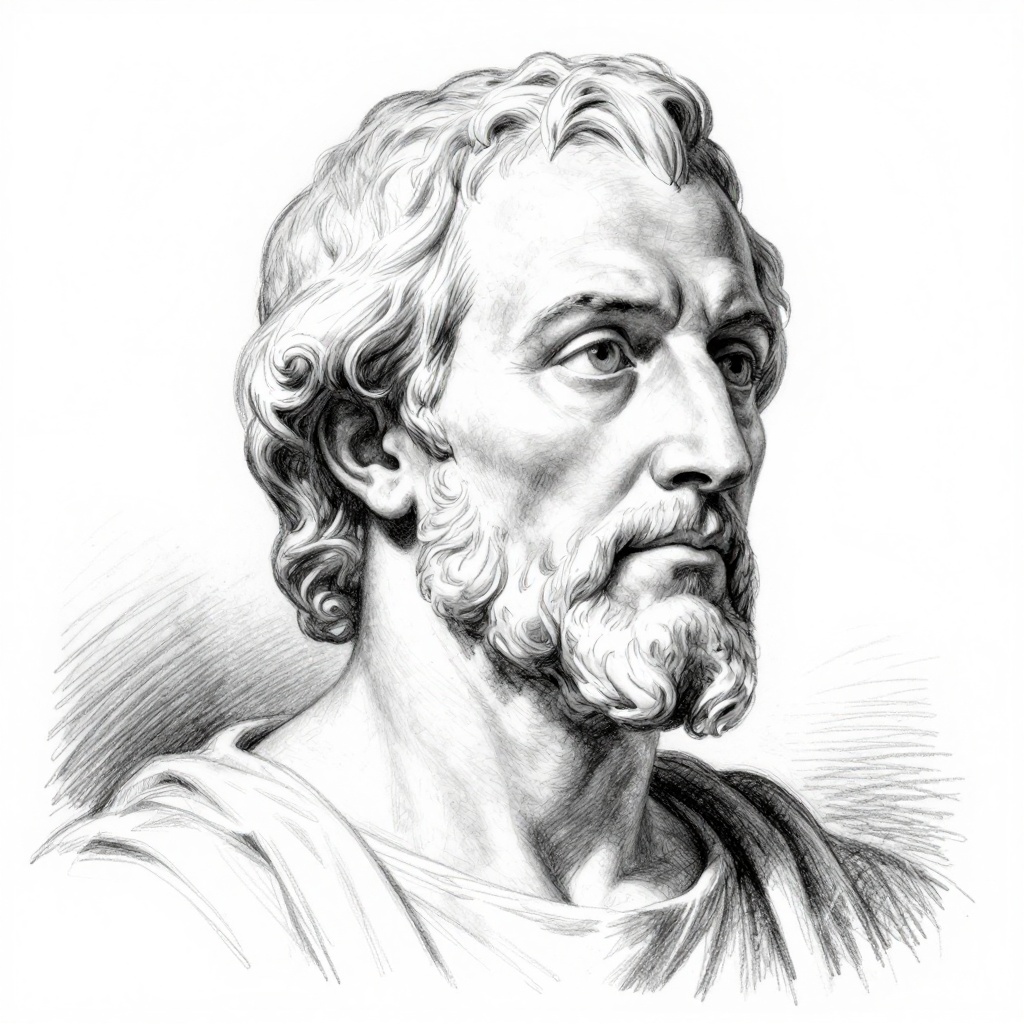
Aristotle was a Greek philosopher and polymath who lived from 384 to 322 BC. He is known for being one of the greatest thinkers in Western philosophy and for his contributions to a wide array of subjects including metaphysics, ethics, politics, biology, and logic. Aristotle was a student of Plato and the teacher of Alexander the Great.
Comments