Quote · Added 14 February 2026
Courage is the first of human qualities because it is the quality which guarantees the others.
AristotleNicomachean Ethics, Book III, 350 BC
Quote · Added 14 February 2026
We often think of courage as something reserved for soldiers or whistleblowers—moments of dramatic, life-or-death choice. But Aristotle was pointing at something quieter and stranger: that courage is actually foundational to everything else we try to become.
Think about why people stay silent when they disagree, or abandon their own values to fit in, or never start the thing they actually care about. It's rarely because they lack wisdom or kindness. It's because they lack the basic courage to face discomfort, judgment, or failure. Without that willingness to feel afraid and act anyway, all your other good intentions just stay trapped inside. You can know exactly what honesty or integrity looks like, but you won't live it without the nerve to pay whatever price it demands.
The real insight is that courage isn't one quality among many—it's the one that unlocks all the others. It's what lets you be honest when lying would be easier, or kind when cruelty would protect you, or patient when rushing would feel safer. Every other virtue needs courage to actually show up in the world.
d. 322
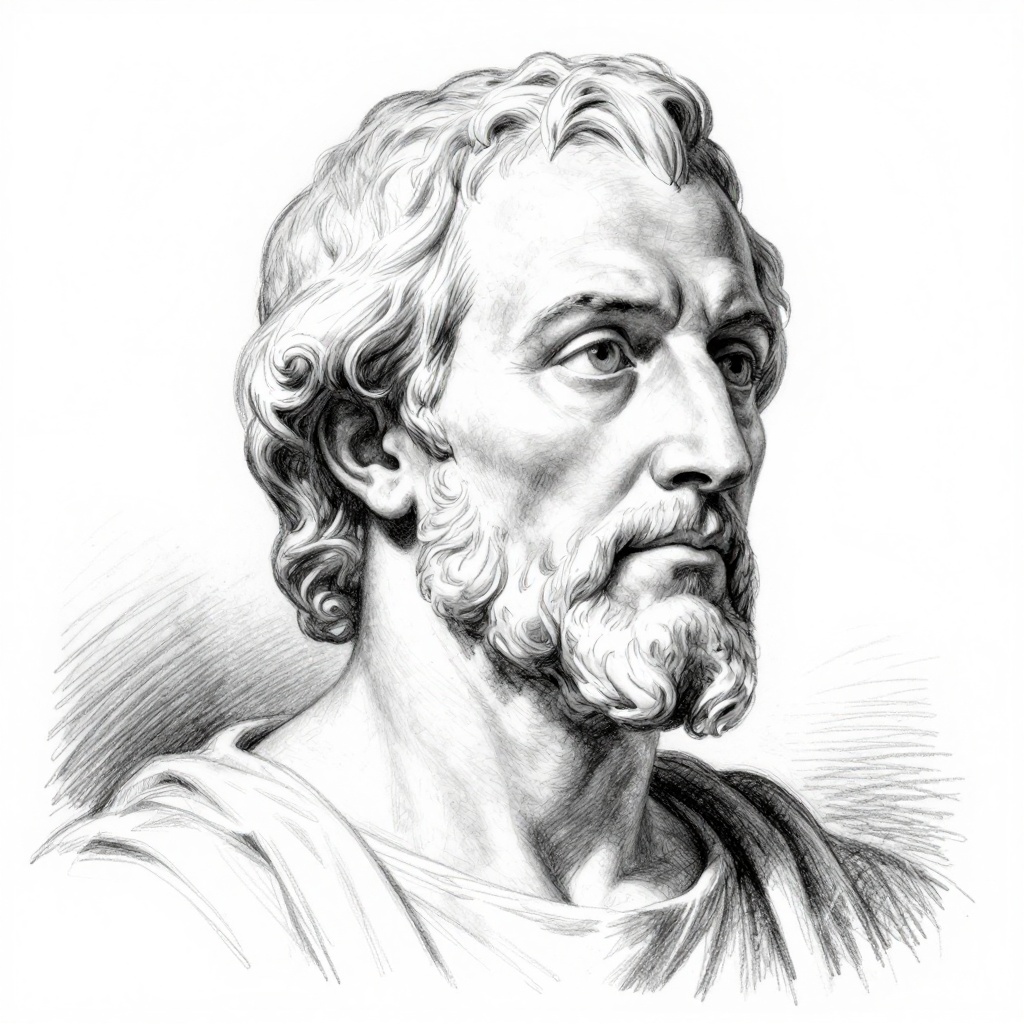
Aristotle was a Greek philosopher and polymath who lived from 384 to 322 BC. He is known for being one of the greatest thinkers in Western philosophy and for his contributions to a wide array of subjects including metaphysics, ethics, politics, biology, and logic. Aristotle was a student of Plato and the teacher of Alexander the Great.
Comments