Quote · Added 14 February 2026
Character may almost be called the most effective means of persuasion.
AristotleRhetoric, Book I, 350 BC
Filed undercharacter·persuasion·integrity
Quote · Added 14 February 2026
Filed undercharacter·persuasion·integrity
We live in an age of slick messaging and perfect branding, yet we still trust people we don't fully know based on something deeper than their words. When a friend admits they were wrong, or a colleague stays calm under pressure, or someone follows through on a small promise—that's what actually moves us. Aristotle understood that charisma and rhetoric fade, but who someone actually is lingers.
The twist is that character works precisely because it's harder to fake than arguments are. Anyone can construct a clever case for why you should believe them, but consistency over time—showing up, keeping your word, admitting limitations—that's real. It's why we're often disappointed by famous figures with polished PR but hollow actions, and why we remember the quiet person who simply did what they said they would.
This matters now because we're drowning in persuasion attempts. Every platform, every brand, every influencer is optimized to convince you of something. But if you pay attention to who actually changes your mind, it's rarely the slickest pitch. It's someone whose actions match their words. That alignment—that character—is the thing that actually lands.
d. 322
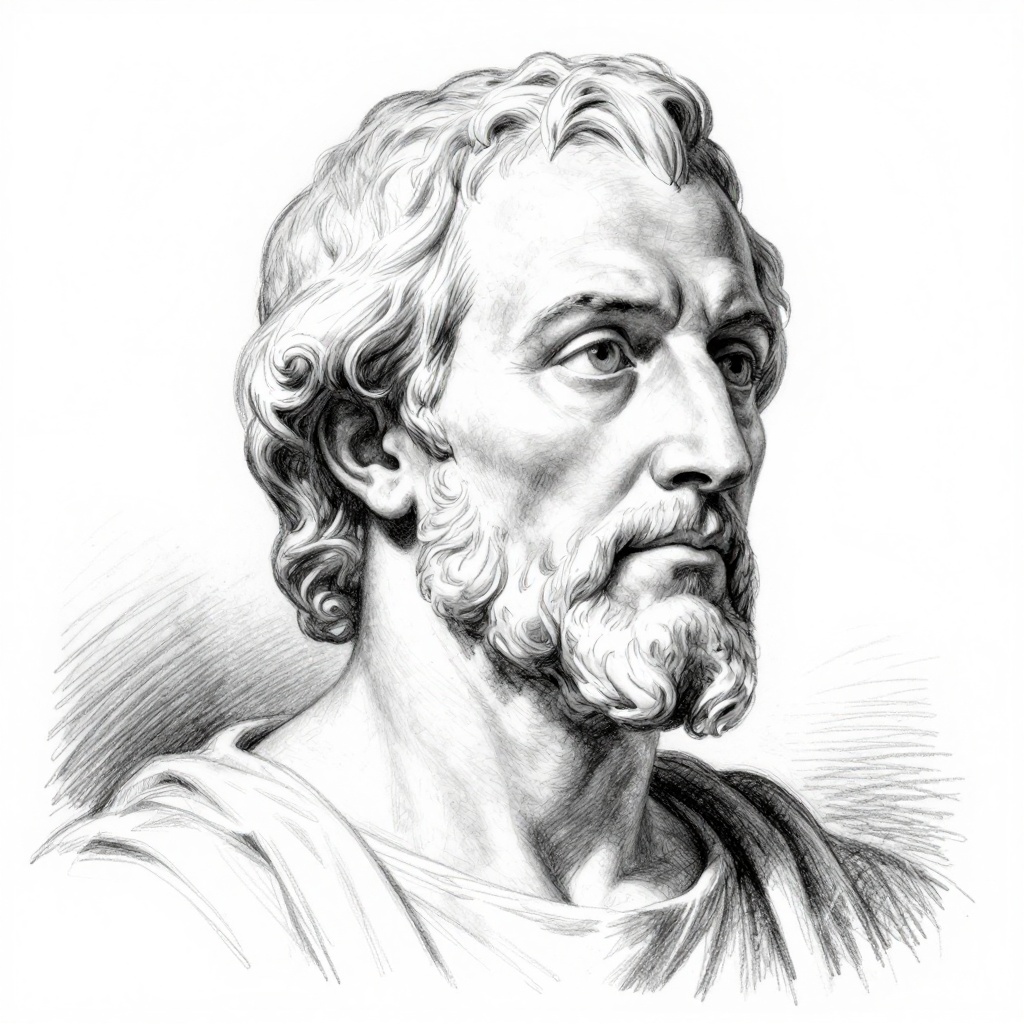
Aristotle was a Greek philosopher and polymath who lived from 384 to 322 BC. He is known for being one of the greatest thinkers in Western philosophy and for his contributions to a wide array of subjects including metaphysics, ethics, politics, biology, and logic. Aristotle was a student of Plato and the teacher of Alexander the Great.
Comments