Quote · Added 12 February 2026
Sweater, n.: garment worn by child when its mother is feeling chilly.
Ambrose BierceThe Devil's Dictionary, 1911
Quote · Added 12 February 2026
Most of us recognize this the moment we read it. A parent's comfort becomes the child's wardrobe, not because the kid actually needs it, but because the adult's internal thermostat is doing the deciding. It's funny because it's true—and it reveals something we don't often admit: how much of what we think are our own choices are actually someone else's preferences dressed up as necessity.
The strange part is how this works both ways across our lives. We dress our kids in sweaters for our peace of mind. We convince ourselves we're hungry because someone else suggested lunch. We feel obligated to attend events because it makes others comfortable. Bierce's joke points to a kind of invisible power we all exercise without thinking about it—we project our needs onto the people around us and call it care. Sometimes it actually is care. But sometimes we're just passing along our own anxieties and expecting others to wear them.
The real insight isn't that parents are wrong to do this. It's that we rarely stop to ask: whose comfort am I actually serving right now? Learning to notice that difference—between protecting someone and protecting ourselves—might be one of the most useful things we can learn.
1842–1914·lived 72 years
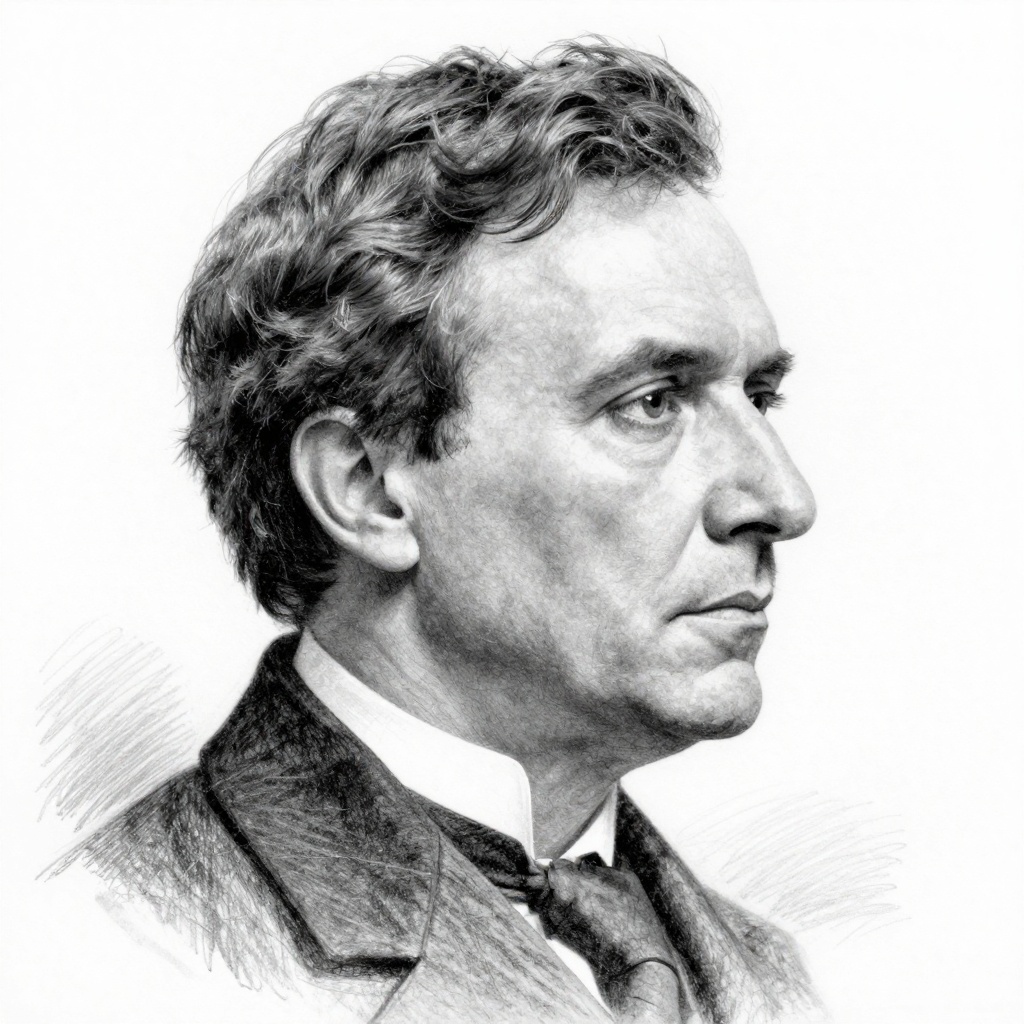
Ambrose Bierce was an American writer and journalist known for his satirical wit and dark humor. He served as a soldier in the Union Army during the American Civil War, an experience which influenced his writing. Bierce is best known for his short stories such as "An Occurrence at Owl Creek Bridge" and his biting critique of society in works like "The Devil's Dictionary."
Comments