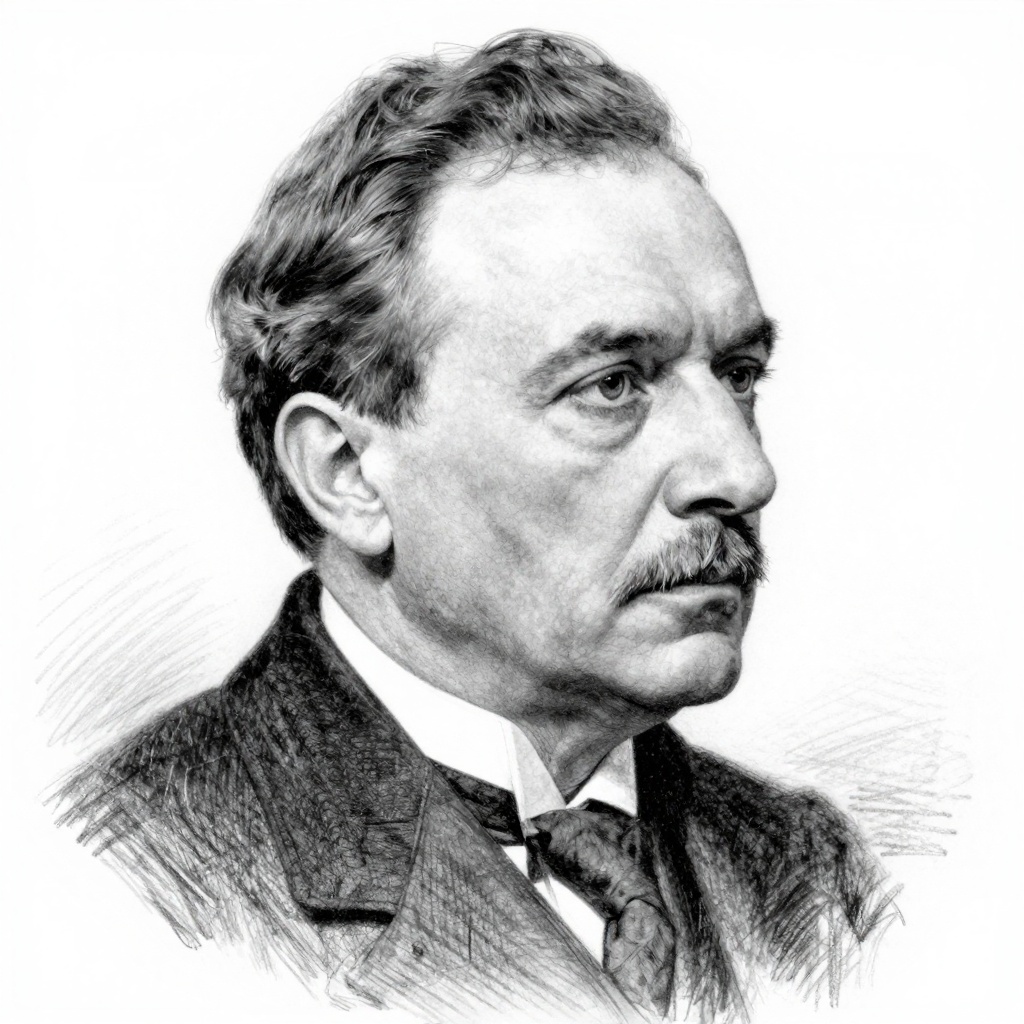
God who is eternally complete, who directs the stars, who is the master of fates, who elevates man from his lo... — Alfred Adler

God who is eternally complete, who directs the stars, who is the master of fates, who elevates man from his lowliness to Himself, who speaks from the cosmos to every single human soul, is the most brilliant manifestation of the goal of perfection.

Author: Alfred Adler

Insight: Most of us live with a quiet tension between feeling small and sensing we're meant for something bigger. Adler's pointing at something real here: we're drawn upward. Not in a way that requires you to believe any particular religious doctrine, but in how we naturally reach toward improvement, meaning, and connection to something beyond ourselves. That pull toward perfection isn't arrogance—it's built into how humans work. What makes this insight stick is that Adler understood psychology, not just theology. He saw that people function better, feel less anxious, when they're oriented toward growth and contribution. The "lowliness" he mentions isn't permanent shame; it's just where we start. We're creatures who become unmoored when we stop reaching. That's why purposeless comfort often feels hollow, and why small acts of self-improvement or helping others genuinely matter to us. The non-obvious part: Adler isn't saying perfection is achievable or even the point. He's saying the striving itself—the orientation toward something better than where you are—is what gives life coherence. You don't need to be religious to feel this. You feel it whenever you're genuinely trying to be better, whenever you're part of something larger than yourself.

The upward pull we can't ignore

God who is eternally complete, who directs the stars, who is the master of fates, who elevates man from his lowliness to Himself, who speaks from the cosmos to every single human soul, is the most brilliant manifestation of the goal of perfection.

Most of us live with a quiet tension between feeling small and sensing we're meant for something bigger. Adler's pointing at something real here: we're drawn upward. Not in a way that requires you to believe any particular religious doctrine, but in how we naturally reach toward improvement, meaning, and connection to something beyond ourselves. That pull toward perfection isn't arrogance—it's built into how humans work.

What makes this insight stick is that Adler understood psychology, not just theology. He saw that people function better, feel less anxious, when they're oriented toward growth and contribution. The "lowliness" he mentions isn't permanent shame; it's just where we start. We're creatures who become unmoored when we stop reaching. That's why purposeless comfort often feels hollow, and why small acts of self-improvement or helping others genuinely matter to us.

The non-obvious part: Adler isn't saying perfection is achievable or even the point. He's saying the striving itself—the orientation toward something better than where you are—is what gives life coherence. You don't need to be religious to feel this. You feel it whenever you're genuinely trying to be better, whenever you're part of something larger than yourself.

AI generated

Comments

Sign in to leave a comment or reply to one.

Sign in

Alfred Adler

Alfred Adler (1870–1937) was an Austrian psychiatrist and founder of the school of individual psychology. He is best known for his theories on the inferiority complex and the importance of social factors in shaping personality and behavior. Adler also introduced the concept of the "inferiority complex" and emphasized the significance of striving for personal success and societal connectedness.

Graph

Related