Quote · Added 28 February 2026
The educator must believe in the potential power of his pupil, and he must employ all his art in seeking to bring his pupil to experience this power.
Filed undereducation·empowerment·belief
Quote · Added 28 February 2026
Filed undereducation·empowerment·belief
There's something quietly radical about this idea: that teaching isn't really about pouring information into someone's head, but about convincing them they're capable of something they haven't yet tried. Most of us remember a teacher like this—not necessarily the one with the most interesting lectures, but the one who somehow made us believe we could actually do the hard thing.
The tricky part is that this belief has to be genuine. Kids and adults alike can smell false cheerleading from a mile away. When a teacher or mentor truly believes in your potential, it changes how they ask questions, what they let you struggle with, and crucially, what they don't let you give up on. They're not trying to rescue you; they're trying to draw something out that's already there.
What makes this matter now is that we're drowning in self-doubt masquerading as realism. We tell ourselves we're "just not math people" or "not creative types," and then we find people who accept that story about us. But an educator—whether that's a coach, a boss, a therapist, or a friend—who refuses that narrative and keeps reflecting back your own hidden strength? That's the kind of relationship that actually changes trajectories. It's not magic. It's just taking someone's potential seriously enough to act on it.
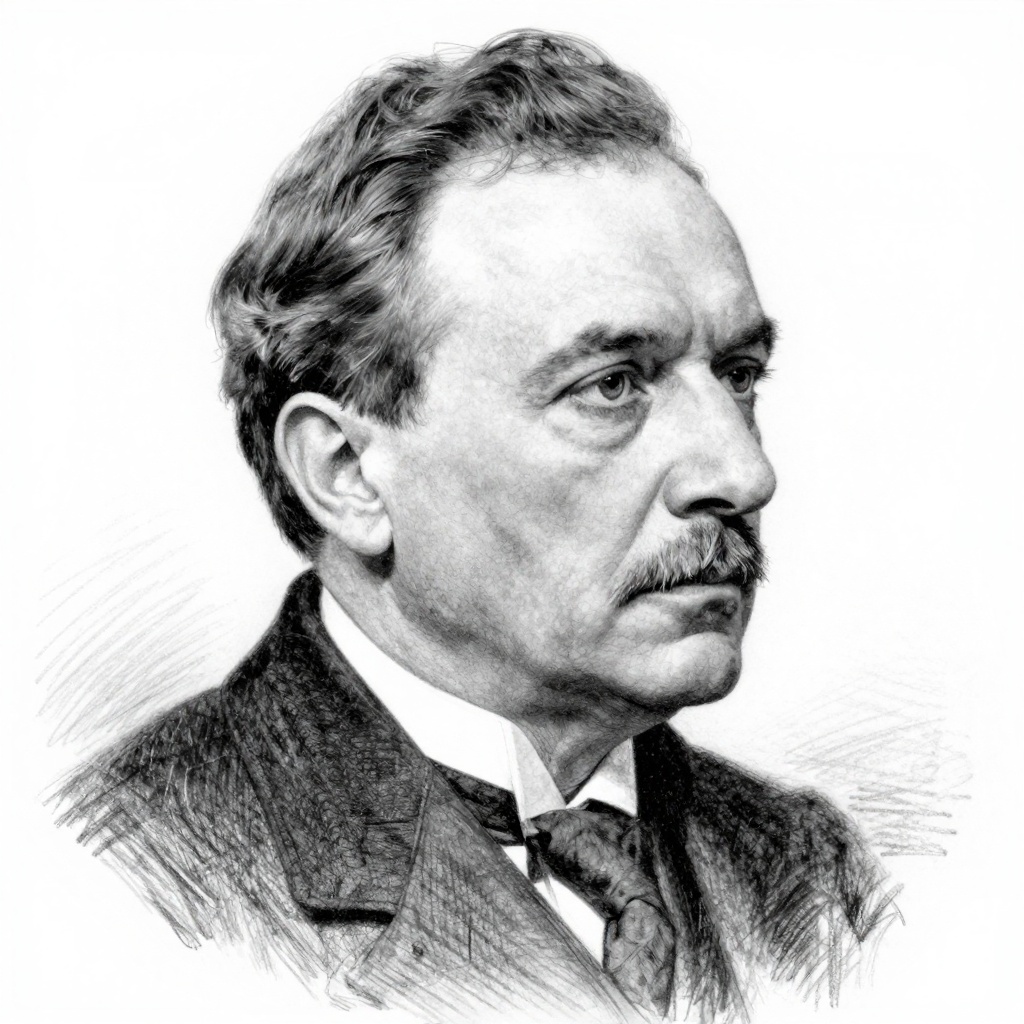
1870–1937·lived 67 years
Alfred Adler (1870–1937) was an Austrian psychiatrist and founder of the school of individual psychology. He is best known for his theories on the inferiority complex and the importance of social factors in shaping personality and behavior. Adler also introduced the concept of the "inferiority complex" and emphasized the significance of striving for personal success and societal connectedness.
Comments