Quote · Added 10 February 2026
The chief danger in life is that you may take too many precautions.
Alfred AdlerA Biography, ch. 4, Phyllis Bottome, 1939
Quote · Added 10 February 2026
We're drawn to safety like moths to a flame, which makes sense—caution has kept us alive. But there's a peculiar trap hiding in that instinct. When we optimize endlessly for not getting hurt, we often end up hurting ourselves in slower, quieter ways. The person who won't try new things because they might fail, the parent who monitors their child so closely the kid never learns to navigate risk, the worker who plays it safe and watches their career plateau—they're all taking precautions that slowly hollow out their lives.
The real insight here is that excessive caution isn't actually safety. It's stagnation wearing a sensible coat. We need bumps and setbacks to develop resilience, judgment, and the sense that we're actually living rather than just avoiding disaster. That doesn't mean recklessness—it means recognizing when your precaution has crossed from protection into prison.
The people who look back with fewest regrets usually aren't the ones who minimized risk. They're the ones who took calculated chances, stumbled, recovered, and kept moving. The chief danger isn't that you'll take a risk. It's that you'll let fear write the entire script of your life.
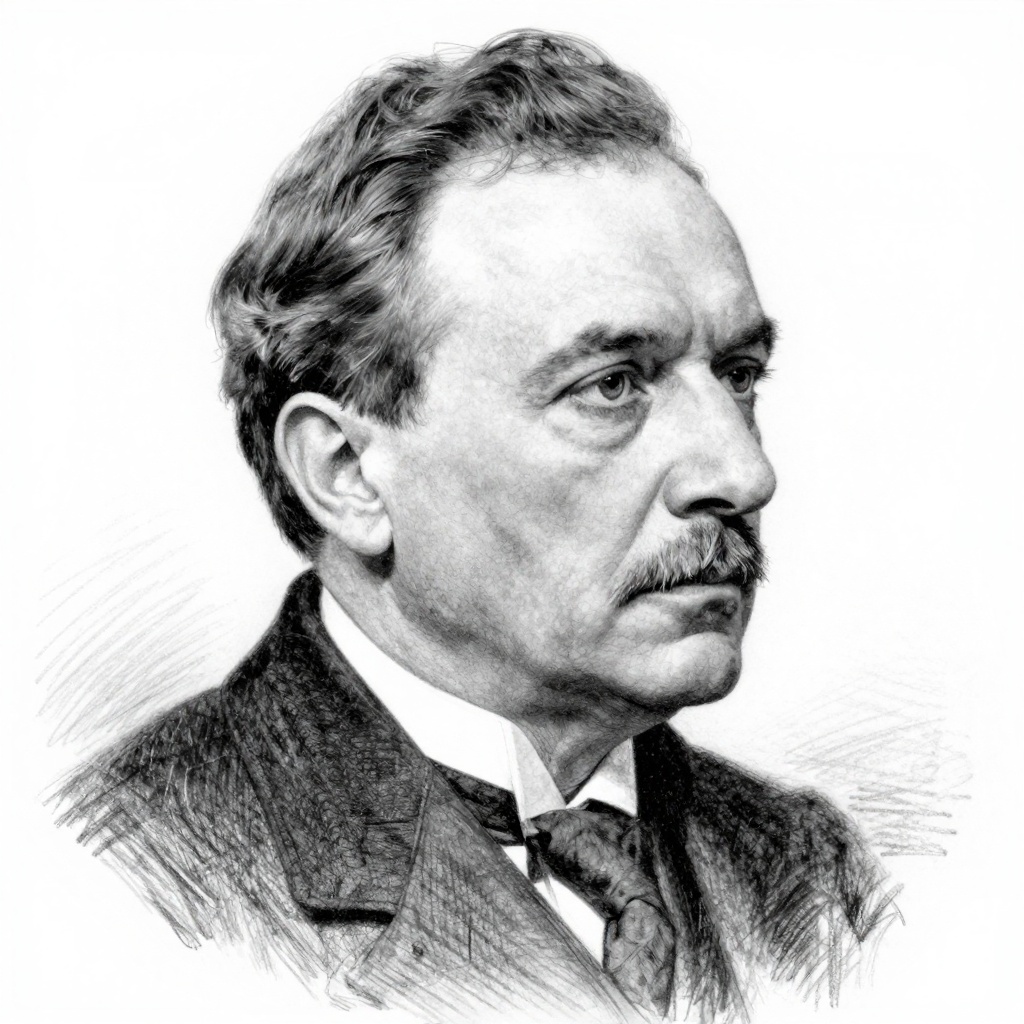
1870–1937·lived 67 years
Alfred Adler (1870–1937) was an Austrian psychiatrist and founder of the school of individual psychology. He is best known for his theories on the inferiority complex and the importance of social factors in shaping personality and behavior. Adler also introduced the concept of the "inferiority complex" and emphasized the significance of striving for personal success and societal connectedness.
Comments