If you want your children to be intelligent, read them fairy tales. If you want them to be more intelligent, r... — Albert Einstein

If you want your children to be intelligent, read them fairy tales. If you want them to be more intelligent, read them more fairy tales.

Author: Albert Einstein

Insight: There's something almost subversive about this advice, especially coming from a physicist known for equations and rigorous thinking. What Einstein understood is that fairy tales aren't escape—they're training grounds for the mind. When a child encounters a problem that seems impossible, then watches someone solve it through cleverness or courage, they're absorbing a deep lesson about how the world actually works. Real intelligence isn't just knowing facts; it's knowing how to navigate complexity, uncertainty, and stakes that feel genuine. The twist is that we often treat imagination and logic as opposites when they're actually companions. A fairy tale teaches you to hold multiple truths at once—yes, the world has rules, but there are also exceptions, loopholes, and transformations possible. That's not fantasy thinking; that's how actual creative problem-solving works. Whether your child grows up to be a scientist, an entrepreneur, or just someone who can find their way through life's twists, they'll need this flexible, storytelling mind more than they'll need any single fact they could memorize. The irony is that we've somehow convinced ourselves that reading "more" of something makes you less intelligent—more TV makes you dumber, more stories means less time for "real" learning. Einstein's point cuts right through that. Sometimes the smartest thing you can do is double down on wonder.
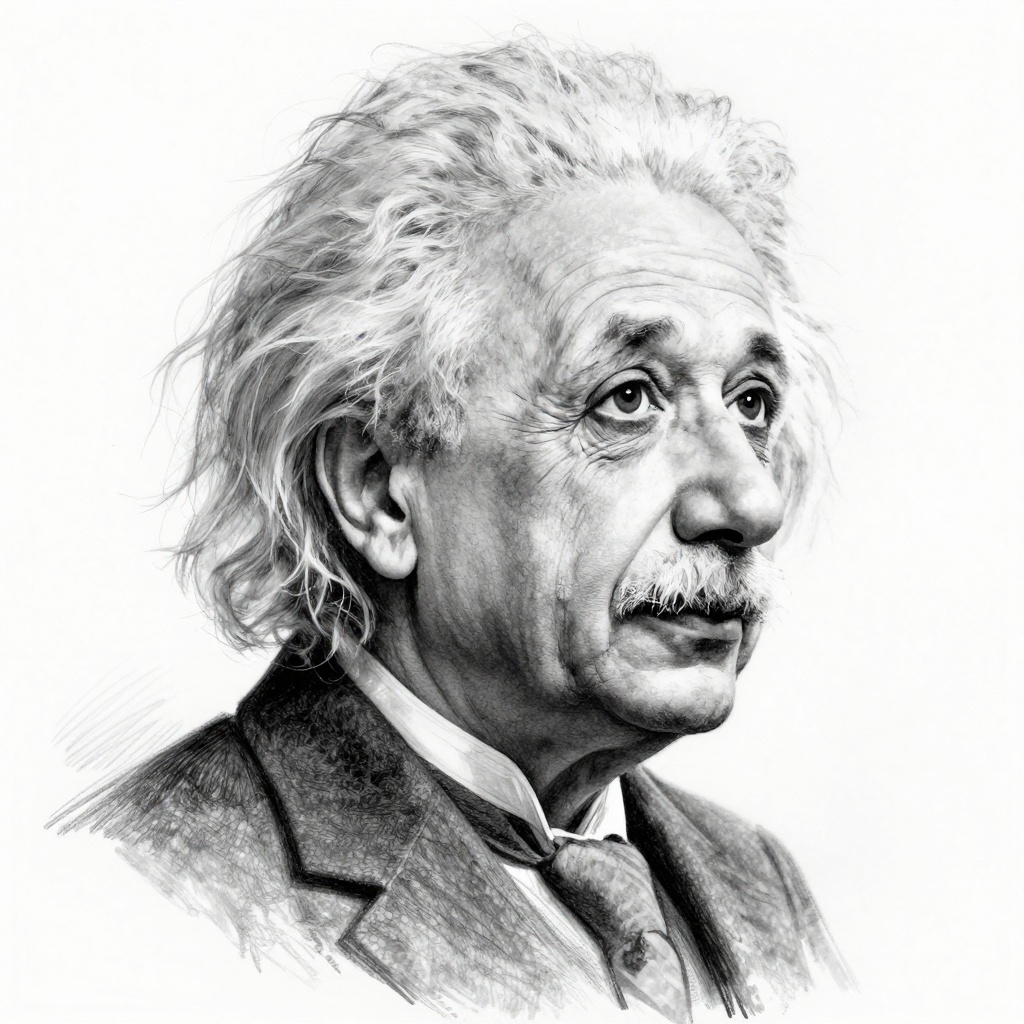
If you want your children to be intelligent, read them fairy tales. If you want them to be more intelligent, read them more fairy tales.

The Cleverness Hidden in Stories

There's something almost subversive about this advice, especially coming from a physicist known for equations and rigorous thinking. What Einstein understood is that fairy tales aren't escape—they're training grounds for the mind. When a child encounters a problem that seems impossible, then watches someone solve it through cleverness or courage, they're absorbing a deep lesson about how the world actually works. Real intelligence isn't just knowing facts; it's knowing how to navigate complexity, uncertainty, and stakes that feel genuine.

The twist is that we often treat imagination and logic as opposites when they're actually companions. A fairy tale teaches you to hold multiple truths at once—yes, the world has rules, but there are also exceptions, loopholes, and transformations possible. That's not fantasy thinking; that's how actual creative problem-solving works. Whether your child grows up to be a scientist, an entrepreneur, or just someone who can find their way through life's twists, they'll need this flexible, storytelling mind more than they'll need any single fact they could memorize.

The irony is that we've somehow convinced ourselves that reading "more" of something makes you less intelligent—more TV makes you dumber, more stories means less time for "real" learning. Einstein's point cuts right through that. Sometimes the smartest thing you can do is double down on wonder.

Comments

Sign in to leave a comment or reply to one.

Sign in

Albert Einstein

Albert Einstein was a renowned theoretical physicist known for developing the theory of relativity, one of the two pillars of modern physics. He is best known for his mass-energy equivalence formula E=mc^2 and was awarded the Nobel Prize in Physics in 1921 for his explanation of the photoelectric effect.

Graph

Related