Quote · Added 14 February 2026
Be sure you put your feet in the right place, then stand firm.
No ratings yet
Quote · Added 14 February 2026
Most of us treat decisions like we're auditioning for a part—we keep our options open, ready to pivot if something better shows up. But Lincoln's advice cuts through that. He's not saying make a choice quickly; he's saying once you've done the real work of figuring out where you actually belong, stop hedging. Stop the mental second-guessing. The firmness matters as much as the placement.
What makes this tricky in real life is that we often confuse standing firm with refusing to adapt. But Lincoln isn't talking about rigid stubbornness. He's describing the difference between a principled stance and mere anxiety. You can adjust your methods, learn new skills, and shift tactics while remaining unmoved on what fundamentally matters to you. That's not inflexibility—that's clarity.
The unexpected part is how much energy we waste by staying loose when we should be rooted. Not committing fully to a relationship, a career path, or a value system creates a weird anxiety all its own. We think we're protecting ourselves, but we're actually just prolonging the discomfort. Sometimes the relief comes not from keeping options open, but from finally planting yourself somewhere and discovering what you're actually capable of building there.
1809–1865·lived 56 years
Abraham Lincoln was the 16th President of the United States, serving from 1861 until his assassination in 1865. He is best known for leading the country through the Civil War, preserving the Union, and issuing the Emancipation Proclamation that led to the abolition of slavery in the United States.
Also by Abraham Lincoln
My best friend is a person who will give me a book I have not read.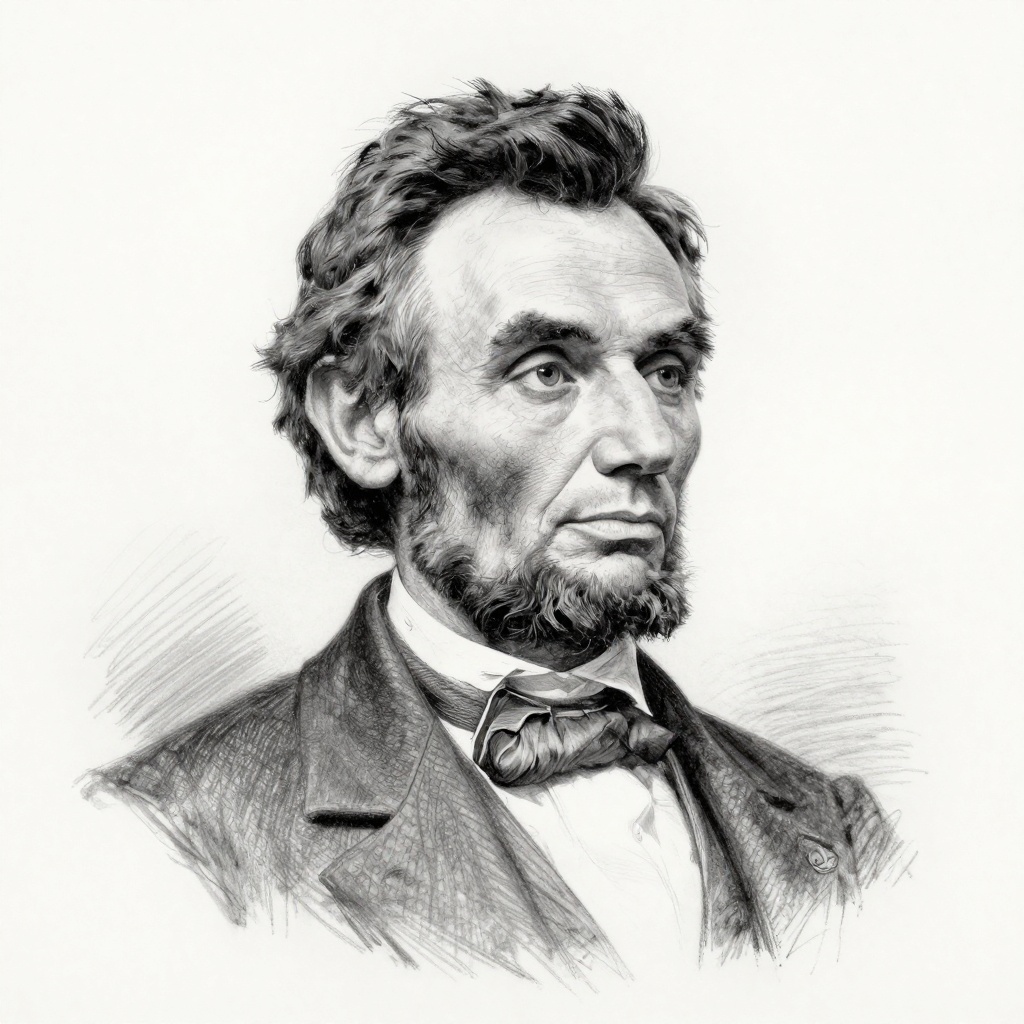
Comments