Quote · Added 3 March 2026
A capacity, and taste, for reading, gives access to whatever has already been discovered by others. It is the key, or one of the keys, to the already solved problems.
No ratings yet
Quote · Added 3 March 2026
There's something quietly radical about Lincoln pointing to reading as access to "already solved problems." We live in an age of obsessing over originality and disruption, as though every answer worth having must be brand new. But the truth is simpler: most of the major problems you'll face—how to stay motivated, how to handle failure, how to think clearly under pressure—someone has already worked through. Reading is just permission to borrow their thinking.
The twist is that this makes reading feel less like self-improvement and more like practical intelligence. You're not reading to become cultured or impressive. You're reading because when you're stuck, confused, or facing a decision, there's a decent chance someone's already mapped the territory. A business owner struggling with delegation might find it in a biography. Someone wrestling with grief finds it in essays or novels. The problem isn't new; the solution is usually just sitting on a shelf somewhere, waiting.
What makes this matter now is the noise. We're drowning in information but starving for genuine wisdom. Reading with purpose—actually seeking out what others have learned—becomes an almost defiant act. It's admitting you don't need to invent everything from scratch. That's not weakness. That's how you actually move forward.
1809–1865·lived 56 years
Abraham Lincoln was the 16th President of the United States, serving from 1861 until his assassination in 1865. He is best known for leading the country through the Civil War, preserving the Union, and issuing the Emancipation Proclamation that led to the abolition of slavery in the United States.
Also by Abraham Lincoln
My best friend is a person who will give me a book I have not read.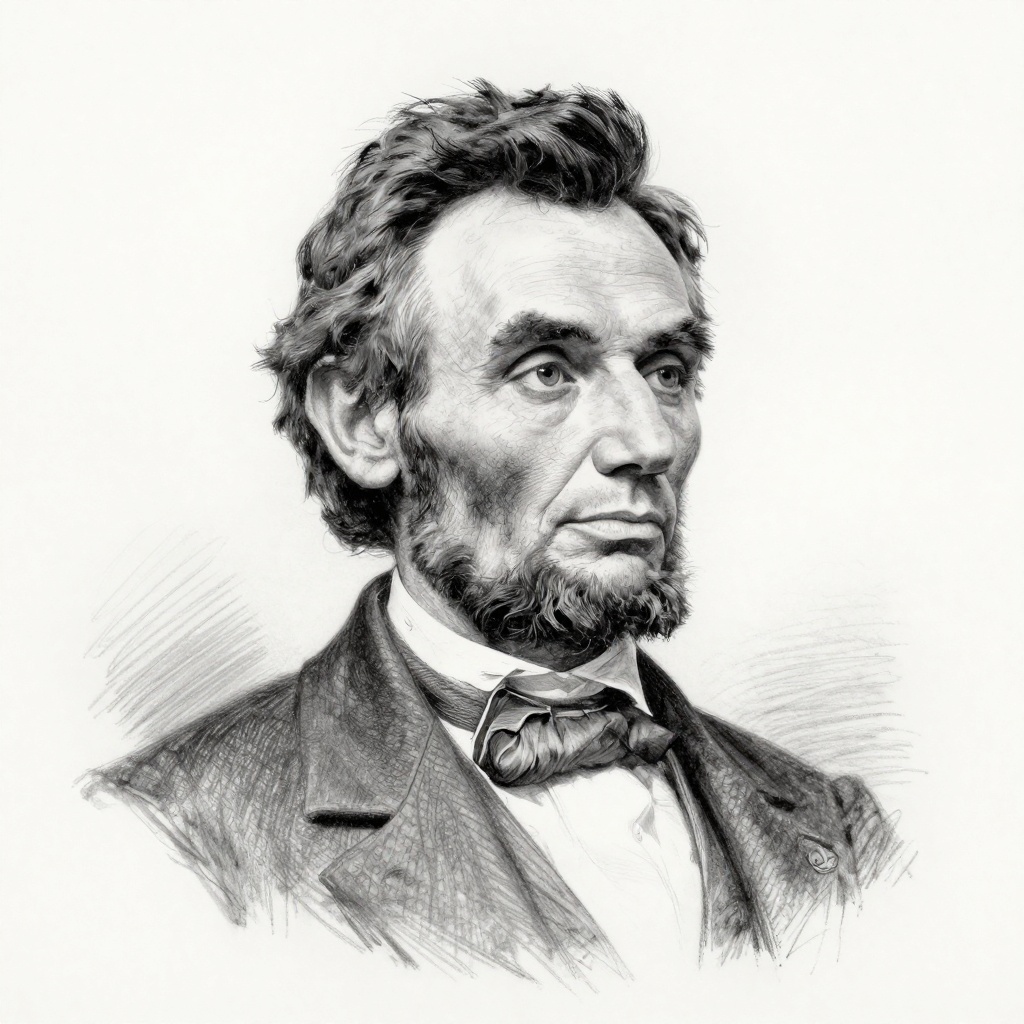
Comments