Quote · Added 24 March 2026
Nearly all men can stand adversity, but if you want to test a man’s character, give him power.
No ratings yet
Quote · Added 24 March 2026
There's a reason we're more fascinated by how people behave when they're in charge than when they're struggling. When someone's desperate or backed into a corner, their actions make sense—survival instinct kicks in, and we understand the calculation. But give that same person authority over others, a budget to control, or even just the informal influence that comes with being respected at work, and suddenly we see who they actually are when the pressure's off. It's easier to be generous, fair, and honest when you have nothing to lose. It's much harder when nobody's watching and the consequences for cutting corners disappear.
This insight cuts through a lot of modern mythology about leadership. We often assume that people fail under pressure or that adversity reveals character—and sometimes it does. But what Lincoln noticed is subtler: the person who stays decent when they're powerless might become someone entirely different once they're not. A colleague who seemed thoughtful becomes dismissive once promoted. A friend who complained about unfair treatment starts using unfair tactics once they're in a position to get away with it. The gap between who we are in weakness and who we are in strength is where real character lives—not our best self or our worst self, but the one we choose when nobody's forcing our hand.
1809–1865·lived 56 years
Abraham Lincoln was the 16th President of the United States, serving from 1861 until his assassination in 1865. He is best known for leading the country through the Civil War, preserving the Union, and issuing the Emancipation Proclamation that led to the abolition of slavery in the United States.
Also by Abraham Lincoln
My best friend is a person who will give me a book I have not read.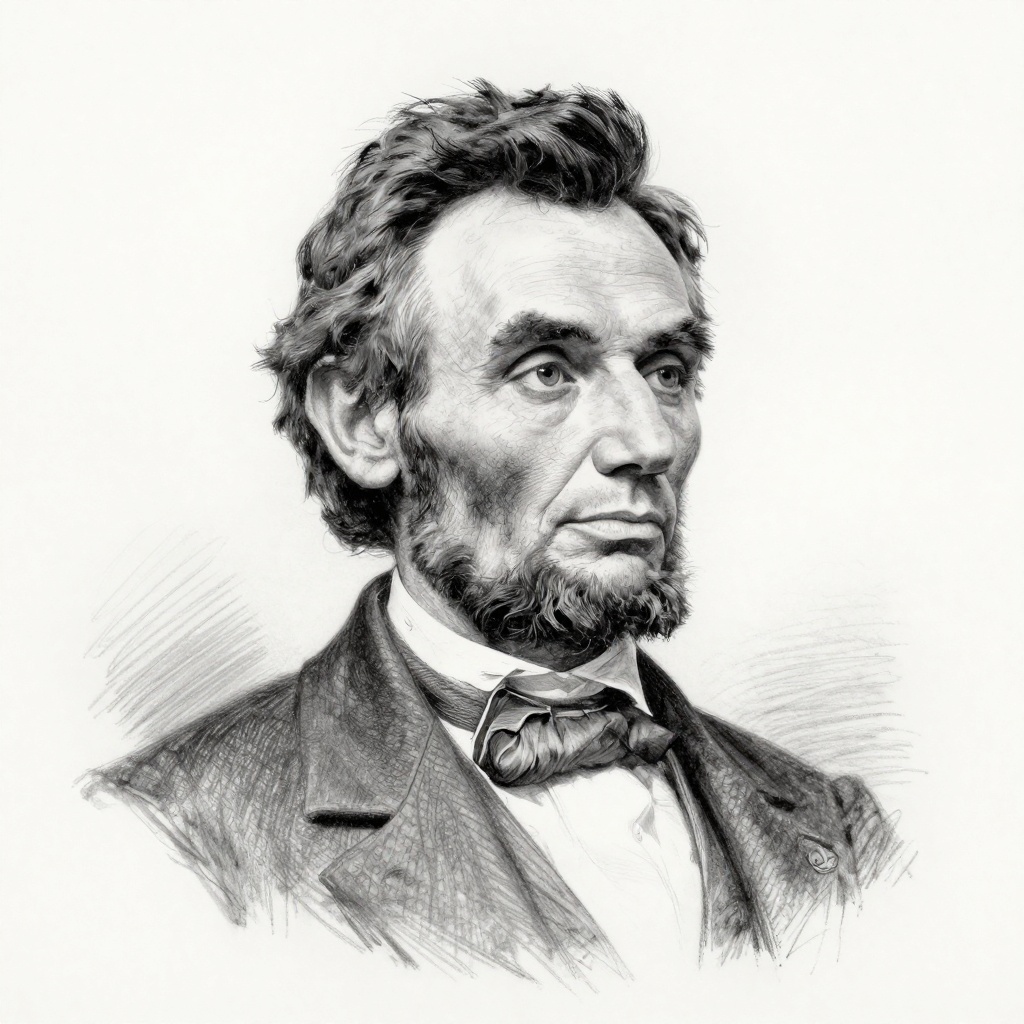
Comments