Quote · Added 26 April 2024
Anything forced is not beautiful.
XenophonThe Art of Horsemanship
No ratings yet
Filed underbeauty·authenticity·freedom
Quote · Added 26 April 2024
Filed underbeauty·authenticity·freedom
We live in a culture obsessed with optimization and forcing results. We push ourselves to wake up earlier, work harder, eat better—as if sheer willpower and discipline are the tools that build a good life. But there's something we've all felt but rarely name: the difference between a genuinely good thing and something that just feels like grinding through a checklist. When you force a habit, force a relationship, or force yourself into a career, you're not actually building something sustainable. You're building something that requires constant effort to maintain, like holding a boulder uphill.
Real beauty—whether it's in how you spend your time, how you relate to others, or what you create—has an ease to it, even if it took work to get there. A conversation that flows naturally, a skill that's become second nature, a life that feels like yours rather than something you're white-knuckling. This doesn't mean you don't work. It means you're working with your nature rather than against it, listening for what actually wants to happen instead of hammering everything into a predetermined shape.
The counterintuitive part? Sometimes the most powerful thing you can do is stop forcing and pay attention instead. What if your next move wasn't to push harder, but to notice what's already trying to emerge?
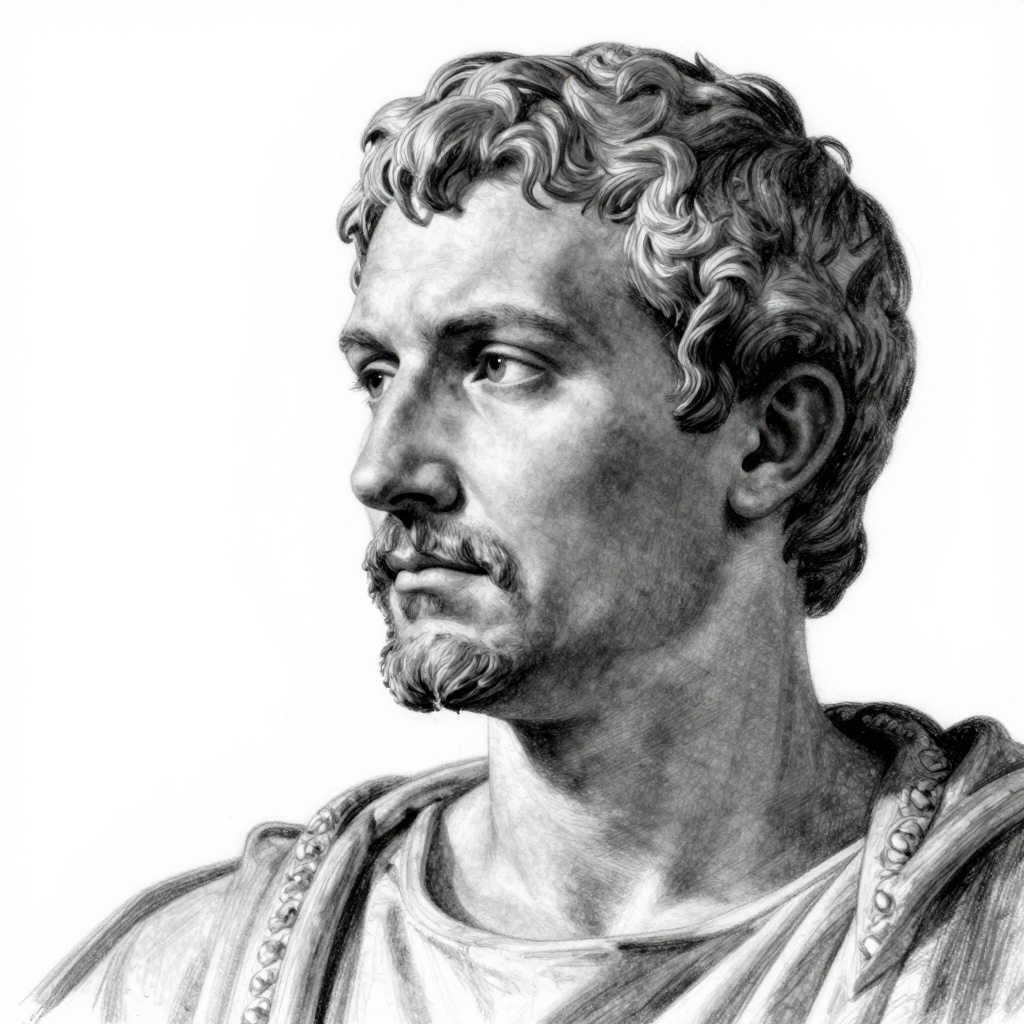
Xenophon was an ancient Greek historian, philosopher, and soldier, born around 430 BCE in Athens. He is best known for his writings on the history of his time, particularly "Anabasis," which chronicles his experiences as a mercenary in the Persian Empire, and for his works on Socratic philosophy and the art of leadership. His contributions to history and literature have made him a significant figure in classical studies.
Comments